
Beautiful Plants For Your Interior
Beautiful Plants For Your Interior
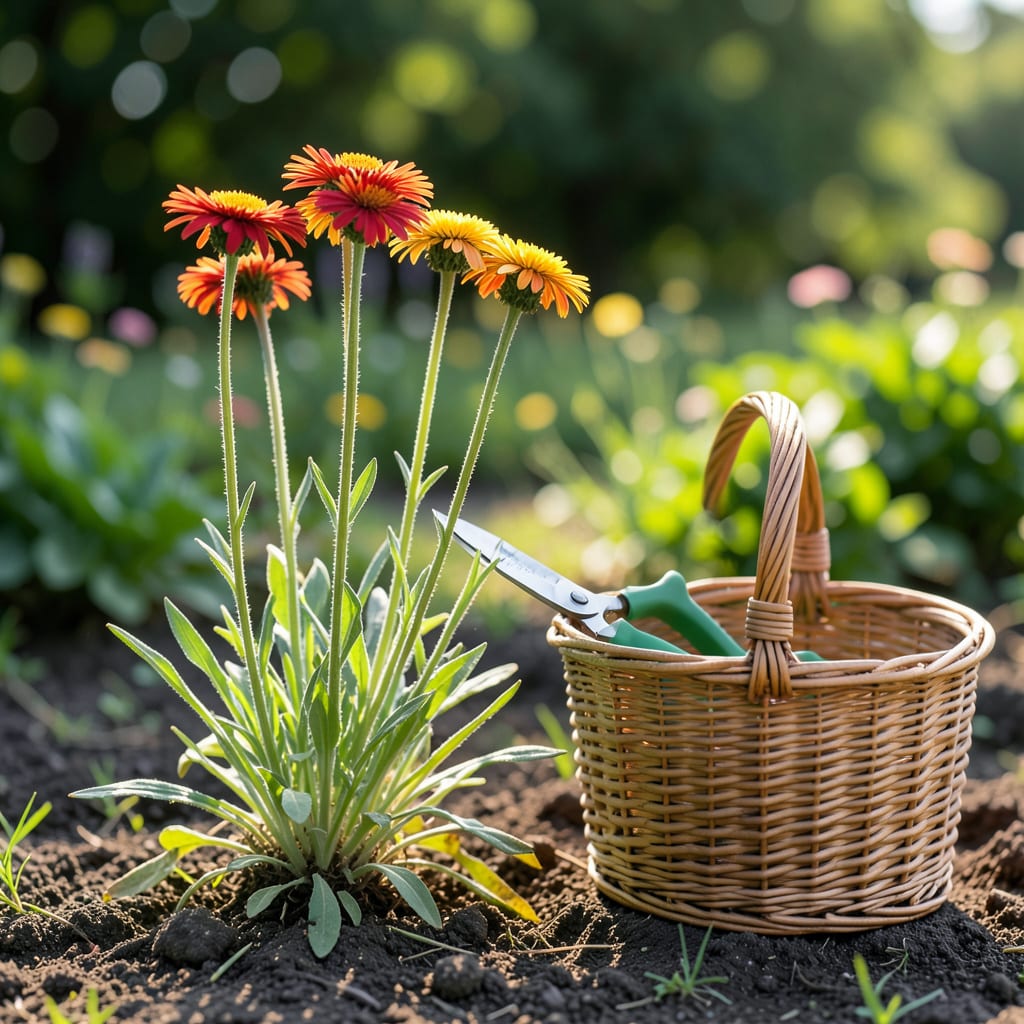
Harvesting Strawflower 🌼 at the right moment makes all the difference between lackluster blooms and vibrant, long-lasting beauty. I’ve learned the hard way that timing is everything with these cheerful flowers.
From July to September, watch for fully open, firm petals and sturdy stems. I’ll show you exactly how to spot the perfect harvest window for maximum impact.


I’ve found that strawflowers reveal their readiness through clear visual cues. Look for fully open blooms with firm, vibrant petals that haven’t started to dry or wilt. This is when they’re at peak beauty and durability.
The central disk should be prominent, and stems must be green and sturdy enough to support the flower head. These are the non-negotiable signs I check before harvesting. 🌼
| Sign | Description | Status |
|---|---|---|
| Fully open flowers | Petals completely unfurled | ✅ Ready |
| Firm petals | Vibrant and springy to touch | ✅ Ready |
| Green sturdy stems | Snaps cleanly when bent | ✅ Ready |
| Bud form | Flowers still closed | ❌ Not Ready |
| Wilted petals | Drooping or dry petals | ❌ Not Ready |
One mistake I see often is harvesting too early. If the buds are still closed, the flower won’t open properly after picking. Patience is key – wait until the bloom is completely open for best results.
Another red flag is weak or bending stems. These won’t support the flower head well and may break during handling. I always give these a gentle bend test – if it snaps cleanly, it’s ready.
The color saturation is another great indicator. Ready strawflowers have bright, uniform colors throughout the petals. Any fading or uneven coloring means it’s past its prime.
I pay special attention to the central disk. When it’s fully formed and prominent, that’s a sure sign the flower is mature. This part becomes more pronounced as the bloom reaches peak condition.
For the best results, I recommend checking your plants daily during peak season. Strawflowers can go from perfect to past-their-prime quickly, especially in hot weather. 🌿
Remember that morning harvesting often yields the best results. The flowers are fully hydrated after the cool night, making them more resilient for cutting and drying.
If you’re growing strawflowers for dried arrangements, harvest when the petals are just starting to feel slightly papery. This stage is ideal for preservation while maintaining color.
Lastly, always use clean, sharp tools for harvesting. This prevents damage to both the harvested flowers and the remaining plant, encouraging continued blooming throughout the season. ✂️
From my experience, the ideal harvest window for strawflowers is July through September, when plants are in full bloom. This is when you’ll get the most vibrant and long-lasting flowers for your arrangements.
I always aim for early morning harvesting, ideally between 7-9 AM. At this time, the flowers are fully hydrated from the cool night and haven’t yet been stressed by the day’s heat. 🌼
💡 Key Takeaway
Harvest strawflowers in cool morning hours during peak bloom season (July-Sept) for maximum vibrancy and longevity.
The temperature matters too – I avoid harvesting during hot afternoons as the heat can cause wilting. On particularly warm days, I’ll even move my harvest time up to 6 AM to beat the heat.
For seasonal timing, watch your plants closely as summer progresses. Strawflowers typically reach peak bloom 90-120 days after planting, so mark your calendar based on your planting date.
In my garden, I’ve noticed that late summer harvests often produce the most robust blooms. The plants have established strong root systems by then, resulting in larger, more colorful flowers.
If you’re growing strawflowers for dried arrangements, late August to early September is often ideal. The slightly cooler temperatures help preserve color during the drying process. ☀️
I always start with the right tools for harvesting strawflowers. A pair of sharp, clean pruners or scissors ensures clean cuts that won’t crush the stems or introduce disease to your plants.
My method is simple: I cut the stem at a 45-degree angle, about 6 inches below the flower head. This angle increases surface area for water absorption if you’re using them in fresh arrangements. ✂️
✅ Harvesting Steps
I’ve learned to harvest in the cool morning hours when the plants are most hydrated. This timing helps the remaining plant recover quickly and reduces stress on the harvested blooms.
After cutting, I immediately remove any lower leaves that would sit below the water line in a vase. This prevents bacterial growth and extends the life of your cut flowers.
For dried arrangements, I harvest when the petals feel slightly papery but colors are still vibrant. I then hang them upside down in a dark, dry place for 2-3 weeks. 🌼
Picking them while still in bud form means they won’t open properly after cutting. Always wait until blooms are fully open with firm petals for best results.
It’s not ideal. The best time is early morning (7-9 AM) when flowers are hydrated. Afternoon heat can cause wilting, reducing bloom quality and longevity.
Harvest when petals feel slightly papery but colors remain vibrant. This stage, typically in late August to September, preserves color best during drying.
Use clean, sharp pruners and cut at a 45-degree angle, 6 inches below the flower head. This method promotes water absorption and plant health.
