
Beautiful Plants For Your Interior
Beautiful Plants For Your Interior
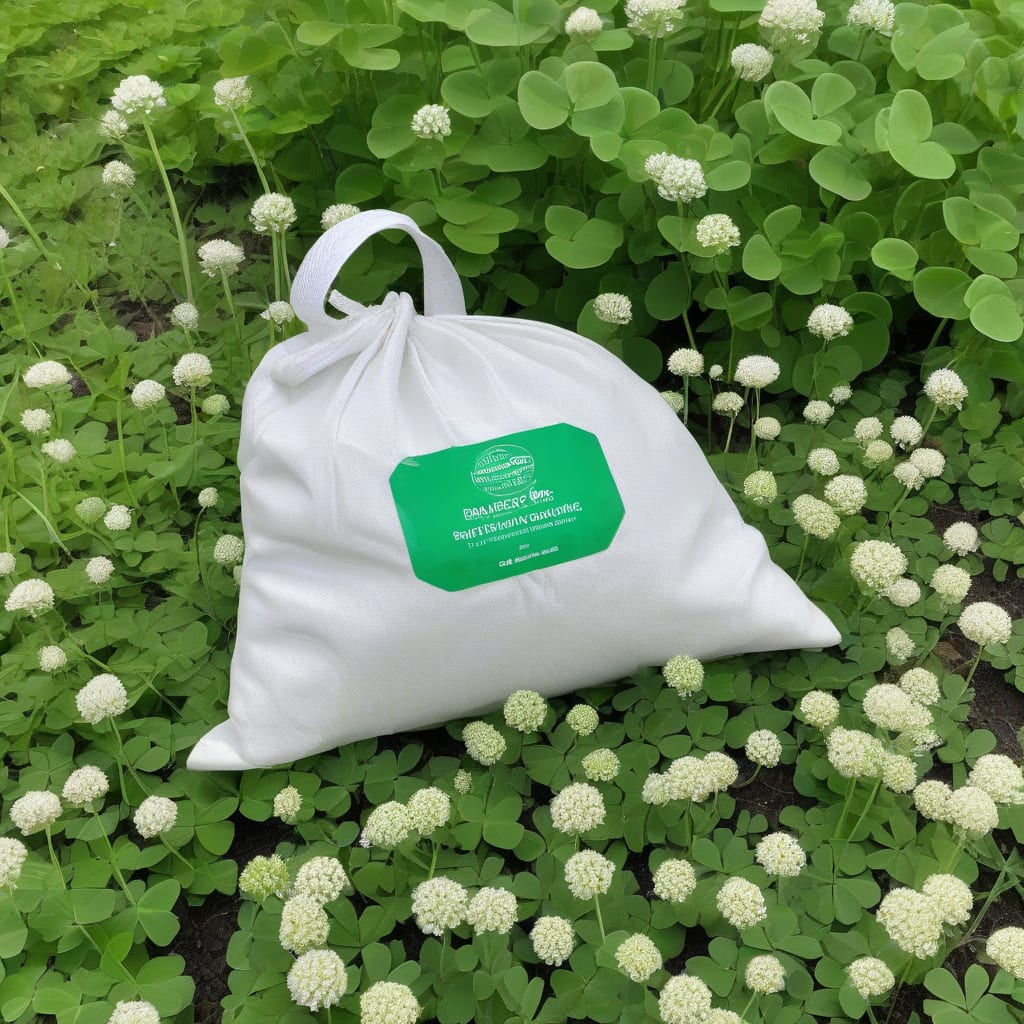
Creating a thriving clover food plot 🌼 requires more than just planting the right seeds. Timing your fertilization correctly can make all the difference in attracting wildlife and maintaining a healthy crop in your General location within USDA Zone 6.
Understanding when to fertilize is crucial for maximizing growth during the spring season. Let’s explore the optimal fertilization timing to keep your clover food plot flourishing.

Understanding the optimal fertilization timing is crucial for maintaining a healthy and thriving clover food plot 🌼. The timing of fertilization can significantly impact the growth and productivity of your clover crop.
Fertilization should be planned according to the growth cycle of the clover. Generally, clover requires fertilization during its active growth periods to ensure it receives the necessary nutrients for optimal development 🌱.
The fertilization schedule should be adjusted based on the specific growth stage of your clover. For instance, during the establishment phase, it’s essential to provide the necessary nutrients for root development and initial growth 🌱.
Soil testing plays a critical role in determining the exact fertilizer needs. By understanding your soil’s nutrient levels, you can make informed decisions about the type and amount of fertilizer needed to effectively grow and produce clover to meet the clover’s nutritional requirements and achieve optimal growth and productivity.
By understanding the optimal fertilization timing and adjusting your fertilization schedule accordingly, eksploiting the full potential of your clover food plot is possible. Proper fertilization not only enhances the health and productivity of your clover but also contributes to a more sustainable and environmentally friendly farming practice 🌱.
Regular soil testing and appropriate fertilization are key components of maintaining a healthy and productive clover food plot. By following these guidelines, you can ensure your clover receives the necessary nutrients for optimal growth and development 🌼.
Creating a fertilization plan tailored to your clover’s specific needs can significantly impact its overall health and productivity. Consider factors such as soil type, climate, and the specific variety of clover you are growing when planning your fertilization schedule 📅.
For more detailed information on fertilizing clover and other related topics, explore additional resources or consult with a gardening expert to ensure you’re providing the best care for your clover food plot 🌟.
To maximize clover growth in your food plot, it’s essential to understand how to adjust fertilization based on seasonal growth patterns, weather conditions, and soil temperature. Proper fertilization timing can significantly impact the health and productivity of your clover crop 🌼.
Fertilize your clover food plot during the early spring and late summer for optimal growth. Use a balanced fertilizer (e.g., 10-10-10 NPK) to provide essential nutrients 🌱.
The spring season is a critical period for fertilizing clover food plots. As the soil temperature rises above 40°F, apply a balanced fertilizer to promote healthy growth 🌟.
During the summer months, maintain soil fertility by applying a light feed as needed. Monitor soil moisture and adjust your fertilization schedule accordingly to prevent over-fertilization ⚠️.
In the fall, apply another round of balanced fertilizer to help your clover recover from summer stress and prepare for the next growing season 🌼.
Understanding the seasonal growth patterns of your clover is crucial for making informed fertilization decisions. By adjusting your fertilization schedule to match the needs of your crop, you can optimize growth and productivity 📅.
Soil temperature plays a significant role in determining the optimal fertilization timing. Use a soil thermometer to monitor soil temperature and adjust your fertilization schedule accordingly 🌡️.
By following these seasonal fertilization strategies, you can maximize the growth and health of your clover food plot. Proper fertilization timing, combined with regular soil testing, will help you achieve a thriving and productive crop 🌼.
For more information on fertilizing clover and other related topics, consult with a gardening expert or explore additional resources to ensure you’re providing the best care for your clover food plot 🌟.
Effective soil testing and nutrient management are crucial for maintaining a healthy and productive clover food plot. By understanding your soil’s nutrient levels, you can make informed decisions about the type and amount of fertilizer needed 🌱.
Regular soil testing helps determine the optimal fertilizer application, ensuring your clover receives the necessary nutrients for optimal growth and development 🌼.
Soil testing provides valuable insights into your soil’s pH levels and nutrient content. Based on these results, you can adjust your fertilization schedule to meet the specific needs of your clover food plot 📊.
For clover, a balanced fertilizer (e.g., 10-10-10 NPK) is typically recommended. However, the exact fertilizer requirements may vary depending on your soil test results 🌟.
By implementing a nutrient management plan tailored to your soil’s needs, you can optimize the health and productivity of your clover food plot. This approach not only enhances crop yields but also promotes sustainable farming practices 🌱.
Regular soil testing and appropriate fertilization are essential for maintaining a thriving clover food plot. By following these guidelines, you can ensure your clover receives the necessary nutrients for optimal growth and development 🌼.
For more detailed information on soil testing and nutrient management for clover food plots, consult with a gardening expert or explore additional resources to ensure you’re providing the best care for your crop 🌟.
The best times to fertilize are during early spring and late summer. These periods coincide with the active growth phases of clover, ensuring maximum nutrient uptake and utilization. Fertilizing at these times helps promote healthy growth and development.
Fertilize your clover food plot every 4-6 weeks during the growing season. The exact frequency depends on soil conditions and the type of fertilizer used. Regular fertilization maintains optimal nutrient levels for healthy clover growth.
A balanced fertilizer (e.g., 10-10-10 NPK) is typically recommended for clover. This type provides equal amounts of nitrogen, phosphorus, and potassium, supporting overall plant health and development. Soil test results may indicate the need for adjustments.
Yes, applying a balanced fertilizer in the fall can help your clover recover from summer stress and prepare for the next growing season. This fall application supports root development and enhances spring regrowth.
