
Beautiful Plants For Your Interior
Beautiful Plants For Your Interior
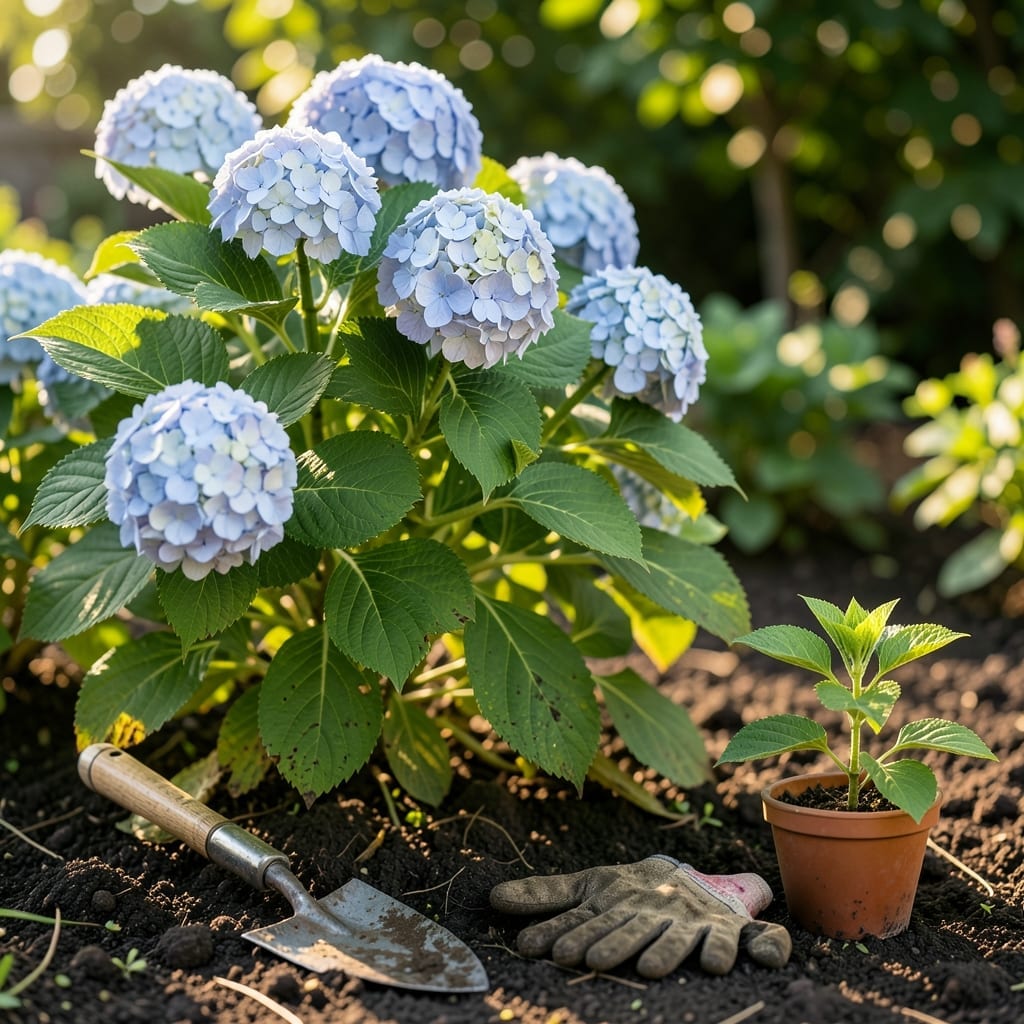
Timing is everything when it comes to growing Hydrangea 🌸—plant at the wrong moment, and you risk weak growth or lackluster blooms.
Discover the ideal seasons and conditions to cultivate these stunning shrubs for a garden bursting with color. Whether you’re in zone 6 or adjusting for your local climate, nailing the timing makes all the difference.
I’ll walk you through when to get started and how to set your Hydrangea up for success from day one. Let’s dig in.


Getting the timing right for hydrangeas means understanding your USDA zone. In zones 3-5, I always recommend spring planting after the last frost, typically April to May. This gives roots time to establish before winter.
The warmer zones 6-9 offer more flexibility. Here, you can plant in early spring or early fall—just avoid the heat of summer. Fall planting works well as the soil stays warm while air temps cool.
| Climate Zone | Best Planting Time | Soil Prep Tip |
|---|---|---|
| Zones 3-5 | Early spring after frost | Amend with compost |
| Zones 6-7 | Spring or early fall | Test soil pH first |
| Zones 8-9 | Fall or early spring | Ensure good drainage |
For zone 3-5 gardeners, the soil temperature must be at least 50°F before planting. I’ve seen hydrangeas struggle when planted too early in cold, compacted soil. Always wait until the ground is workable.
In zone 6, where I do most of my gardening, April and May are ideal. But September works too if you give plants 6 weeks before the first frost to establish roots. This timing helps avoid winter dieback.
If you’re in zone 8 or 9, fall planting is often better. The milder winters allow roots to grow before spring. Just water deeply after planting and mulch well to retain moisture.
No matter your zone, morning sun and afternoon shade are key. Hydrangeas wilt in hot, direct sunlight. I always choose spots with dappled shade for best results.
For bigleaf hydrangeas, which are common in many gardens, spring planting is non-negotiable in colder zones. Their shallow roots need time to establish before winter’s chill.
Panicle hydrangeas are more forgiving. In my experience, they handle fall planting better than bigleaf varieties, even in zone 5. Their deeper roots adapt more quickly to temperature changes.
Remember, soil preparation matters as much as timing. Work in organic matter like compost or peat moss before planting. This improves drainage and gives roots a nutrient boost.
Finally, always water deeply after planting and maintain consistent moisture. Hydrangeas are thirsty plants, especially in their first growing season. A 2-3 inch mulch layer helps retain that moisture.
With the right timing and care, your hydrangeas will reward you with vibrant blooms for years to come. 🌸
Not all hydrangeas follow the same planting calendar. I’ve found that bigleaf hydrangeas prefer spring planting in cooler zones, while panicle types handle fall better. Each variety has its own sweet spot.
The key is matching the planting window to the hydrangea’s natural growth cycle. Oakleaf hydrangeas, for example, thrive with fall planting in warmer climates. Their deep roots establish quickly in mild soil.
| Variety | Best Planting Time | Climate Preference |
|---|---|---|
| Bigleaf | Early spring | Cooler zones 4-6 |
| Panicle | Spring or fall | Zones 3-8 |
| Oakleaf | Fall preferred | Warmer zones 5-9 |
Bigleaf hydrangeas are the divas of the group—they demand spring planting in zones below 7. Their shallow roots can’t handle winter stress if planted late. I always plant mine in April for best results.
Panicle hydrangeas are the most adaptable. In my zone 6 garden, I’ve successfully planted them in both spring and fall. Their hardy nature tolerates a wider temperature range during establishment.
Oakleaf varieties love the heat. In zone 8, I plant them in September to take advantage of warm soil. Their drought tolerance makes them ideal for southern gardeners.
Remember, soil pH affects bloom color for some varieties. I test my soil before planting and amend if needed. Bigleaf hydrangeas turn blue in acidic soil and pink in alkaline conditions.
With the right timing for each variety, you’ll enjoy lush blooms year after year. 🌸