
Beautiful Plants For Your Interior
Beautiful Plants For Your Interior
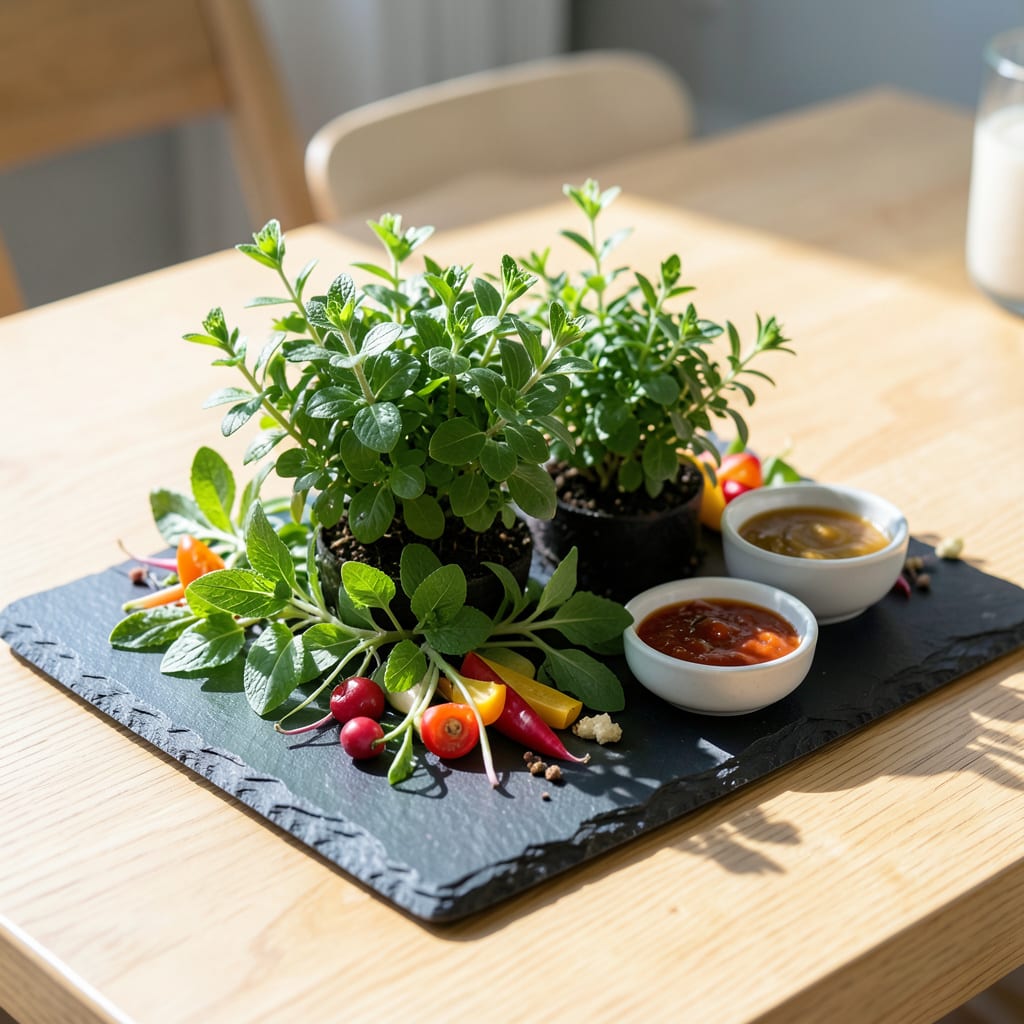
Fertilizing your Shrub 🌿 at the right time is crucial for its health and growth. In USDA Zone 6, understanding when to fertilize can make all the difference in your garden’s appearance.
I’ll guide you through the best times to fertilize your Shrub, from spring to other key seasons, ensuring you give your plant the nutrients it needs to thrive.

Fertilizing shrubs is a crucial step in maintaining their health and promoting robust growth. The timing of fertilization depends on the type of shrub and its growth cycle. Understanding when to fertilize can make a significant difference in your shrub’s development 🌿.
In general, shrubs benefit from fertilization during their active growing seasons. For most shrubs, this means fertilizing in early spring and potentially again in summer or early fall, depending on the specific needs of the plant. Let’s explore the optimal fertilization times for different types of shrubs 🔥.
The fertilization schedule for shrubs can vary based on their growth patterns. For instance, shrubs that bloom in the spring should be fertilized after they finish flowering to avoid reducing the bloom. On the other hand, shrubs that bloom in the summer or fall should be fertilized inearly spring to support new growth 🌟.
For evergreen shrubs, a slow-release fertilizer applied in early spring can provide nutrients throughout the growing season. Deciduous shrubs, on the other hand, may benefit from a balanced fertilizer applied in both spring and early fall to support their growth cycles 🔥.
It’s also important to consider the soil conditions when planning your fertilization schedule. Shrubs growing in poor soil may require more frequent fertilization, while those in rich, fertile soil may need less 🌱.
Soil testing can provide valuable insights into your shrub’s nutritional needs. By understanding the pH level and nutrient content of your soil, you can choose the right type of fertilizer and apply it at the optimal time 🌿.
In addition to timing, the method of application is crucial. Fertilizer should be spread evenly around the shrub’s drip line, avoiding direct contact with the trunk. Watering after application helps the nutrients reach the roots effectively 💧.
Fertilizing shrubs is not just about the timing; it’s also about choosing the right product. A balanced fertilizer with an appropriate NPK ratio for your shrub type will provide the necessary nutrients for healthy growth 🌻.
By following these guidelines and considering the specific needs of your shrubs, you can ensure they receive the nutrients they need to thrive throughout the year 🌼.
Regular fertilization, combined with proper watering and care, will result in healthy, vibrant shrubs that enhance the beauty of your garden 🔥.
Choosing the right fertilizer for your shrubs is crucial for their health and growth. With so many options available, it can be overwhelming to decide which one is best 🌿.
I recommend considering the type of shrub you have and its specific needs. Different shrubs require different types of fertilizer, so it’s essential to understand what your shrub needs to thrive 🔥.
Organic fertilizers are a popular choice for shrubs because they improve soil structure and promote beneficial microbes. They are also environmentally friendly, making them a great option for gardeners who want to reduce their environmental impact 🌱.
Synthetic fertilizers, on the other hand, can provide quick results but may have negative consequences if not used properly. They can cause soil degradation and harm beneficial insects, so it’s essential to use them with caution 🔥.
When choosing a fertilizer, consider the NPK ratio and the type of shrub you have. A balanced fertilizer with an NPK ratio of 10-10-10 is often a good starting point, but some shrubs may require more specialized fertilizers 🌟.
It’s also important to consider the application method when choosing a fertilizer. Some fertilizers are designed to be applied directly to the soil, while others can be used as foliar sprays 💧.
By understanding the different types of fertilizers available and their benefits, you can make an informed decision about which one is best for your shrubs 🌻.
Regular fertilization, combined with proper watering and care, will result in healthy, vibrant shrubs that enhance the beauty of your garden 🔥.
Fertilizing shrubs can be a delicate process, and making mistakes can have negative consequences on their health and growth. As someone who’s been there, I can attest that understanding what to avoid is just as important as knowing what to do 🌿.
One of the most common mistakes gardeners make is over-fertilizing. This can cause more harm than good, leading to burned roots and excessive growth that can make the shrub more susceptible to disease and pests 🔥.
Too much fertilizer can damage your shrubs. Always follow the recommended application rates and consider soil testing before applying fertilizer.
Another mistake is fertilizing at the wrong time. Fertilizing in the wrong season can disrupt the shrub’s natural growth cycle, causing more harm than good. For most shrubs, it’s best to fertilize in early spring and potentially again in early fall 🌟.
Soil preparation is also crucial before fertilizing. Failing to test the soil can lead to applying the wrong type or amount of fertilizer. Understanding your soil’s pH level and nutrient content helps you make informed decisions 🌱.
The method of application is just as important as the timing. Uneven distribution or direct contact with the trunk can cause damage. Always spread fertilizer evenly around the shrub’s drip line and water thoroughly after application 💧.
By avoiding these common mistakes, you can ensure your shrubs receive the nutrients they need to thrive. Proper fertilization, combined with regular watering and care, will result in healthy, vibrant shrubs that enhance your garden’s beauty 🔥.
Regular monitoring and adjusting your fertilization schedule as needed will help you achieve the best results for your shrubs 🌼.
Fertilize your shrubs every 4-6 weeks during the growing season, typically from early spring to early fall. The exact frequency depends on the shrub type and soil conditions. For most shrubs, a balanced fertilizer applied in early spring and again in early fall is sufficient.
The best fertilizer for shrubs depends on their specific needs. Organic fertilizers improve soil structure and promote beneficial microbes, while synthetic fertilizers provide quick results but require caution. A balanced fertilizer with an NPK ratio of 10-10-10 is often a good starting point. Consider soil testing to determine your shrub’s nutritional needs.
It’s generally recommended to avoid fertilizing shrubs during the hottest summer months to prevent stress. Instead, focus on fertilizing in early spring and early fall when the shrubs are actively growing. If necessary, a light feeding can be done in late spring or early summer.
Spread fertilizer evenly around the shrub’s drip line, avoiding direct contact with the trunk. Water thoroughly after application to help the nutrients reach the roots. The method of application is crucial to prevent damage and ensure effective fertilization.
