
Beautiful Plants For Your Interior
Beautiful Plants For Your Interior
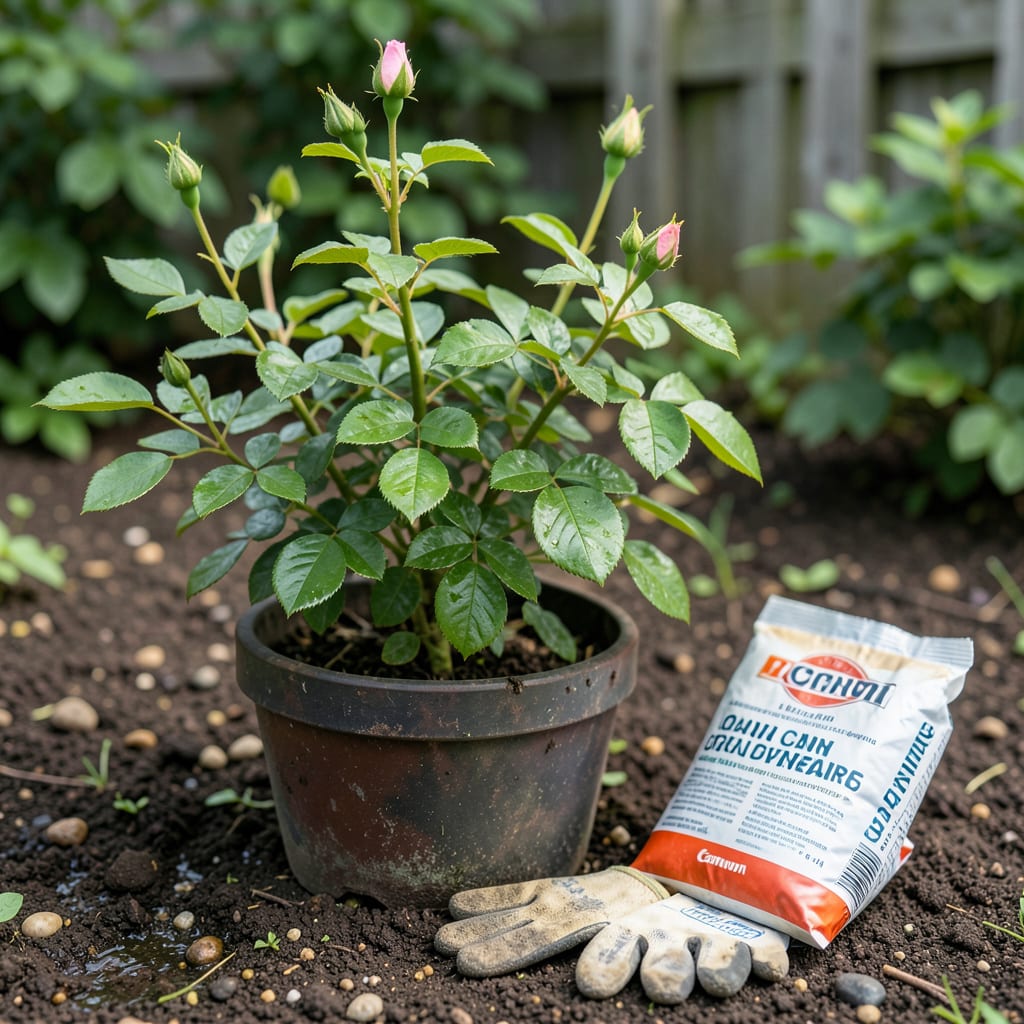
As spring awakens your garden 🌱, timing your fertilization perfectly can make all the difference between vibrant blooms and wasted nutrients. In USDA Zone 6, you’re likely getting ready to give your General Plant the nutrients it needs to thrive.
I’ll help you determine the best time to fertilize your General Plant in spring, ensuring you provide the right nutrients at the right time for a healthy summer harvest.

When it comes to fertilizing plants in spring, timing is everything. The key is to understand your plant’s growth cycle and the soil temperature 🌡️. In USDA Zone 6, the ideal time to fertilize is when the soil temperature reaches 55-65°F, typically around late March to early April.
I recommend checking the soil temperature with a thermometer to determine the best time to fertilize. Most plants benefit from fertilization when they’re actively growing 🌱. For General Plant, this means fertilizing after the last frost date, around April 15 in Zone 6.
Fertilizing at the right time ensures your plants receive the necessary nutrients for healthy growth. For General Plant, a balanced fertilizer (10-10-10 NPK) is recommended. Apply it every 4-6 weeks during the growing season.
The soil temperature is a critical factor in determining when to fertilize. Most plants begin active growth when the soil temperature reaches 55-65°F. This is usually around late March to early April in USDA Zone 6.
Understanding your plant’s growth cycle is also essential. General Plant begins its active growth phase in spring, making it the ideal time to fertilize 🌱. By fertilizing after the last frost date, you provide your plants with the necessary nutrients to thrive during the growing season.
Weather patterns can also impact fertilization timing. Avoid fertilizing during extreme weather conditions, such as heavy rainfall or drought. Instead, choose a day with mild weather to ensure the fertilizer is absorbed properly.
In addition to soil temperature and plant growth cycles, consider the type of fertilizer you’re using. A balanced fertilizer is suitable for most plants, but some may require specific formulations. Always follow the manufacturer’s instructions for application rates and timing.
By considering these factors and fertilizing at the right time, you’ll be able to provide your General Plant with the necessary nutrients for optimal growth and a healthy summer harvest 🌼.
For more specific guidance on fertilizing different plants in spring, including vegetables, flowers, and shrubs, check out our next section. We’ll explore the unique fertilization needs of various plants during this critical growing season.
To summarize, the key to successful spring fertilization is understanding your plant’s needs and timing your application correctly. By doing so, you’ll be rewarded with vibrant blooms and a bountiful harvest 🌻.
When it comes to fertilizing plants in spring, different plants have different needs 🌱. Understanding these needs is crucial for providing the right nutrients at the right time. In this section, we’ll explore the specific fertilization needs of various plants, including vegetables, flowers, and shrubs.
I recommend checking the specific fertilization needs of your plants to ensure you’re providing the best care. For example, vegetables like tomatoes and peppers require more frequent fertilization than flowers like roses 🌼.
By understanding the unique fertilization needs of your plants, you can provide them with the necessary nutrients to thrive during the growing season 🌻.
In addition to the type of fertilizer, the frequency of fertilization is also important. Most plants benefit from regular fertilization, but over-fertilization can be detrimental 🌱.
For General Plant, a balanced fertilizer (10-10-10 NPK) is recommended. Apply it every 4-6 weeks during the growing season. This will provide your plants with the necessary nutrients for healthy growth and development.
Soil conditions also play a critical role in fertilization.
By following these tips and understanding the specific fertilization needs of your plants, you’ll be able to provide them with the best care possible and enjoy a bountiful harvest 🌼.
When fertilizing plants in spring, it’s easy to make mistakes that can harm your plants 🌱. One common error is over-fertilization, which can damage your plants and the environment. I recommend following the manufacturer’s instructions for application rates and timing to avoid this mistake.
Another mistake to avoid is using the wrong type of fertilizer. Different plants have different nutrient needs, so it’s essential to choose a fertilizer that meets your plant’s specific requirements. For General Plant, a balanced fertilizer (10-10-10 NPK) is recommended.
Too much fertilizer can harm your plants and contaminate soil and water. Always follow the recommended application rates and timing.
Soil conditions are also critical when fertilizing in spring. If your soil is dry, fertilizing can cause more harm than good. I recommend checking the soil moisture before applying fertilizer and watering your plants thoroughly after fertilization 🌿.
By avoiding these common mistakes, you can ensure your plants receive the nutrients they need to thrive during the growing season 🌼.
In addition to avoiding common mistakes, it’s essential to monitor your plant’s response to fertilization. Keep an eye out for signs of nutrient deficiency or excess, such as yellowing leaves or burned roots. This will help you adjust your fertilization strategy as needed.
By being mindful of these potential pitfalls and taking a thoughtful approach to fertilization, you’ll be able to provide your General Plant with the best possible care and enjoy a healthy and productive growing season 🌻.
Most plants benefit from fertilization when the soil temperature reaches 55-65°F, typically around late March to early April in USDA Zone 6. Checking soil temperature with a thermometer helps determine the best time to fertilize.
For General Plant, a balanced fertilizer (10-10-10 NPK) is recommended every 4-6 weeks during the growing season. This frequency supports healthy growth and development. Regular fertilization ensures your plants receive necessary nutrients.
No, it’s best to avoid fertilizing during extreme weather like heavy rainfall or drought. Instead, choose a day with mild weather to ensure the fertilizer is absorbed properly. This helps prevent over-fertilization and reduces environmental impact.
Different plants have different needs: vegetables like tomatoes need balanced fertilizer (10-10-10 NPK), flowers benefit from high-phosphorus fertilizer (15-30-15 NPK), and shrubs do well with slow-release fertilizer in early spring. Understanding these needs helps you provide the right nutrients.
