
Beautiful Plants For Your Interior
Beautiful Plants For Your Interior
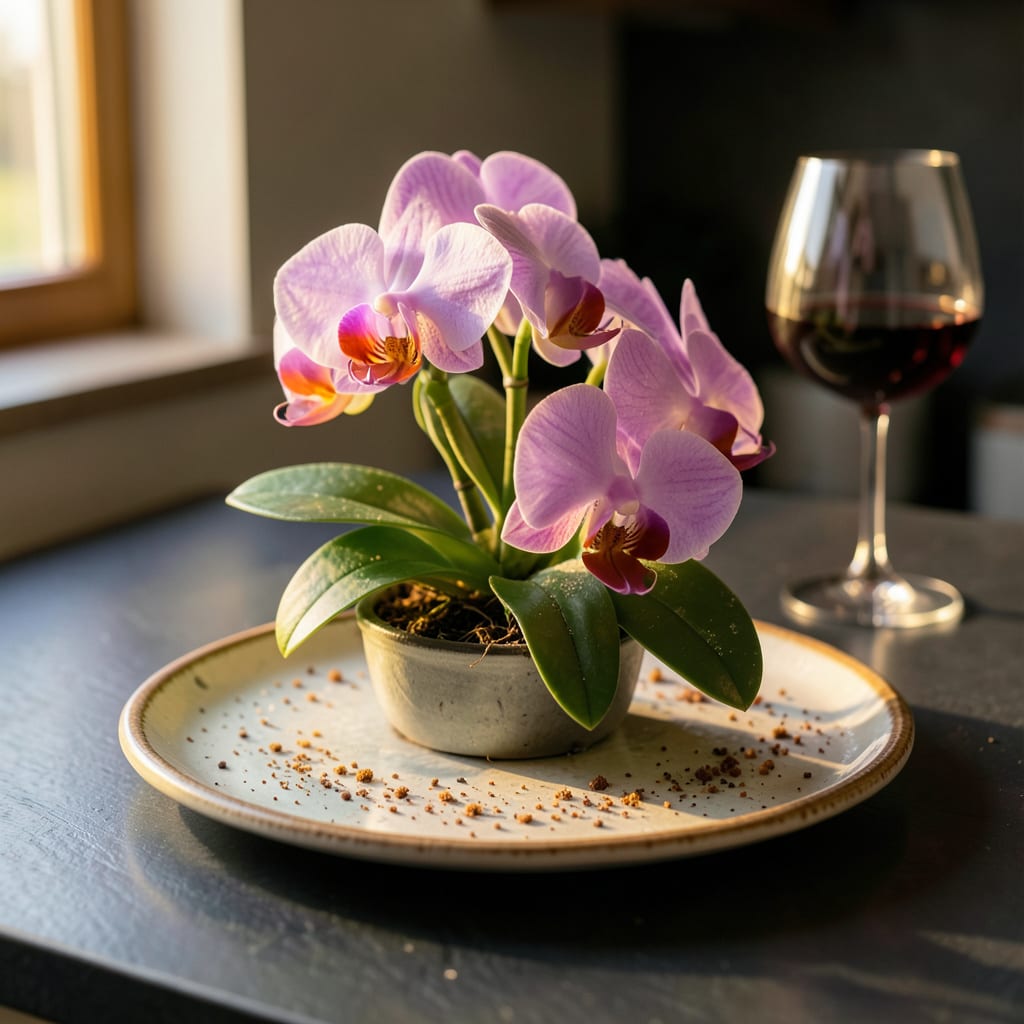
Fertilizing your Orchid 💐 while it’s blooming can be a delicate process, but with the right approach, you can enjoy longer-lasting flowers and a healthier plant. In USDA Zone 6, where Orchids can thrive with proper care, timing is everything.
I recommend using a balanced fertilizer at half strength to support your Orchid’s needs during this critical phase. By understanding when and how to fertilize, you’ll be able to keep your Orchid blooming beautifully throughout the season.

Fertilizing orchids during their blooming phase requires careful consideration to ensure the health and longevity of both the flowers and the plant. In my experience, using a balanced fertilizer at the right time makes all the difference 🌼.
I recommend starting with a 20-20-20 balanced fertilizer at 1/4 strength to provide your orchid with the necessary nutrients without causing damage. This approach helps maintain the delicate balance between promoting healthy growth and avoiding over-fertilization 🌱.
When fertilizing orchids during bloom, it’s essential to consider the plant’s overall health and growing conditions. I always check that the orchid is receiving adequate light and proper watering before applying fertilizer 💡.
The type of fertilizer you choose is critical. A balanced fertilizer provides equal parts nitrogen, phosphorus, and potassium, which supports overall plant health and encourages blooming. Some orchid enthusiasts prefer using a high-phosphate> fertilizer specifically formulated for orchids, subclasses like Phalaenopsis or Dendrobium may have different needs 🤔.
For most orchids, a weekly watering schedule works well, with fertilization occurring after watering. This helps prevent the buildup of fertilizer salts in the soil. I recommend fertilizing every other week when the orchid is in bloom, using a fertilizer at the recommended dilution 🌱.
Some key considerations when fertilizing blooming orchids include:
By following these guidelines and being mindful of your orchid’s specific needs, you can enjoy a longer blooming period and a healthier plant overall. Happy growing! 🌺
The frequency of fertilization is just as important as the type of fertilizer used. During the blooming phase, orchids generally require less frequent fertilization than during active growth periods. I typically recommend fertilizing every 2-3 weeks during bloom, using a balanced fertilizer at half the recommended strength 📆.
It’s also worth noting that different types of orchids may have varying fertilization needs. For example, Phalaenopsis orchids tend to require more frequent fertilization than Cattleya orchids. Understanding the specific needs of your orchid can help you tailor your fertilization schedule accordingly 🔍.
In addition to the right fertilizer and frequency, proper application is crucial. I always
Some orchid enthusiasts also swear by foliar feeding, which involves spraying a diluted fertilizer solution directly on the leaves. While this method can be effective, it requires careful application to avoid damaging the plant. I recommend sticking to root fertilization for most orchids, as it’s generally safer and more effective 🌱.
By combining the right fertilizer with proper application and frequency, you can support your orchid’s health during the blooming phase. This balanced approach helps ensure that your orchid continues to thrive and produce beautiful flowers 💐.
For more information on caring for orchids during different growth stages, check out our other articles on orchid care basics and post-bloom care strategies. These resources can provide additional insights into keeping your orchids healthy and thriving throughout the year 🌿.
Fertilizing orchids during their blooming phase can have both positive and negative effects on the plant’s health and flower longevity. Understanding these effects is crucial for making informed decisions about your orchid care routine 💐.
The type of fertilizer used during blooming can significantly impact the orchid’s health. A balanced fertilizer provides essential nutrients that support overall plant health, while a high-phosphate fertilizer can promote blooming and flower longevity 📈.
When fertilizing orchids during bloom, it’s essential to monitor the plant’s response to the fertilizer and adjust the application accordingly. This may involve adjusting the frequency or strength of the fertilizer to avoid over-fertilization 🔍.
I recommend keeping a close eye on your orchid’s condition and adjusting your fertilization schedule as needed. By doing so, you can maximize the benefits of fertilizing during bloom while minimizing the risks 🌟.
The frequency of fertilization during bloom is also a critical consideration. While some orchid enthusiasts recommend fertilizing every 2-3 weeks during bloom, others prefer to fertilize more or less frequently. Understanding your orchid’s specific needs is key to determining the best fertilization schedule 📆.
In addition to the type and frequency of fertilizer, proper application is also crucial. I always recommend fertilizing after watering to prevent the buildup of fertilizer salts in the potting mix 🌱.
By carefully considering the potential benefits and risks of fertilizing during bloom, you can make informed decisions about your orchid care routine and help your plant thrive 💪.
For more information on caring for orchids during different growth stages, check out our other articles on orchid care basics and post-bloom care strategies. These resources can provide additional insights into keeping your orchids healthy and thriving throughout the year 🌿.
After your orchid finishes blooming, it’s essential to adjust your care routine to support the plant’s transition to the next growth phase. I recommend reducing fertilization after blooming to help the orchid conserve energy and prepare for new growth 🌱.
After blooming, you can cut back the flower spike about an inch above the node from which it emerged. This may encourage a secondary bloom or help the plant direct its energy towards new growth.
One of the most critical aspects of post-bloom care is repotting. Orchids typically need to be repotted every 2-3 years as their potting mix breaks down over time. I recommend checking the condition of the potting mix and repotting your orchid if it’s become decomposed or is retaining too much water 🔍.
When repotting, gently remove the orchid from its pot and trim away any dead or rotting roots. Use a well-draining orchid potting mix to provide the roots with adequate aeration and moisture 💧.
It’s also essential to monitor your orchid’s watering needs after blooming. As the plant’s growth slows, it may require less frequent watering. Check the moisture level of the potting mix by inserting your finger into the mix, and adjust your watering schedule accordingly 🌿.
By following these expert tips, you can help your orchid recover from blooming and prepare for the next growth phase. With proper care and attention, your orchid will continue to thrive and produce beautiful flowers for years to come 💐.
Fertilize your orchid every 2 weeks during blooming using a balanced fertilizer at 1/4 strength. This frequency supports healthy growth without over-fertilizing. Monitor your plant’s response and adjust as needed .
A 20-20-20 balanced fertilizer is ideal for most orchids during bloom. Some orchid enthusiasts prefer a high-phosphate fertilizer to promote blooming, but be cautious as this can be too intense for some varieties. Always dilute to 1/4 strength to avoid root damage .
Yes, but reduce fertilization frequency after blooming. Orchids typically require less fertilizer during their dormant phase. Wait 1-2 weeks after blooming ends, then resume fertilizing at a reduced rate. This helps the plant conserve energy for new growth .
Signs of over-fertilization include yellowing leaves, blackened roots, and fertilizer salt buildup on the potting mix. If you notice these symptoms, flush the potting mix with water and reduce or stop fertilizing for a while. Always fertilize at the recommended dilution to avoid damage .
