
Beautiful Plants For Your Interior
Beautiful Plants For Your Interior
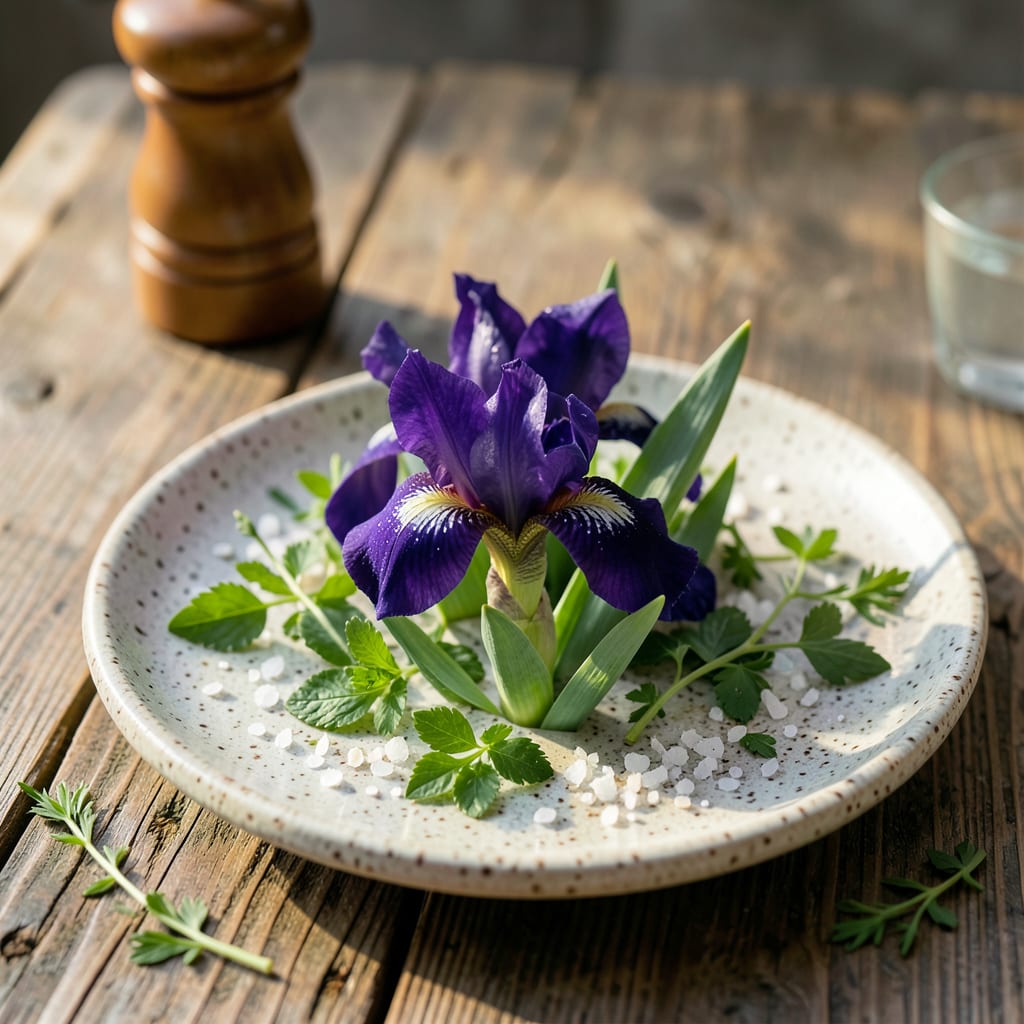
Fertilizing your Iris 💐 at the right time can make a significant difference in their blooming performance. In USDA Zone 6, I’ve found that timing is everything when it comes to promoting healthy growth and vibrant flowers.
The best time to fertilize Iris is after they’ve finished blooming, typically in late spring, and again in the fall around September or October. Using a low-nitrogen fertilizer will help promote root growth and encourage better blooms next season.

I always recommend fertilizing irises at specific times to maximize their growth and blooming potential. Understanding the ideal fertilization timing is crucial based on their growth cycles and seasonal changes. In my experience, the key is to synchronize fertilization with the plant’s natural growth patterns 🌼.
The iris growth cycle typically begins in early spring when the plants start to emerge from their winter dormancy. During this period, they require nutrients to support their growth. However, the best time to fertilize is after they’ve finished blooming, usually in late spring, and again in the fall around September or October 🌱.
Fertilizing irises after they finish blooming helps replenish the nutrients they’ve used during the flowering period. This timing supports the development of strong rhizomes, which are essential for healthy growth and abundant blooms in the following season 🌻.
In regions with cold winters, like USDA Zone 6, a fall fertilization in September or October is particularly beneficial. It provides the necessary nutrients for the irises to prepare for the winter and promote healthy root activity during the dormant season 🌿.
To get the most out of your fertilization efforts, it’s essential to use the right type of fertilizer. A low-nitrogen, high-phosphorus fertilizer is ideal for irises. This type of fertilizer promotes root growth and flowering without encouraging excessive foliage growth, which can make the plants more susceptible to disease 🔍.
When applying fertilizer, follow the manufacturer’s instructions for the correct dosage. Typically, you’ll want to use about 1 tablespoon of fertilizer per rhizome. Spread the fertilizer around the base of the plants, avoiding direct contact with the rhizomes or leaves to prevent burning 💡.
It’s also important to note that irises generally don’t require frequent fertilization. Over-fertilizing can be harmful, leading to weak growth and fewer blooms. By fertilizing at the right times and using the appropriate type and amount of fertilizer, you can support your irises’ health and encourage vibrant blooms year after year 🌼.
Monitoring your irises’ response to fertilization is key. If you notice they’re not blooming as expected or showing signs of nutrient deficiency, you may need to adjust your fertilization strategy. Consulting with local gardening experts or conducting a soil test can provide valuable insights into your irises’ specific needs 🔧.
By understanding and implementing the right fertilization timing and techniques, you can enjoy more robust and colorful iris displays in your garden. This thoughtful approach to care will reward you with beautiful blooms for years to come 💐.
In summary, fertilizing your irises after they bloom and again in the fall, using a low-nitrogen fertilizer, will provide them with the nutrients they need for optimal growth and flowering. This simple yet effective strategy can make a significant difference in the health and beauty of your iris plants 🌱.
For more detailed information on caring for irises, including tips on planting, watering, and pest management, be sure to explore additional resources. With the right care and attention, your irises will continue to thrive and bring joy to your garden 🌻.
I always recommend understanding the proper fertilization techniques for irises to maximize their blooming potential. Effective fertilization is crucial for gardeners looking to promote healthy growth and vibrant flowers 🌼.
The key to successful iris fertilization lies in using the right type of fertilizer and applying it correctly. I prefer using a low-nitrogen, high-phosphorus fertilizer (5-10-10 NPK) as it promotes root growth and flowering without encouraging excessive foliage 🌱.
When fertilizing irises, use about 1 tablespoon of fertilizer per rhizome. Spread it around the base of the plants, avoiding direct contact with the rhizomes or leaves to prevent burning.
When applying fertilizer, it’s essential to follow the manufacturer’s instructions for the correct dosage. Typically, you’ll want to use about 1 tablespoon of fertilizer per rhizome. Spread the fertilizer around the base of the plants, avoiding direct contact with the rhizomes or leaves 💡.
It’s also important to note that irises generally don’t require frequent fertilization. Over-fertilizing can be harmful, leading to weak growth and fewer blooms. By fertilizing at the right times and using the appropriate type and amount of fertilizer, you can support your irises’ health and encourage vibrant blooms year after year 🌼.
Monitoring your irises’ response to fertilization is key. If you notice they’re not blooming as expected or showing signs of nutrient deficiency, you may need to adjust your fertilization strategy. Consulting with local gardening experts or conducting a soil test can provide valuable insights into your irises’ specific needs 🔧.
By understanding and implementing the right fertilization techniques, you can enjoy more robust and colorful iris displays in your garden. This thoughtful approach to care will reward you with beautiful blooms for years to come 💐.
After fertilizing your irises, it’s essential to provide proper care to ensure they continue to thrive and produce beautiful blooms. I always recommend following up with adequate watering, as irises need consistent moisture, especially during their active growth periods 💧.
By following these care tips after fertilizing, you’ll be supporting your irises’ overall health and encouraging them to produce vibrant blooms year after year. Proper post-fertilization care is just as important as the fertilization itself, ensuring your irises remain healthy and robust 🌻.
For more detailed information on caring for irises, including tips on planting, watering, and pest management, be sure to explore additional resources. With the right care and attention, your irises will continue to thrive and bring joy to your garden 💐.
Fertilize irises after they’ve finished blooming, typically in late spring, and again in the fall around September or October. This timing supports root growth and promotes healthy blooms.
Use a low-nitrogen, high-phosphorus fertilizer (5-10-10 NPK) to promote root growth and flowering without encouraging excessive foliage. This type of fertilizer is ideal for irises.
Use about 1 tablespoon of fertilizer per rhizome. Spread it around the base of the plants, avoiding direct contact with the rhizomes or leaves to prevent burning.
No, it’s best to avoid fertilizing irises during the hot summer months when they’re dormant. Fertilizing during this time can cause unnecessary stress to the plants.
Irises generally don’t require frequent fertilization. Fertilizing after blooming and again in the fall is sufficient. Over-fertilizing can be harmful, leading to weak growth and fewer blooms.
