
Beautiful Plants For Your Interior
Beautiful Plants For Your Interior
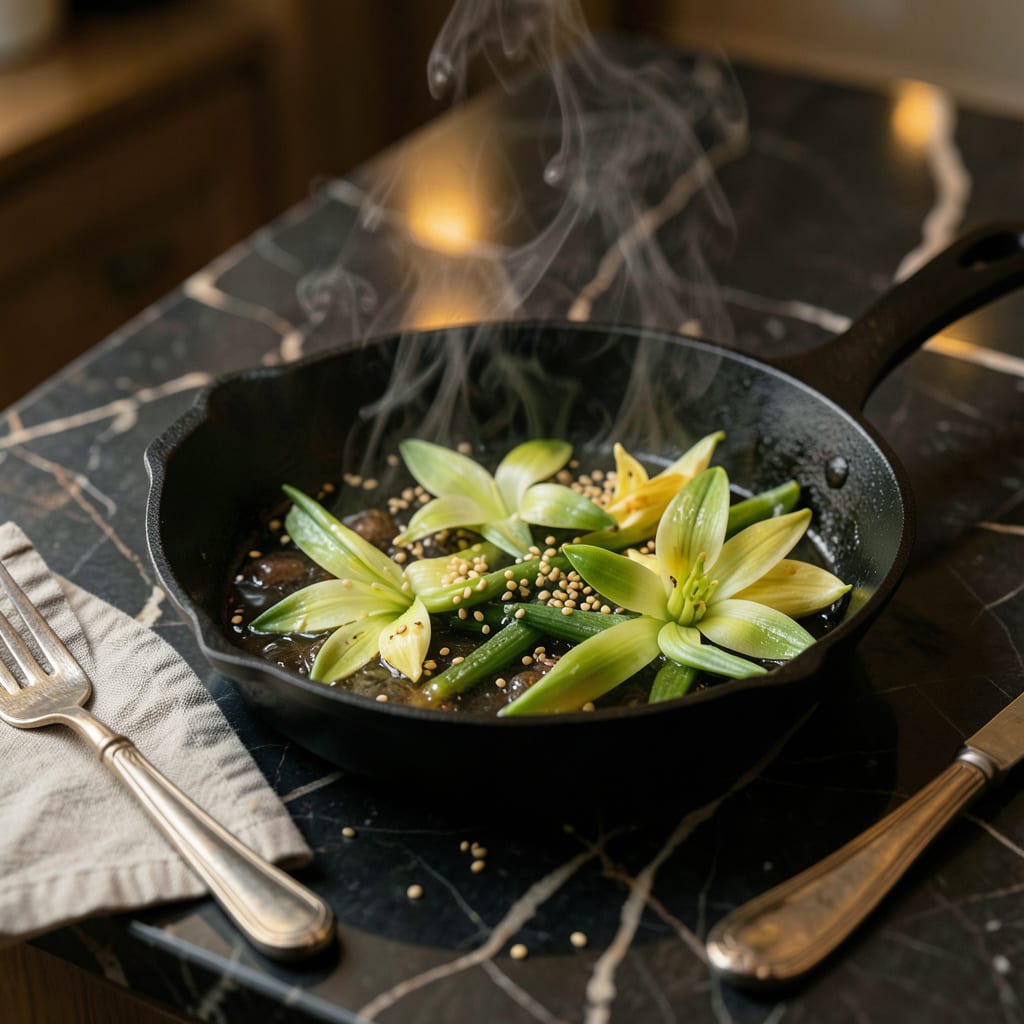
Fertilizing your Daylilies 💐 at the right time can make all the difference in their blooming performance and overall health. In USDA Zone 6, where these beautiful flowers thrive, timing is everything when it comes to giving them the nutrients they need.
I recommend fertilizing your Daylilies in early spring as they emerge from dormancy, and again in late summer after they’ve finished blooming. This schedule helps promote healthy growth and encourages vibrant blooms.

Fertilizing daylilies at the right time is crucial for their blooming performance and overall health. In USDA Zone 6, daylilies typically start growing in early spring and continue through summer. Understanding when to fertilize can make a significant difference in their growth and flowering.
I recommend fertilizing your daylilies in March or April as they emerge from dormancy, and again in September after they’ve finished blooming. This schedule helps promote healthy growth and encourages vibrant blooms 🌼.
The best time to fertilize daylilies is in early spring,using a balanced fertilizer that provides equal parts nitrogen, phosphorus, and potassium (NPK). For most gardeners, a 10-10-10 NPK ratio is ideal. This balanced formula supports overall plant health, promotes blooming, and helps build strong root systems.
I recommend applying fertilizer at the start of the growing season, typically around late March to early April, depending on your local climate and frost dates. For daylilies in USDA Zone 6, this usually means fertilizing when the soil temperature reaches around 50°F (10°C).
When applying fertilizer, it’s essential to follow the manufacturer’s instructions for the correct dosage and application method. Typically, you’ll want to sprinkle the fertilizer around the base of the plants, avoiding direct contact with the foliage. After application, water the area thoroughly to help the nutrients penetrate the soil 🌿.
In addition to spring fertilization, some gardeners also choose to fertilize their daylilies again in late summer, after the blooming period has ended. This second application can help support the plants as they prepare for the next growing season.
It’s also worth noting that over-fertilization can be harmful to daylilies. Too much fertilizer can lead to excessive foliage growth at the expense of blooms, and can even damage the roots. Therefore, it’s always better to err on the side of caution and under-fertilize rather than over-fertilize.
By following these guidelines and timing your fertilization correctly, you can help ensure that your daylilies receive the nutrients they need to thrive and produce abundant, beautiful blooms.
For more detailed information on daylily care, including fertilization tips specific to your region, consider consulting with local gardening experts or checking resources from reputable gardening organizations.
By understanding the optimal fertilization timing and using the right type of fertilizer, you can significantly improve the health and blooming performance of your daylilies. Happy gardening! 😊
Fertilizing daylilies effectively requires understanding the right type of fertilizer to use, how to apply it, and when to do so. I recommend using a balanced fertilizer with an NPK ratio of 10-10-10 for optimal results 🌼.
The best time to apply fertilizer is in early spring when the plants are emerging from dormancy, and again in late summer after they’ve finished blooming. This schedule supports healthy growth and promotes vibrant blooms.
Apply fertilizer in the early morning when the soil is still moist, and water thoroughly after application to help nutrients penetrate the soil.
When applying fertilizer, it’s essential to follow the manufacturer’s instructions for the correct dosage and application method. Typically, you’ll want to sprinkle the fertilizer around the base of the plants, avoiding direct contact with the foliage 🌿.
A balanced fertilizer provides equal parts nitrogen, phosphorus, and potassium, supporting overall plant health and promoting blooming. For daylilies, a 10-10-10 NPK ratio is ideal, as it supports foliage growth, root development, and flower production.
I recommend fertilizing your daylilies every 4-6 weeks during the growing season, which typically spans from spring to late summer. This frequency provides a consistent supply of nutrients without over-fertilizing.
Over-fertilization can be harmful to daylilies, leading to excessive foliage growth at the expense of blooms, and potentially damaging the roots. Therefore, it’s crucial to follow the recommended application rates and avoid overdoing it.
By understanding how to fertilize your daylilies effectively, you can promote healthy growth, encourage vibrant blooms, and enjoy a thriving garden. Happy gardening! 🌸
When it comes to fertilizing daylilies, timing and technique are crucial. I recommend being mindful of common mistakes that can negatively impact your plants’ health and blooming performance 🌼.
One of the most significant errors is over-fertilization. Too much fertilizer can lead to excessive foliage growth at the expense of blooms, and can even damage the roots. To avoid this, follow the manufacturer’s instructions for the correct dosage and application method.
Avoid fertilizing during extreme weather conditions like intense heat or drought, as this can cause stress to the plants.
Another mistake is fertilizing at the wrong time. Daylilies benefit from spring and fall fertilization, but fertilizing in the summer can promote weak growth, and fertilizing in the winter is unnecessary as the plants are dormant.
It’s also essential to choose the right type of fertilizer. A balanced fertilizer with an NPK ratio of 10-10-10 is ideal for daylilies, as it provides equal parts nitrogen, phosphorus, and potassium.
By being aware of these common mistakes and taking steps to avoid them, you can help ensure that your daylilies receive the nutrients they need to thrive and produce abundant, beautiful blooms 🌸.
For more detailed information on daylily care, including fertilization tips specific to your region, consider consulting with local gardening experts or checking resources from reputable gardening organizations.
A balanced fertilizer with a 10-10-10 NPK ratio is ideal for daylilies, as it supports overall plant health and promotes blooming. This type of fertilizer provides equal parts nitrogen, phosphorus, and potassium. Using a balanced fertilizer ensures that your daylilies receive the necessary nutrients for healthy growth and vibrant blooms.
I recommend fertilizing your daylilies every 4-6 weeks during the growing season, which typically spans from spring to late summer. This frequency provides a consistent supply of nutrients without over-fertilizing. Be sure to follow the manufacturer’s instructions for the correct dosage and application method.
While daylilies benefit from spring and fall fertilization, summer fertilization can promote weak growth. If you choose to fertilize in the summer, use a light application every 4-6 weeks. However, it’s generally recommended to avoid fertilizing during extreme weather conditions like intense heat or drought.
Over-fertilization can be harmful to daylilies, leading to excessive foliage growth at the expense of blooms, and potentially damaging the roots. To avoid this, follow the manufacturer’s instructions for the correct dosage and application method, and err on the side of caution by under-fertilizing rather than over-fertilizing.
