
Beautiful Plants For Your Interior
Beautiful Plants For Your Interior
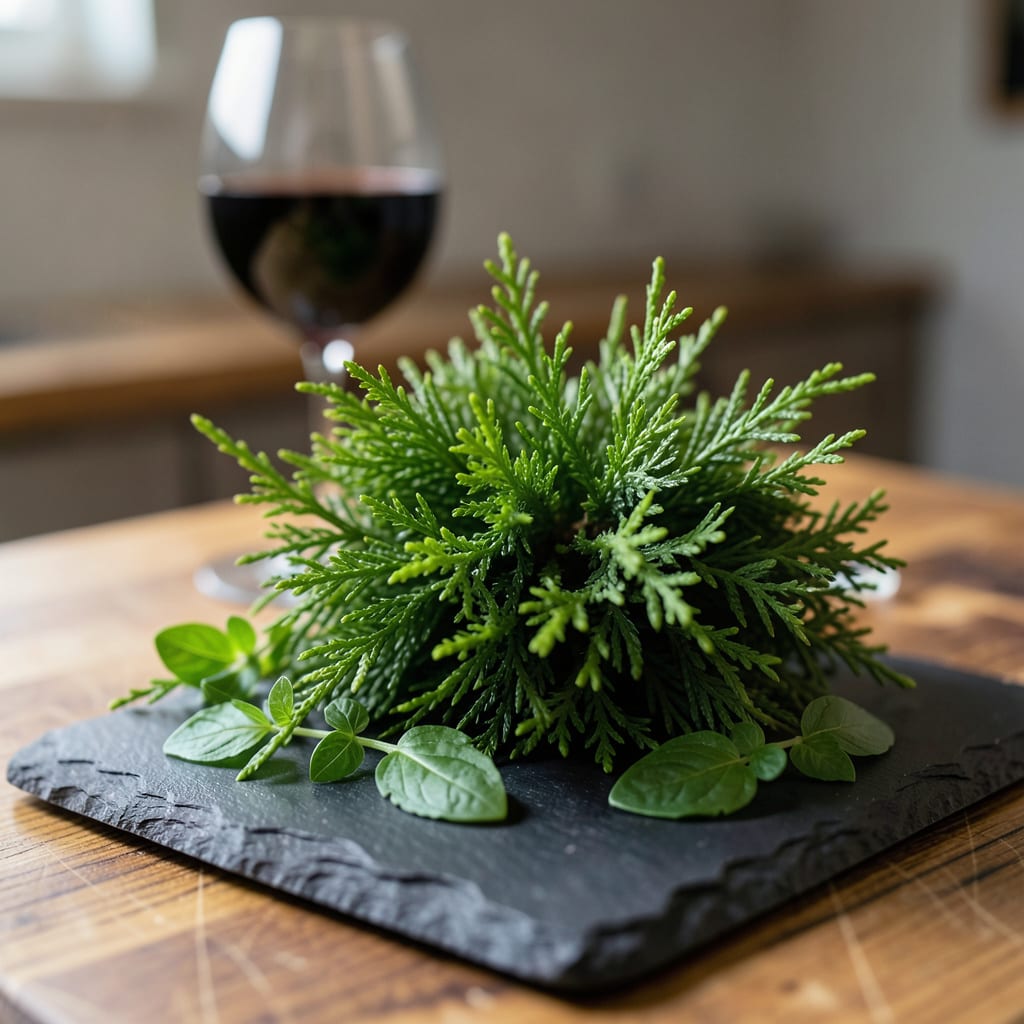
Fertilizing your Arborvitae 🌳 at the right time is crucial for maintaining its lush green color and dense growth. In USDA Zone 6, the ideal times are during Spring and Fall when the tree is actively growing.
Understanding when to fertilize can make all the difference in keeping your Arborvitae healthy and thriving. I’ll guide you through the best practices for fertilizing your Arborvitae, ensuring you get the most out of your efforts.

Fertilizing arborvitae is a crucial step in maintaining their health and promoting dense growth. The best time to fertilize depends on the tree’s growth cycle and seasonal needs. In general, arborvitae benefits from fertilization during the spring and fall seasons 🌳.
Understanding the optimal fertilization schedule can help you keep your arborvitae looking its best. I’ll outline the key considerations for fertilizing arborvitae throughout the year, ensuring you provide your trees with the necessary nutrients for optimal growth.
The spring fertilization is particularly important as it provides essential nutrients for the new growth. A balanced fertilizer with an NPK ratio of 10-10-10 is typically recommended for arborvitae 🌿.
In the fall, fertilizing helps to strengthen the tree’s roots and prepare it for the winter months. This is also a good time to apply a slow-release fertilizer to provide nutrients throughout the dormant season 🔍.
During the summer, arborvitae may benefit from light feeding to maintain their health and vigor. However, it’s essential to avoid over-fertilizing, as this can cause more harm than good ⚠️.
Winter is not typically a time for fertilizing arborvitae, as the trees are dormant and not actively growing. Any fertilization during this period can be counterproductive ❄️.
To ensure the best results, it’s crucial to monitor your arborvitae’s health and adjust your fertilization schedule accordingly. Factors such as soil quality, climate, and the tree’s overall condition can influence the optimal fertilization timing 🌟.
By following a seasonal fertilization plan, you can help maintain your arborvitae’s health and promote its growth throughout the year. Regular monitoring and adjustments will ensure you’re providing the best care for your trees 🌳.
For more specific guidance, consider consulting with a local gardening expert or conducting a soil test to determine your arborvitae’s exact nutritional needs 📊.
By understanding the best times to fertilize and the appropriate fertilization methods, you can keep your arborvitae thriving and looking its best for years to come 🌿.
Additional tips for fertilizing arborvitae include using a slow-release fertilizer and avoiding over-fertilization, which can damage the tree’s roots and cause other problems 🚨.
By taking a thoughtful and informed approach to fertilizing your arborvitae, you can enjoy a lush, healthy, and vibrant landscape 🌸.
Fertilizing arborvitae correctly is essential for maintaining their health and promoting dense growth. The right fertilizer type, application method, and dosage can make all the difference 🌿.
I recommend using a balanced fertilizer with an NPK ratio of 10-10-10 for optimal results. This type of fertilizer provides the necessary nutrients for healthy growth and development 🌸.
Fertilize your arborvitae in the early morning when the soil is still moist, and avoid fertilizing during the hottest part of the day to prevent burning the roots 🔥.
When it comes to application methods, you can choose between granular and liquid fertilizers. Granular fertilizers are slow-release and provide nutrients over an extended period, while liquid fertilizers offer a quick boost 🌱.
The dosage will depend on the specific fertilizer product and the age and size of your arborvitae. As a general rule, follow the manufacturer’s instructions and start with a small amount to avoid over-fertilizing ⚖️.
Over-fertilization can cause more harm than good, leading to burned roots and excessive growth that can make the tree more susceptible to disease and pests 🚨.
To ensure the best results, it’s also crucial to monitor your arborvitae’s health and adjust your fertilization schedule accordingly. Factors such as soil quality, climate, and the tree’s overall condition can influence the optimal fertilization timing 🌟.
By following these practical tips and using the right fertilizer, you can help maintain your arborvitae’s health and promote its growth throughout the year 🌳.
For more specific guidance, consider consulting with a local gardening expert or conducting a soil test to determine your arborvitae’s exact nutritional needs 📊.
By taking a thoughtful and informed approach to fertilizing your arborvitae, you can enjoy a lush, healthy, and vibrant landscape 🌸.
Fertilizing arborvitae trees requires careful consideration to avoid common mistakes that can harm their health and growth 🌳. I’ve seen many gardeners make these mistakes, but with the right knowledge, you can keep your arborvitae thriving.
One of the most critical mistakes is over-fertilizing, which can cause burned roots and excessive growth that makes the tree more susceptible to disease and pests 🚨.
Avoid fertilizing arborvitae during the wrong season, as this can disrupt their natural growth cycle and cause unnecessary stress 🌟.
Another mistake is using the wrong type of fertilizer. Arborvitae benefits from a balanced fertilizer with an NPK ratio of 10-10-10, which provides the necessary nutrients for healthy growth 🌿.
Soil quality is also a crucial factor to consider when fertilizing arborvitae. A soil test can help determine the tree’s exact nutritional needs, ensuring you provide the right balance of nutrients 📊.
By being aware of these common mistakes and taking steps to avoid them, you can help maintain your arborvitae’s health and promote its growth throughout the year 🌸.
Regular monitoring and adjustments to your fertilization schedule will ensure you’re providing the best care for your trees 🌳.
For more specific guidance, consider consulting with a local gardening expert who can provide personalized advice for your arborvitae 🌟.
By taking a thoughtful and informed approach to fertilizing your arborvitae, you can enjoy a lush, healthy, and vibrant landscape for years to come 🌿.
Fertilizing in the early morning is ideal when the soil is still moist. This helps prevent burning the roots and allows the tree to absorb nutrients throughout the day.
Yes, but it’s recommended to use light feeding during the summer months. This supports continued growth without causing excessive stress to the tree. Be cautious not to over-fertilize .
Fertilize your arborvitae every 4-6 weeks during the growing season, which typically includes spring and fall. This frequency provides the necessary nutrients for healthy growth .
A balanced fertilizer with an NPK ratio of 10-10-10 is recommended. This type provides the necessary nutrients for healthy growth and development, promoting dense foliage and root strength .
