
Beautiful Plants For Your Interior
Beautiful Plants For Your Interior
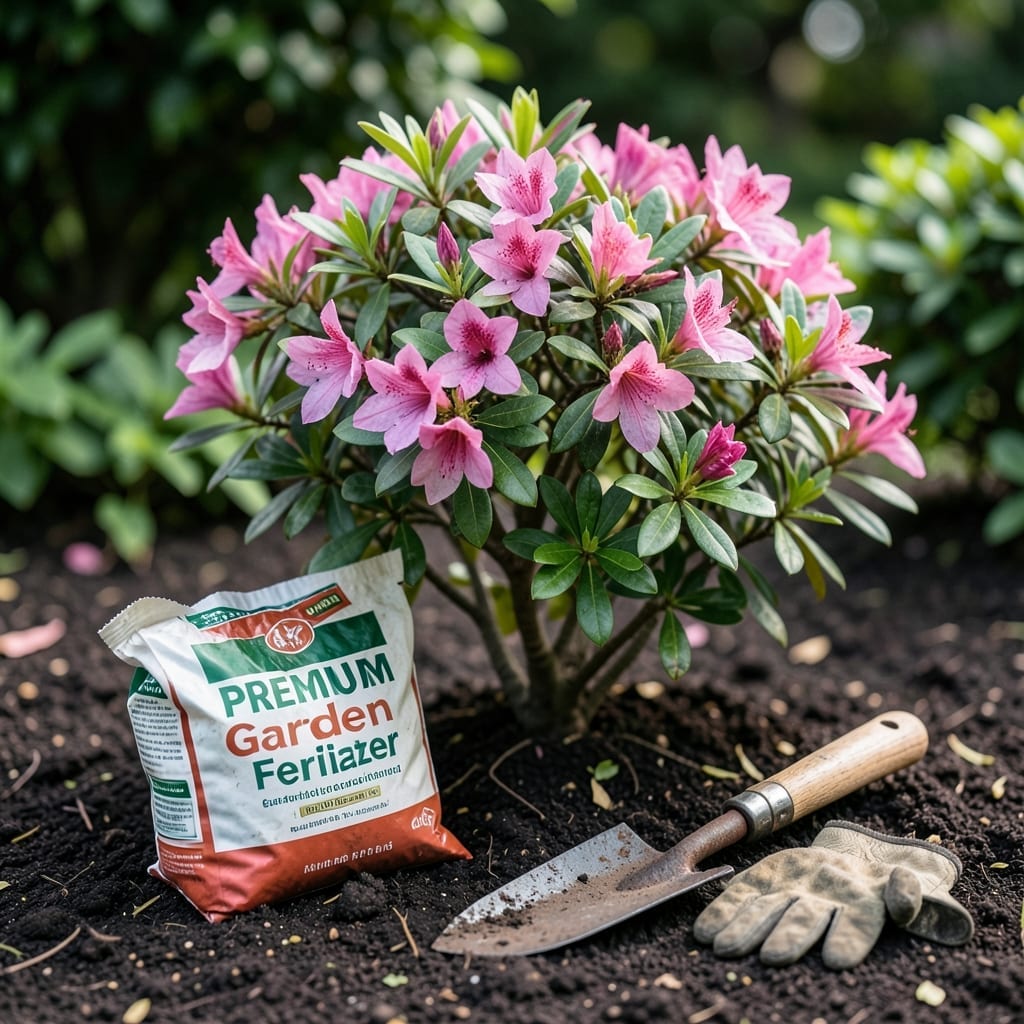
Timing is everything when it comes to fertilising the Azalea 🌸. Do it right, and you’ll be rewarded with lush foliage and explosive, vibrant blooms year after year.
I’ve seen gardeners struggle with weak growth and sparse flowers simply because they missed the optimal window. The good news? With a simple seasonal approach, you can avoid these common pitfalls.
Discover the exact schedule that will transform your Azalea from ordinary to extraordinary. Let me walk you through the most important timing secrets.
Getting the timing right with azaleas means the difference between vibrant blooms and lackluster growth. I’ve learned that these acid-loving shrubs thrive when fed at specific seasonal windows that align with their natural growth cycles.
Early spring is your first opportunity, right after the flowers fade. This is when the plant shifts energy from blooming to foliage growth, making it the perfect time to provide nutrients for the next flush of leaves and stems.
| Season | Timing | Action |
|---|---|---|
| Early Spring | After blooming | Feed with acid-loving formula |
| Late Spring | Before new growth | Light application |
| Summer | June to July | Light feed if needed |
| Fall | October | Avoid fertilising |
Avoid fertilising in late summer or fall, as this can encourage tender new growth that won’t have time to harden off before winter. I’ve seen azaleas suffer cold damage from late-season feeding, so it’s best to stop by mid-July in most climates.
The second key window is in late spring, just as new growth begins to emerge. A light application of fertilizer at this stage gives your azaleas the boost they need for healthy foliage and strong stems.
For summer care, I recommend a very light feeding in June or July only if your plants show signs of nutrient deficiency, like pale leaves. Overdoing it in the heat can burn the roots, so less is more during the hot months.
Acid-loving plants like azaleas need fertilizers formulated for their low pH requirements. Look for products labeled for azaleas, rhododendrons, or camellias, as these contain the right balance of nutrients without raising the soil pH.
If you’re unsure about your soil’s acidity, I suggest testing it first. Azaleas prefer a pH between 4.5 and 6.0. If your soil is too alkaline, amend it with elemental sulfur or peat moss before fertilising.
Remember, consistency is key. Stick to the schedule, and you’ll be rewarded with lush, colorful blooms that make your garden the envy of the neighborhood. I’ve found that marking these dates on my gardening calendar helps me stay on track year after year.
Finally, always water deeply after applying fertilizer to help distribute the nutrients and prevent root burn. This simple step can make a big difference in how well your azaleas respond to feeding. ☀️
With this seasonal approach, your azaleas will thrive, producing abundant flowers and healthy growth that keeps them looking their best. 🌸
Choosing the right fertilizer for azaleas is just as important as timing. I always recommend acid-loving plant formulas with an NPK ratio like 10-10-10 or 12-6-6 specifically designed for these shrubs.
Look for products labeled for azaleas, rhododendrons, or camellias. These contain the proper balance of nutrients and won’t alter your soil’s acidic pH, which azaleas need to thrive. 🌸
Granular fertilizers are my go-to for azaleas because they’re easy to apply and release nutrients slowly. I typically use 1 tablespoon per plant, sprinkling it around the drip line and working it lightly into the soil.
For liquid fertilizers, follow the package instructions for dilution rates. These work well for a quick nutrient boost, especially if your azaleas show signs of deficiency. I apply these every 4-6 weeks during the growing season.
Avoid alkaline-based fertilizers at all costs. These can raise your soil pH, making it harder for azaleas to absorb iron and other essential nutrients, leading to yellow leaves and poor growth.
Remember, more isn’t better when it comes to fertilizing. Over-application can burn roots and cause more harm than good. Stick to the recommended amounts and your azaleas will reward you with vibrant blooms and healthy foliage. ☀️