
Beautiful Plants For Your Interior
Beautiful Plants For Your Interior
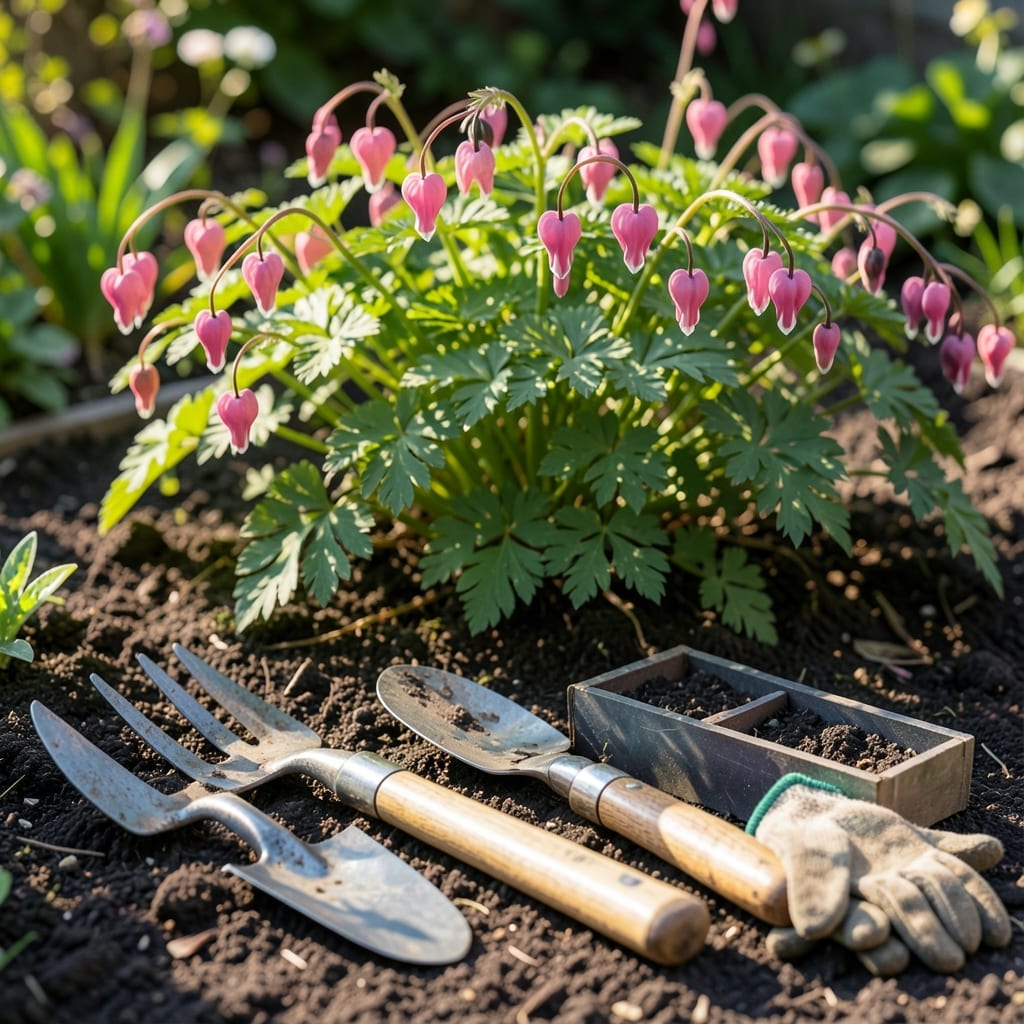
I know the struggle of watching your 💖 Bleeding Heart plants look crowded and lackluster. The solution might be simpler than you think, and it all comes down to timing.
Dividing these beauties at the right moment ensures healthier growth and more vibrant blooms. Get it wrong, and you risk stressing the plant when it’s most vulnerable.
Discover the optimal seasons and signs that your Bleeding Hearts are ready for division. This small effort makes a big difference in your garden’s success.
Timing your division of Bleeding Hearts is crucial for their health. I’ve found that early spring or fall are the best seasons to tackle this task. This timing allows the plant to recover before extreme weather hits.
In early spring, divide just as new growth begins to emerge. The plant is still dormant enough to handle the stress but ready to bounce back quickly with warmer temperatures. 🌱
| Season | Best Time | Key Benefit |
|---|---|---|
| Early Spring | Before new growth | Faster recovery |
| Fall | After foliage dies | Establishes before winter |
| Summer | Avoid | Too stressful |
Fall division works well after the foliage dies back. The cooler temperatures and moist soil help the roots establish before winter dormancy. I recommend late September or October for most zones.
Avoid dividing in summer or winter. The heat of summer stresses the plant, and winter’s cold can damage exposed roots. Stick to the dormant seasons for best results.
Look for signs like overcrowded clumps or reduced flowering. These indicate your Bleeding Hearts are ready for division. A healthy plant will bounce back quickly when divided at the right time.
In warmer climates, you might get away with dividing in late winter. But in colder regions, stick to early spring or fall to avoid frost damage to new divisions.
If you’re unsure, check the USDA zone for your area. Bleeding Hearts thrive in zones 3-9, so timing may vary slightly. When in doubt, early spring is always a safe bet. 🌿
Remember, the goal is to give your plants a stress-free transition. Dividing at the right time ensures they’ll reward you with lush foliage and abundant blooms next season.
I’ve seen firsthand how proper timing can transform a struggling plant. With these tips, your Bleeding Hearts will thrive after division. ✂️
Dividing Bleeding Hearts doesn’t have to be intimidating. I always start by gathering the right tools: a sharp spade, pruning shears, and compost for replanting. This ensures clean cuts and healthy recovery for your plants.
First, water the plant thoroughly the day before dividing. This helps reduce stress and makes it easier to lift the root ball from the soil. Early morning is the best time to begin the process. 🌱
When lifting the root clump, work carefully to avoid damaging the delicate roots. I find it helpful to loosen the soil around the plant first, creating a wide berth before sliding the spade underneath.
Once lifted, inspect the roots for natural separations. Use your hands or shears to divide the clump into sections, ensuring each has healthy roots and at least one growing point. Smaller divisions may take longer to establish.
Replant your divisions in well-draining soil enriched with compost. Space them 18-24 inches apart to allow for future growth. Water thoroughly to settle the soil and eliminate air pockets. 🌿
After dividing, keep the soil consistently moist for the first few weeks. Avoid fertilizing immediately, as this can stress the new divisions. With proper care, you’ll see new growth within a few weeks.
I’ve found that fall divisions often establish faster than spring ones, but both can be successful with the right approach. The key is patience and gentle handling throughout the process. ✂️