
Beautiful Plants For Your Interior
Beautiful Plants For Your Interior
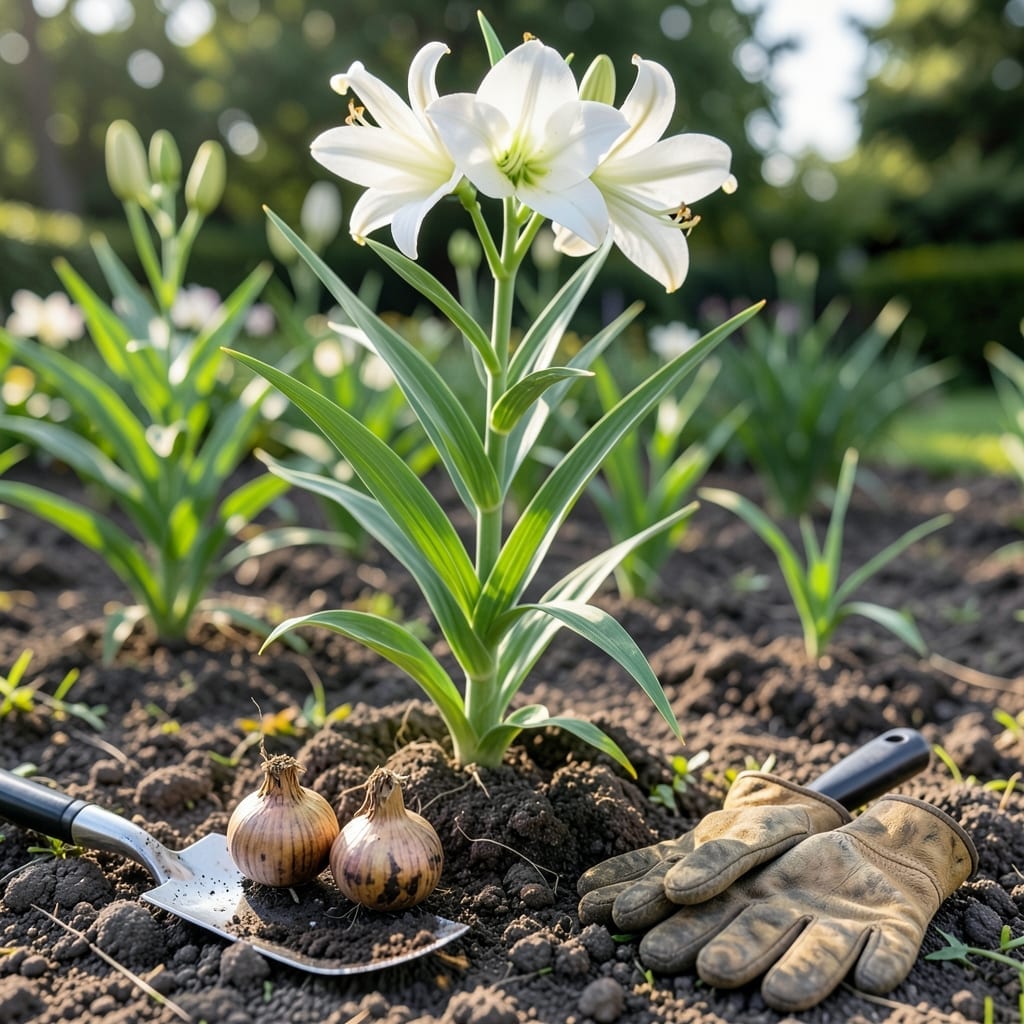
Timing is everything when planting Lily bulbs—get it right, and you’ll be rewarded with stunning, vibrant blooms year after year.
Plant at the wrong time, and you risk poor growth or no flowers at all. The 🌷 Lily thrives when bulbs go into the ground during their ideal windows.
Discover the seasonal sweet spots that ensure your Lilies establish strong roots and deliver their best performance when summer arrives.
When I plant lily bulbs at the right time, I’m setting the stage for vibrant blooms that will brighten my garden for years. The key is understanding the seasonal rhythms of these beautiful flowers.
In most regions, fall planting from October to November is ideal, giving bulbs time to establish roots before winter. This timing works especially well in USDA zones 4-6 where the ground freezes.
| Region | Ideal Planting Time | Soil Temperature |
| Cold Climates (Zones 3-5) | Early Fall (Sept-Oct) | 50-60°F |
| Moderate Climates (Zones 6-7) | Fall or Early Spring (Oct-Nov or Mar-Apr) | 55-65°F |
| Warm Climates (Zones 8-10) | Late Fall (Nov-Dec) | 60-70°F |
For spring planting, I find that March to April works best in areas with mild winters. This gives bulbs enough time to establish before the heat of summer arrives.
The soil temperature is crucial – aim for 50-60°F at planting depth. I use a soil thermometer to check this, as it’s more reliable than air temperature.
In warmer zones like 8-10, I’ve learned to plant in late fall when temperatures start cooling. The bulbs need this cooling period to trigger spring blooming.
For container planting, I can be more flexible with timing. I often start bulbs in pots in early spring and then transplant them to the garden later.
Remember that Asiatic lilies and Oriental lilies have slightly different needs. I plant Asiatics a bit earlier as they’re more cold-hardy.
No matter when you plant, ensure the bulbs get 6-8 weeks in the ground before the first hard frost. This root establishment period is non-negotiable for healthy growth.
I always mark my planting dates on a calendar. This helps me track which bulbs are established and when to expect those gorgeous blooms to appear.
With proper timing, my lily bulbs reward me with strong stems and abundant flowers that become the highlight of my summer garden 🌷
I always start by selecting the perfect planting site for my lily bulbs. They need full sun and well-draining soil to thrive. A spot with 6+ hours of direct sunlight works best.
Before planting, I prepare the soil by mixing in compost or aged manure. This improves drainage and provides essential nutrients that help bulbs establish quickly.
I’ve found that planting depth is crucial. Too shallow, and bulbs may not establish properly. Too deep, and they might struggle to emerge in spring.
For clay soils, I add sand or perlite to improve drainage. Lilies hate soggy roots, so this step prevents bulb rot in heavy soils.
After planting, I water the bulbs deeply once to settle the soil. Then I water weekly unless rain provides enough moisture.
In my experience, mulching with 2-3 inches of organic material helps maintain consistent soil temperature and moisture levels.
Following these steps ensures my lily bulbs get the best start possible, leading to healthy growth and abundant blooms each year 🌷