
Beautiful Plants For Your Interior
Beautiful Plants For Your Interior
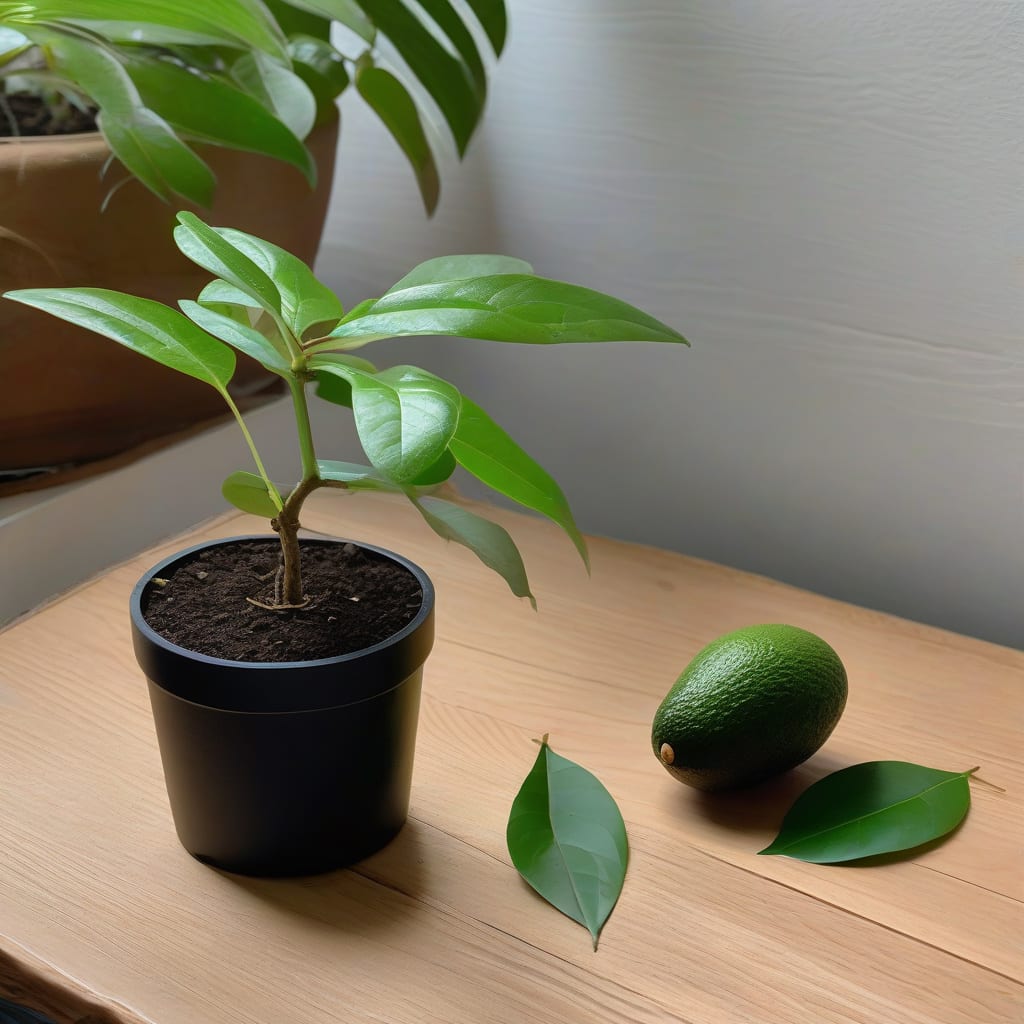
Successfully transplanting your Avocado 🥑 plant from water to soil is a critical step in its growth journey. Timing is everything – transplant too early, and your plant might struggle.
So, when should you make the move? Let’s explore the key factors to consider and optimal planting times to give your Avocado plant the best start in its new home.
Ideal Time
Also Good
Successfully transplanting your Avocado 🥑 plant from water to soil requires careful observation of its development. One of the most critical factors is the plant’s root system. A well-developed root system is essential for the plant’s survival in soil 🌱.
To determine if your Avocado plant is ready for soil, check for these key indicators: root length, leaf development, and stem strength. Let’s examine each of these factors in detail 🔍.
When checking your Avocado plant’s roots, gently remove it from the water and inspect the root length. If the roots are tangled or circling, it’s a good sign that the plant is ready for soil 🌿.
The number of leaves is another crucial indicator. Avocado plants typically develop 2-3 sets of leaves before they’re ready to be transplanted. Ensure the leaves are healthy and free from damage 🌸.
Stem strength is equally important. A sturdy stem indicates that the plant can support itself in soil. Check if the stem can withstand gentle tugging without breaking 💪.
In your introduction, you mentioned that transplanting is a critical step in the Avocado plant’s growth. Let’s explore some additional factors to consider when deciding to transplant 🌱.
Check your Avocado plant’s roots regularly to determine the best time for transplanting. A well-developed root system is key to a successful transplant 🌟.
Transplanting your Avocado plant at the right time ensures a smooth transition and promotes healthy growth. Keep monitoring your plant’s development and be prepared to transplant when the time is right 📆.
The ideal time to transplant your Avocado plant is when it has developed a robust root system and has 2-3 sets of leaves. This indicates that the plant is ready to thrive in soil 🌱.
By paying attention to these signs and being patient, you’ll give your Avocado plant the best chance to succeed in its new environment 🌿.
For more information on caring for your Avocado plant after transplanting, check out our guide on Avocado plant care for expert tips and advice 🌟.
Transplanting your Avocado 🥑 plant to soil requires careful preparation and attention to detail. Before making the move, ensure you have the right materials and follow a step-by-step approach to minimize shock and promote healthy growth 🌱.
First, select a suitable container with good drainage holes to prevent waterlogged soil. A container that is at least 6-8 inches deep is recommended to accommodate the developing root system 🌿.
Use a well-draining potting mix specifically designed for trees. Avoid using regular garden soil as it can compact and prevent proper root growth 🌿.
Gently remove the plant from its water container, taking care not to damage the roots. If roots are circling, gently tease them apart to encourage outward growth 🌸.
Plant the Avocado tree at the same depth as it was in the water. Make sure the soil level is below the container’s rim to allow for watering 💧.
Water the plant thoroughly after transplanting and keep the soil consistently moist but not waterlogged. Monitor the plant’s response and adjust watering as needed 💦.
By following these step-by-step guidelines, you can ensure a successful transplant and give your Avocado plant the best start in its new soil environment 🌱.
For more detailed information on Avocado plant care after transplanting, refer to our comprehensive guide on Avocado plant care for additional tips and expert advice 🌟.
Keep in mind that patience is key when transplanting. Monitor your plant’s progress and be prepared to make adjustments as necessary to ensure its continued health and growth 📈.
With proper care and attention, your Avocado plant will thrive in its new soil home, eventually rewarding you with delicious fruit and lush foliage 🌿.
Transplanting an Avocado 🥑 plant can be a delicate process, and several common mistakes can hinder its success. Being aware of these potential pitfalls can help you avoid them and ensure a healthy transition 🌱.
One of the most common mistakes is damaging the roots during the transplant process. Handle the roots with care to avoid causing unnecessary stress to the plant 🌿.
Soil compaction is another issue to watch out for. Avoid packing the soil too tightly around the roots, as this can prevent proper drainage and root growth. Make sure the soil is well-draining and loosely packed 🌸.
Overwatering is a frequent mistake that can lead to root rot and other problems. Water your Avocado plant thoroughly after transplanting, but then allow the top inch of soil to dry out before watering again 💧.
Incorrect soil depth can also cause issues. Plant your Avocado tree at the same depth as it was in the water or previous container. Planting too deep can lead to stem rot, while planting too shallow can expose the roots 🌟.
By being aware of these common mistakes and taking steps to avoid them, you can significantly improve the chances of a successful transplant and promote healthy growth in your Avocado plant 🌱.
For more detailed guidance on Avocado plant care, including transplanting and ongoing maintenance, refer to our comprehensive guide on Avocado plant care for expert tips and advice 🌿.
Monitoring your plant’s progress after transplanting and making adjustments as needed will help ensure its continued health and development 📈.
With careful attention and proper care, your Avocado plant will thrive in its new soil environment, eventually providing you with delicious fruit and lush foliage 🌟.
Typically, an Avocado plant develops roots within 3-6 weeks after germination. However, this timeframe can vary depending on factors like water quality, temperature, and light exposure. Be patient and monitor root growth regularly .
While it’s possible to start an Avocado plant directly in soil, it’s generally recommended to start them in water first. This allows for better root development and easier monitoring of root growth. Starting in water helps ensure a stronger root system before transplanting to soil .
Avocado plants prefer well-draining soil that’s rich in organic matter. A mix specifically designed for trees or tropical plants works well. Avoid using regular garden soil as it can compact and prevent proper root growth. Look for a mix with good aeration and moisture retention properties .
After transplanting, water your Avocado plant thoroughly, then allow the top 1-2 inches of soil to dry out before watering again. Typically, you’ll need to water every 7-10 days, depending on soil moisture and climate conditions. Adjust your watering schedule based on your plant’s response .
