
Beautiful Plants For Your Interior
Beautiful Plants For Your Interior
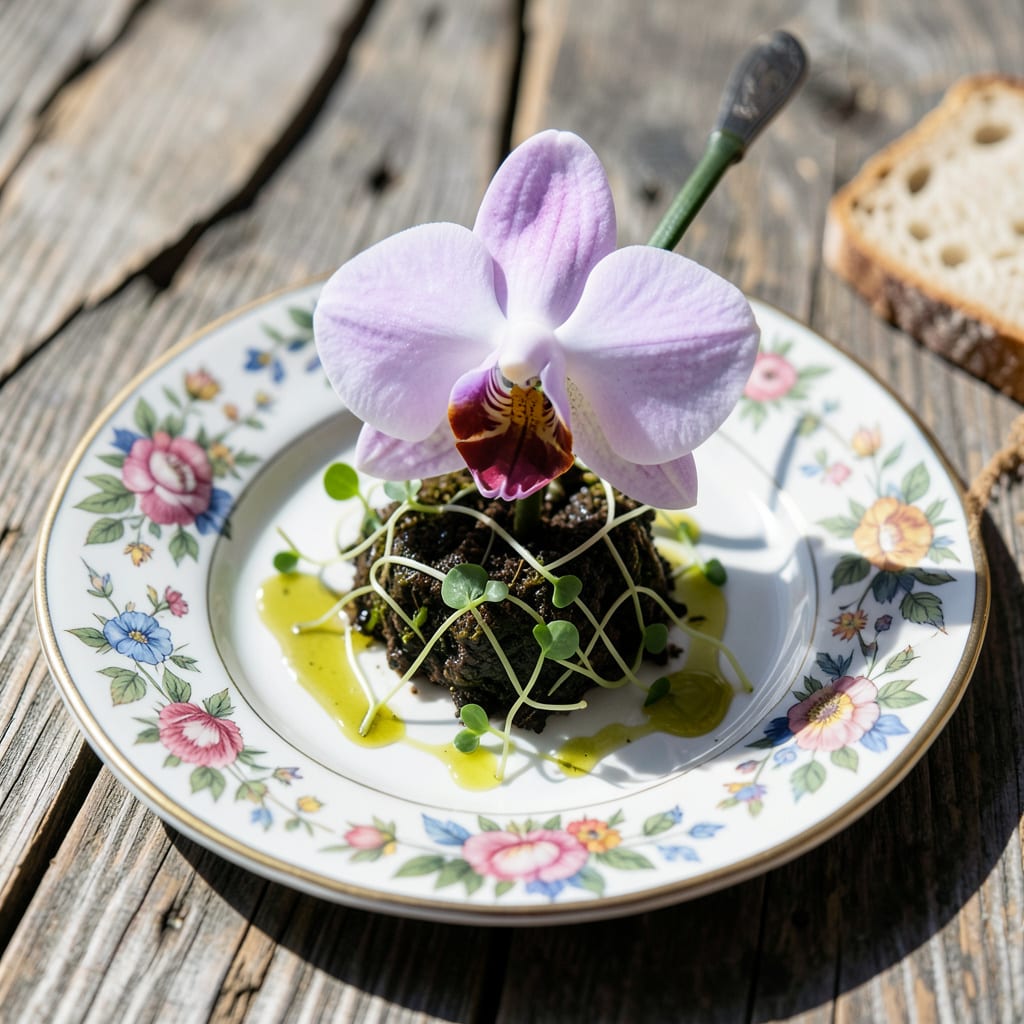
Fertilizing your Orchid 💐 at the right time is crucial for vibrant blooms and healthy growth. As an Orchid enthusiast in USDA Zone 6, you can nourish your plants effectively during their active growing periods.
I’ll guide you through the best times to fertilize your Orchid, from Spring to Summer, and help you understand the importance of timing for optimal nutrient absorption and better blooms.

I always start by understanding that Orchids have specific growing periods when they need more nutrients. The key is to identify these cycles to provide the best care for your plants.
Fertilizing your Orchid at the right time is crucial for its growth and blooming. In USDA Zone 6, the active growing periods for Orchids typically occur during Spring and Summer months.
Understanding these seasonal fertilization actions helps you provide your Orchid with the right nutrients at the right time. During Spring, your Orchid starts to produce new growth, making it the ideal time to begin fertilizing.
In Summer, your Orchid is in full growth mode, and regular fertilization every 2 weeks supports healthy development and blooming. As Fall approaches, you should reduce fertilization to prepare your Orchid for the slower growth period.
During Winter, most Orchids enter a dormant period, and fertilization should be stopped to allow the plant to rest. This cycle of fertilization helps maintain the health and vitality of your Orchid 💐.
Fertilizing your Orchid according to its growing cycle ensures that it receives the necessary nutrients for optimal growth and blooming. By following this seasonal fertilization schedule, you can enjoy vibrant blooms and healthy plants throughout the year 🌼.
It’s also important to monitor your Orchid’s response to fertilization and adjust your schedule as needed. Some Orchids may have different needs based on their specific variety and growing conditions.
By paying attention to your Orchid’s growth patterns and adjusting your fertilization routine accordingly, you can provide the best care for your plants and enjoy their beautiful blooms for months to come 🌺.
For more detailed information on caring for your Orchid, including tips on watering and lighting, be sure to check out other resources on Orchid care to keep your plants thriving.
I recommend using a balanced fertilizer for your Orchids, as it provides essential nutrients for healthy growth and blooming. A balanced fertilizer typically has an NPK ratio of 20-20-20, which means it contains equal parts nitrogen, phosphorus, and potassium 🌱.
Fertilize your Orchid after watering to prevent root damage. Use 1/4 teaspoon of fertilizer per gallon of water, and apply it every 2 weeks during the growing season.
When fertilizing your Orchid, it’s essential to follow the recommended application frequency and concentration to avoid over-fertilization. Over-fertilization can cause root damage and negatively impact your plant’s health 🔥.
I suggest fertilizing your Orchid every 2 weeks during the Spring and Summer months when it’s actively growing. During the Fall and Winter months, you can reduce the frequency to once a month or stop fertilizing altogether 🌼.
It’s also crucial to monitor your Orchid’s response to fertilization and adjust your schedule as needed. Some Orchids may have different needs based on their specific variety and growing conditions.
By following these best fertilization practices, you can provide your Orchid with the necessary nutrients for optimal growth and blooming.
For more detailed information on caring for your Orchid, including tips on watering and lighting, be sure to check out other resources on Orchid care to keep your plants thriving 🌺.
By understanding and implementing these fertilization practices, you’ll be well on your way to enjoying vibrant blooms and healthy Orchid plants throughout the year 💐.
I always keep an eye out for signs that my Orchid needs fertilizer. If I notice slow growth or yellowing leaves, it might be time to adjust my fertilization schedule.
Monitor your Orchid’s condition and adjust fertilization based on seasonal changes and plant response.
Fertilizing your Orchid isn’t just about following a schedule; it’s also about observing your plant’s needs. During Spring and Summer, when Orchids are actively growing, they require more nutrients.
In Fall and Winter, when growth slows down, you can reduce or stop fertilizing. By paying attention to these changes, you can tailor your fertilization routine to support your Orchid’s health 🌼.
Some signs that your Orchid needs fertilizer include weak stems, fewer blooms, or pale leaves. If you notice any of these symptoms, consider adjusting your fertilization schedule accordingly.
By combining a regular fertilization schedule with careful observation of your Orchid’s condition, you can ensure it receives the nutrients it needs to thrive 💐.
For more tips on caring for your Orchid, including advice on watering and lighting, be sure to explore other resources on Orchid care 🌺.
Fertilize your Orchid every 2 weeks during Spring and Summer when it’s actively growing. Use a balanced fertilizer with an NPK ratio of 20-20-20. This frequency supports healthy development and blooming.
A balanced fertilizer with an NPK ratio of 20-20-20 is recommended for Orchids. This type provides equal parts nitrogen, phosphorus, and potassium, essential for healthy growth and blooming. Apply 1/4 teaspoon of fertilizer per gallon of water.
No, it’s best to stop fertilizing your Orchid during the Winter months when it’s dormant. Fertilizing during this period can cause unnecessary stress to the plant. Resume fertilizing in Spring when new growth appears.
Monitor your Orchid’s condition for signs like slow growth, yellowing leaves, weak stems, or fewer blooms. If you notice any of these symptoms, consider adjusting your fertilization schedule accordingly. Regular observation helps ensure your Orchid receives the necessary nutrients.
