
Beautiful Plants For Your Interior
Beautiful Plants For Your Interior
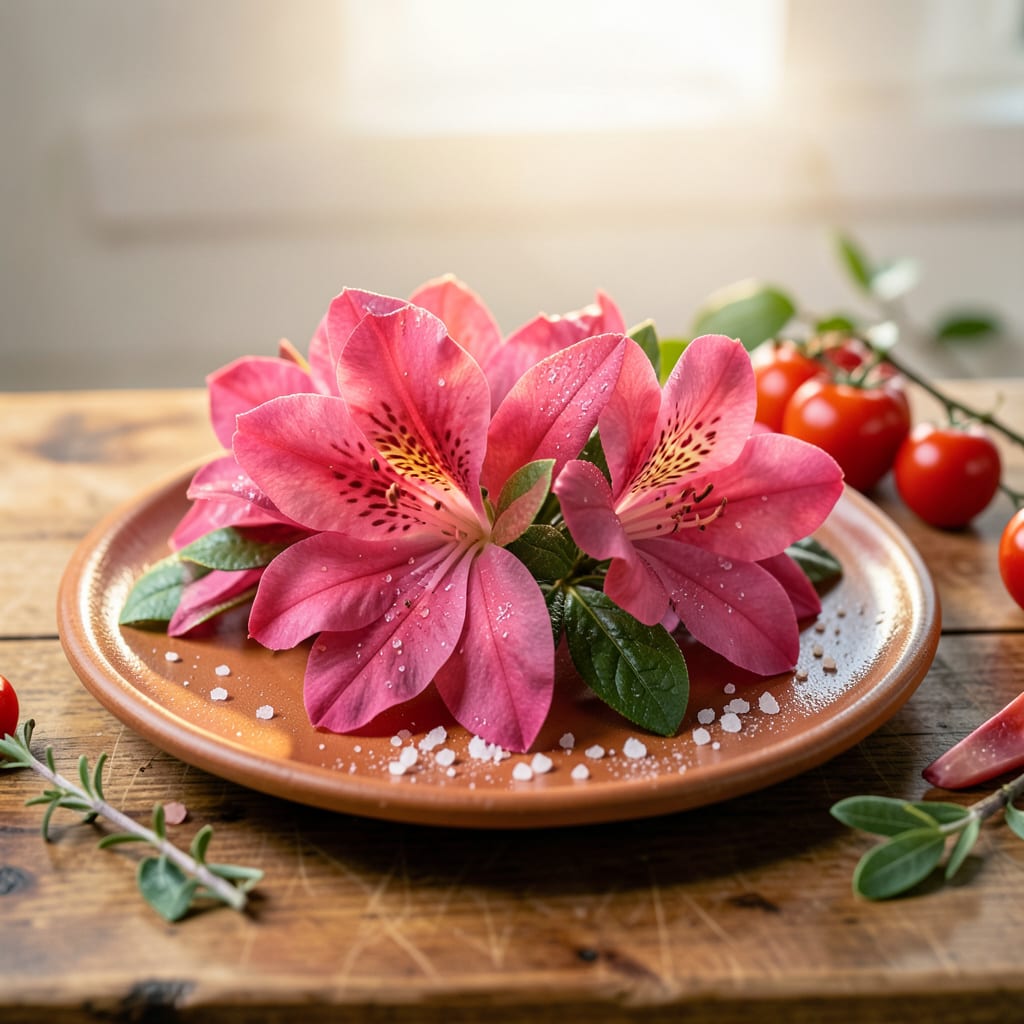
As I tend to my azaleas 🌺 in USDA Zone 6, I realize that fertilizing at the right time is crucial for their vibrant blooms and healthy growth. The key is understanding when to provide the necessary nutrients.
Fertilizing my azaleas in early spring and early fall has made all the difference. I’ll share the best practices for fertilizing azaleas, including the right type of fertilizer and application timing, to help you achieve beautiful blooms.

I recall the first time I fertilized my azaleas – it was a game changer for their growth and blooming. Understanding the ideal fertilization schedule is crucial for these beautiful plants 🌺.
The best time to fertilize azaleas depends on their type, climate, and soil conditions. Generally, azaleas benefit from acidic fertilizers applied at specific times of the year.
The fertilizer type is critical for azaleas. They require acidic fertilizers with a balanced NPK ratio, such as 10-10-10 or 5-10-10. The application rate should be 1 cup per 10 square feet of soil surface.
For optimal results, fertilize azaleas in the early morning when the soil is moist. This timing helps prevent fertilizer burn and ensures the plants receive the nutrients they need.
Different types of azaleas may have slightly different fertilization needs. For example, deciduous azaleas might require a slightly different schedule compared to evergreen azaleas. Understanding your azalea variety is key to providing the right care 🌿.
Soil conditions also play a significant role in azalea fertilization. Azaleas thrive in well-draining, acidic soil. Testing your soil pH and adjusting it if necessary can significantly impact your azaleas’ health and blooming success.
In regions with cold winters, it’s essential to fertilize azaleas at the right time to prepare them for the next growing season. A fall fertilization helps strengthen the plants before winter.
For azaleas growing in containers, the fertilization schedule remains similar, but you may need to adjust the fertilizer amount based on the container size and soil volume.
Monitoring your azaleas’ response to fertilization is crucial. If you notice yellowing leaves or poor blooming, it may be a sign that your fertilization strategy needs adjustment.
By following these guidelines and understanding the specific needs of your azaleas, you can enjoy vibrant blooms and healthy growth year after year 🌼.
Fertilizing azaleas effectively requires understanding the right type of fertilizer and application methods. I recommend using acidic fertilizers with a balanced NPK ratio, such as 10-10-10 or 5-10-10, to promote healthy growth and blooming 🌺.
The application rate is crucial – typically, 1 cup of fertilizer per 10 square feet of soil surface is recommended. It’s best to fertilize in the early morning when the soil is moist to prevent fertilizer burn and ensure optimal nutrient absorption.
For container-grown azaleas, adjust the fertilizer amount based on the container size and soil volume to avoid over-fertilization.
Different types of azaleas, such as deciduous and evergreen azaleas, may have slightly different fertilization needs. Understanding your azalea variety is key to providing the right care 🌿.
Soil conditions also play a significant role in azalea fertilization. Azaleas thrive in well-draining, acidic soil. Testing your soil pH and adjusting it if necessary can significantly impact your azaleas’ health and blooming success.
In regions with cold winters, a fall fertilization helps strengthen the plants before winter. This preparation is crucial for their survival and next year’s blooming.
For azaleas growing in containers, the fertilization schedule remains similar to those in the ground, but be mindful of the soil volume and container size when applying fertilizer.
Monitoring your azaleas’ response to fertilization is crucial. If you notice yellowing leaves or poor blooming, it may be a sign that your fertilization strategy needs adjustment.
By following these guidelines and understanding the specific needs of your azaleas, you can enjoy vibrant blooms and healthy growth year after year 🌼.
When fertilizing azaleas, it’s essential to monitor their response to ensure you’re providing the right nutrients. I check my azaleas regularly for healthy growth patterns and blooming success 🌺.
A well-fertilized azalea will display vibrant blooms and healthy foliage. On the other hand, yellowing leaves or poor blooming can indicate a fertilization issue.
To adjust your fertilization strategy, consider the specific needs of your azaleas based on their type, climate, and soil conditions. For example, deciduous azaleas might require a different fertilization schedule than evergreen azaleas 🌿.
Soil conditions also play a significant role in azalea fertilization. Azaleas thrive in well-draining, acidic soil. Testing your soil pH and adjusting it if necessary can significantly impact your azaleas’ health and blooming success.
By monitoring your azaleas’ response to fertilization and making adjustments as needed, you can enjoy vibrant blooms and healthy growth year after year 🌼.
Fertilize azaleas in early spring after they finish blooming, and again in early fall to promote healthy growth and blooming. This schedule allows the plants to absorb necessary nutrients during their active growth periods.
Use an acidic fertilizer with a balanced NPK ratio, such as 10-10-10 or 5-10-10. Azaleas thrive in acidic soil, so a fertilizer that maintains or lowers soil pH is ideal. The application rate should be 1 cup per 10 square feet of soil surface.
After the initial spring fertilization, continue with light feeding every 6 weeks until August. This maintains nutrient levels without over-fertilizing. Monitor your plants’ response and adjust as needed.
No, azaleas are dormant during winter and don’t require fertilization. Avoid fertilizing during the dormant season to prevent unnecessary nutrient buildup and potential damage. Resume fertilization in early spring when new growth begins.
