
Beautiful Plants For Your Interior
Beautiful Plants For Your Interior
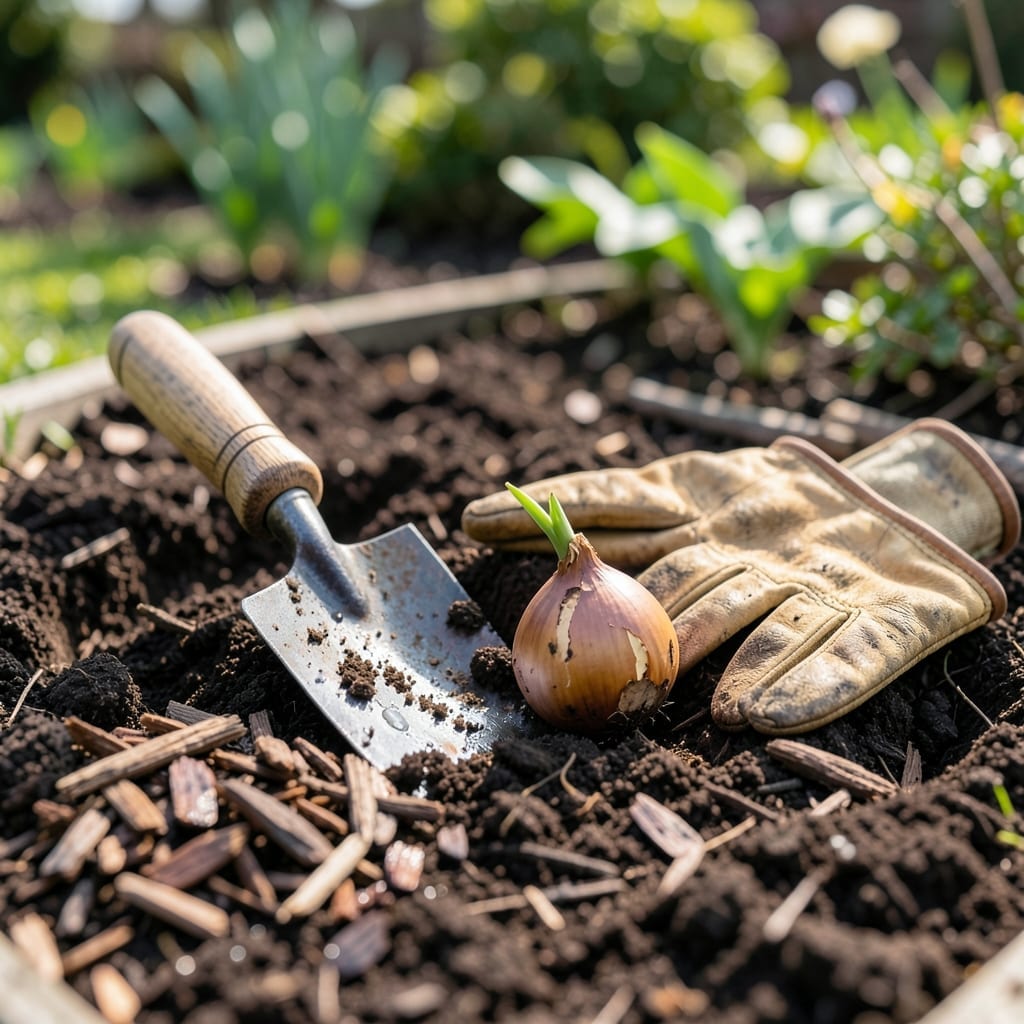
Planting 🌷 Tulip bulbs at the right time is the secret to vibrant spring blooms that will make your garden the envy of the neighborhood.
Get the timing wrong, and you might end up with weak stems or no flowers at all. I’ve seen it happen too many times to gardeners who were just a few weeks off.
Let me show you exactly when to plant for the best results, no matter where you live. You’ll learn how to sync with nature’s schedule for stunning tulips come spring.
Timing is everything when it comes to tulip bulbs. Plant too early, and they may sprout before winter. Plant too late, and they won’t establish roots in time. I’ve found that fall planting is the sweet spot for most gardeners.
The ideal window is 6-8 weeks before your first hard frost, when soil temperatures drop below 60°F. This gives bulbs time to develop strong roots before winter dormancy.
| USDA Zone | Planting Window | Soil Temp |
|---|---|---|
| 3-4 | Late September | Below 60°F |
| 5-6 | October | 55-60°F |
| 7-8 | Late October – November | 50-55°F |
In cold climates (Zones 3-4), aim for late September planting. The ground cools quickly, so bulbs need that head start. I’ve planted as late as early October here with great success.
For moderate zones (5-6), October is your golden month. The soil stays warm longer, giving bulbs extra time to root. Just avoid planting after the first frost.
Gardeners in warmer zones (7-8) should wait until late October or November. The soil stays warmer longer, so bulbs need that later start to prevent premature sprouting.
If you’re in Zone 9 or warmer, consider pre-chilling bulbs for 8-10 weeks before planting in December. This mimics winter conditions.
Always check your local frost dates for precision. I use a soil thermometer to confirm temperatures are in the right range before planting.
Remember, well-draining soil is crucial. Tulips hate soggy feet, so amend heavy clay with compost or sand before planting.
And don’t forget: deeper planting (8 inches) in warm climates helps keep bulbs cool. In colder areas, 6 inches deep is sufficient.
✂️Now that you know when to plant, let’s dive into the how. Proper soil prep and planting technique are just as crucial as timing for those vibrant spring blooms. I always start by choosing a sunny location with well-draining soil.
Begin by loosening the soil to a depth of 12-15 inches. This helps the tulip bulbs establish roots easily. Mix in compost or aged manure to boost fertility and improve drainage.
The planting depth is critical. A good rule is to dig 2-3 times deeper than the bulb’s height. For standard tulips, that’s about 6-8 inches deep. In warmer climates, go deeper to keep bulbs cooler.
Spacing matters too. I plant my tulips 4-6 inches apart so they have room to grow without competing for nutrients. If you’re creating a dense display, you can go as close as 2-3 inches, but expect to replace bulbs more often.
After placing the bulbs pointy-end up, cover them with soil and give them a deep watering. This helps settle the soil and encourages root growth. Avoid fertilizer at this stage—it’s better to amend the soil beforehand.
Finally, add a 2-3 inch layer of mulch to insulate the soil. This protects bulbs from temperature swings and retains moisture. I use straw or shredded leaves for this purpose.
✂️