
Beautiful Plants For Your Interior
Beautiful Plants For Your Interior
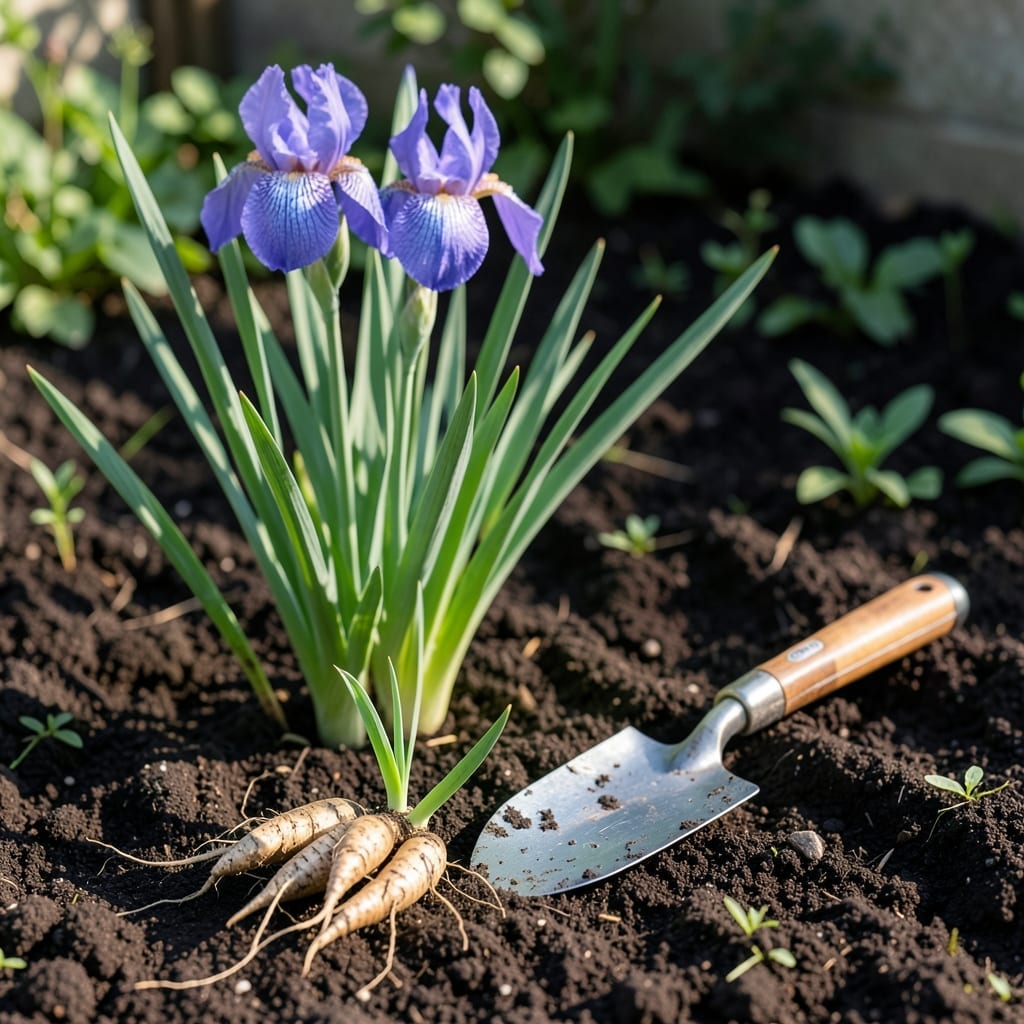
Timing is everything when it comes to planting Iris 🌸—get it right, and you’ll be rewarded with stunning, vibrant blooms year after year.
Plant at the wrong time, and you risk weak growth or no flowers at all. The good news? There’s a simple window that works best for most gardeners.
Discover the ideal season to plant these beauties and why it makes all the difference for healthy, thriving plants.
The ideal window for planting irises is late summer to early fall, typically from August through October. This timing allows the rhizomes to establish strong roots before winter dormancy.
In most climates, planting during this period ensures your irises will bloom beautifully the following spring. The key is giving them enough time to settle in before the first frost hits. ☀️
| Stage | Best Timeframe | Key Benefit |
|---|---|---|
| Planting | August-October | Root establishment |
| Blooming | April-June | Vibrant flowers |
| Dormancy | November-March | Winter survival |
For gardeners in warmer climates (USDA zones 8-10), you can push planting into November. The soil stays warm longer, giving rhizomes extra time to grow. Just avoid planting during extreme heat or drought.
In cooler zones (USDA 3-5), stick to August-September. The earlier start helps irises establish before the ground freezes. I’ve seen many gardeners lose plants by waiting too long in these areas.
Why does timing matter so much? Root development is critical. When planted in fall, irises focus energy on growing strong roots instead of foliage. This leads to bigger blooms and healthier plants come spring.
The worst time to plant is spring or summer. While you might get away with it in some cases, the plants often struggle to bloom that year. They’re too busy growing leaves to establish proper roots.
Soil temperature is another key factor. Aim for 60-70°F soil temps during planting. This range encourages root growth without stressing the plant. You can check with a soil thermometer if you’re unsure.
If you miss the fall window, container planting is an option. Plant rhizomes in pots and keep them in a cool, dark place (like a garage) until spring. Then transfer to the garden once the frost danger has passed.
Remember, well-draining soil is just as important as timing. Irises hate wet feet, so amend heavy clay with compost or sand before planting. This prevents root rot and keeps your plants thriving for years. 🌿
Once you’ve picked the perfect timing (late summer to early fall), the next step is proper planting technique. I always start by choosing a sunny location with at least 6 hours of sunlight daily.
The soil should be well-draining and slightly acidic to neutral (pH 6.8-7.0). If your soil is heavy clay, mix in compost or sand to improve drainage before planting. 🌱
One trick I swear by is soaking rhizomes in water for 1-2 hours before planting. This rehydrates them and gives a head start on root growth in their new home.
After planting, water weekly for the first month, then reduce to every 10-14 days unless it’s extremely dry. Overwatering is a common mistake—irises prefer dry feet over soggy soil. ☀️
In the first year, you might see fewer blooms as the plants focus on root establishment. By the second spring, your patience will be rewarded with full, vibrant displays.
With this approach, your irises will thrive and multiply beautifully year after year. 🌿