
Beautiful Plants For Your Interior
Beautiful Plants For Your Interior
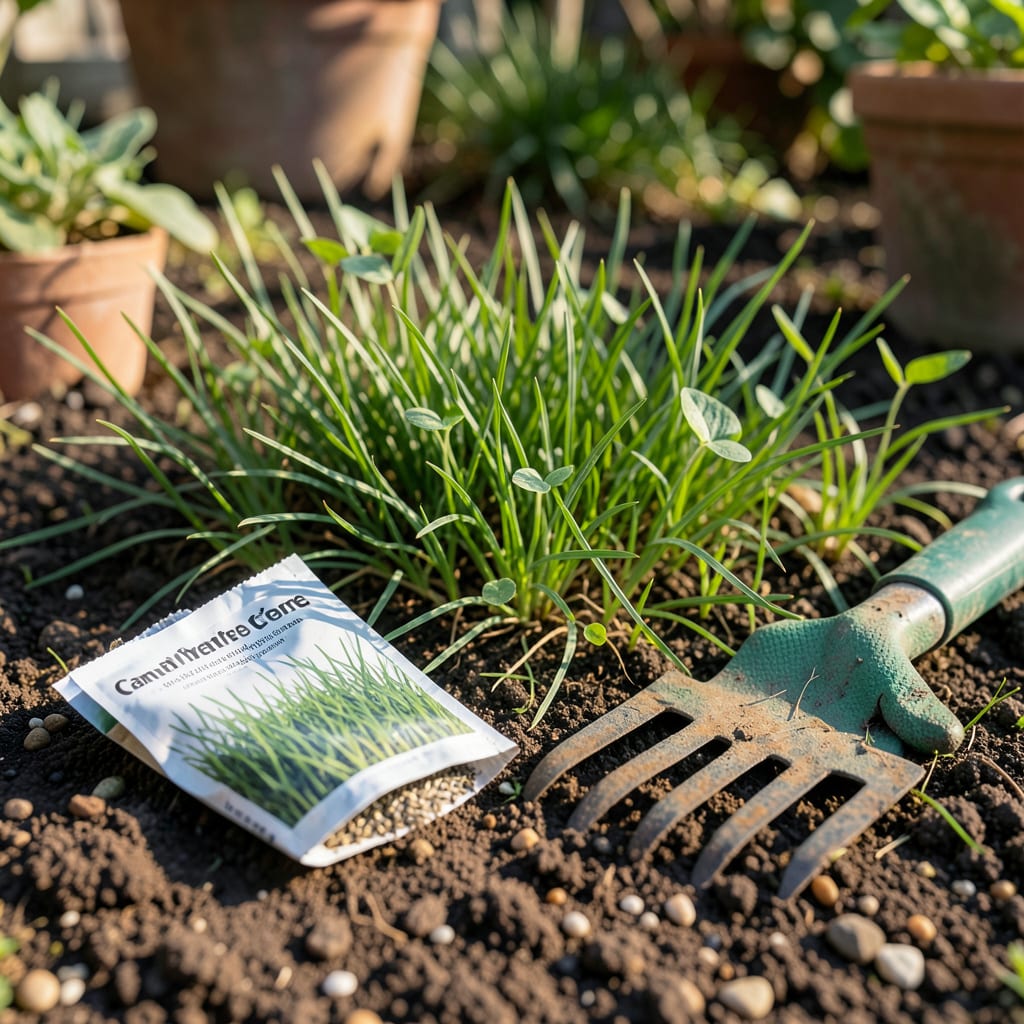
Spring is here, and you’re ready to give your lawn a fresh start by planting Grass 🌿 seed. But timing is everything – plant too early, and frost might ruin your efforts; too late, and you might miss the optimal growing window.
I’ll guide you through the best time to plant in spring, considering factors like soil temperature and frost dates in zone 6. Let’s get your lawn looking its best.
When it comes to planting grass seed in the spring, timing is crucial for successful germination and growth. The ideal time to plant depends on several factors, including soil temperature, frost dates, and weather patterns. 🌱
In general, the best time to plant grass seed in the spring is when the soil temperature reaches around 55-65°F. This typically occurs in late March to early May, depending on your location. It’s essential to wait until the soil has warmed up and the risk of frost has decreased. 🔥
The ideal spring planting window varies by region, but generally falls between late March and early May. In USDA zone 6, for example, the last frost date is around April 15, so it’s best to plant grass seed in early to mid-April. 🌟
Soil preparation is also critical for successful germination. Test your soil to determine its pH level and nutrient content. Most cool-season grasses prefer a slightly acidic to neutral soil pH (6.0-7.0). Adjust your soil accordingly to ensure optimal growing conditions.
Choosing the right grass type for your climate and soil is vital. Cool-season grasses like ryegrass and bluegrass thrive in temperate climates with cold winters and cool summers. Warm-season grasses like Bermuda grass and zoysia grass prefer warmer temperatures and are more drought-tolerant.
When planting grass seed,
Post-planting care is also crucial for establishing a healthy lawn. Maintain a consistent watering schedule, and avoid over-fertilizing, which can damage young seedlings. With proper care and attention, your newly seeded lawn will be lush and green in no time. 🌿
By understanding the optimal spring timing for planting grass seed and following these tips, you’ll be well on your way to a beautiful, thriving lawn. Happy planting! 🌻
The key to successful grass seed planting is to be patient and attentive to your lawn’s needs. By doing so, you’ll enjoy a lush, green lawn throughout the growing season. 🌟
In conclusion, planting grass seed in the spring requires careful planning and attention to detail. By
Before planting grass seed in the spring, it’s essential to prepare your lawn properly. This includes lawn preparation, soil testing, and choosing the right grass type for your climate and soil. 🌱
Lawn preparation involves removing debris, aerating the soil, and leveling the ground. Start by clearing your lawn of any debris, such as dead grass, leaves, or twigs. You can use a rake or a lawn mower with a bag attachment to collect the debris. 🌿
Determine your soil’s pH level and nutrient content to make necessary adjustments.
Aerating improves drainage and reduces soil compaction, while leveling ensures even growth.
Select a grass type suitable for your climate and soil conditions.
Soil testing is critical to determine your soil’s pH level and nutrient content. Most cool-season grasses prefer a slightly acidic to neutral soil pH (6.0-7.0). Based on your soil test results, you may need to adjust your soil’s pH by adding lime to raise it or sulfur to lower it. 🌟
Choosing the right grass type for your climate and soil is vital. Cool-season grasses like ryegrass and bluegrass thrive in temperate climates with cold winters and cool summers. Warm-season grasses like Bermuda grass and zoysia grass prefer warmer temperatures and are more drought-tolerant. 🌻
By following these steps, you’ll be well-prepared to plant grass seed in the spring and set your lawn up for success. Happy planting! 🌿
Proper lawn preparation is key to successful grass seed germination and growth. By testing your soil, aerating and leveling your lawn, and choosing the right grass type, you’ll be on your way to a lush, green lawn. 🌟
After planting grass seed in the spring, it’s essential to provide proper care to ensure successful germination and growth. This includes maintaining a consistent watering schedule, fertilization, and mowing height, as well as controlling weeds. 🌱
Keep the soil consistently moist during the first few weeks after planting. Water lightly but frequently to prevent washing away the seeds. 🌟
Watering is critical during the germination period. Keep the soil consistently moist, but not waterlogged. Water lightly but frequently to prevent washing away the seeds. As the seedlings grow, gradually reduce the frequency of watering to encourage deep root growth. 💧
Fertilization is also important for promoting healthy growth. Apply a starter fertilizer at the time of planting, and follow up with a balanced fertilizer once the seedlings have reached a height of 2-3 inches. Avoid over-fertilizing, which can damage young seedlings. 🌿
Mowing height is another crucial factor in post-planting care. Maintain a mowing height of 2.5-3 inches to promote healthy growth and prevent weed invasion. Use a sharp mower blade to prevent tearing the grass, and leave the clippings on the lawn to act as a natural fertilizer. 🌻
Weed control is essential to prevent weeds from competing with your newly seeded lawn. Use a pre-emergent herbicide to prevent crabgrass and other annual weeds from germinating. For existing weeds, use a post-emergent herbicide or manually remove them by hand. 🚫
By following these post-planting care tips, you’ll be able to establish a healthy, lush lawn that will thrive throughout the growing season. Happy planting! 🌟
Proper post-planting care is key to successful grass seed germination and growth. By maintaining a consistent watering schedule, fertilization, and mowing height, and controlling weeds, you’ll be on your way to a beautiful, thriving lawn. 🌿
The ideal soil temperature for planting grass seed in spring is between 55-65°F. This typically occurs in late March to early May, depending on your location. Soil temperature is crucial for germination and growth.
To prepare your lawn, remove debris, aerate the soil, and level the ground. Test your soil to determine its pH level and nutrient content, and adjust accordingly. This ensures optimal growing conditions for your new grass.
Keep the soil consistently moist during the first few weeks after planting. Water lightly but frequently to prevent washing away the seeds. Maintain a mowing height of 2.5-3 inches and control weeds to promote healthy growth.
Yes, apply a starter fertilizer at the time of planting, and follow up with a balanced fertilizer once the seedlings have reached a height of 2-3 inches. Avoid over-fertilizing, which can damage young seedlings.
