
Beautiful Plants For Your Interior
Beautiful Plants For Your Interior
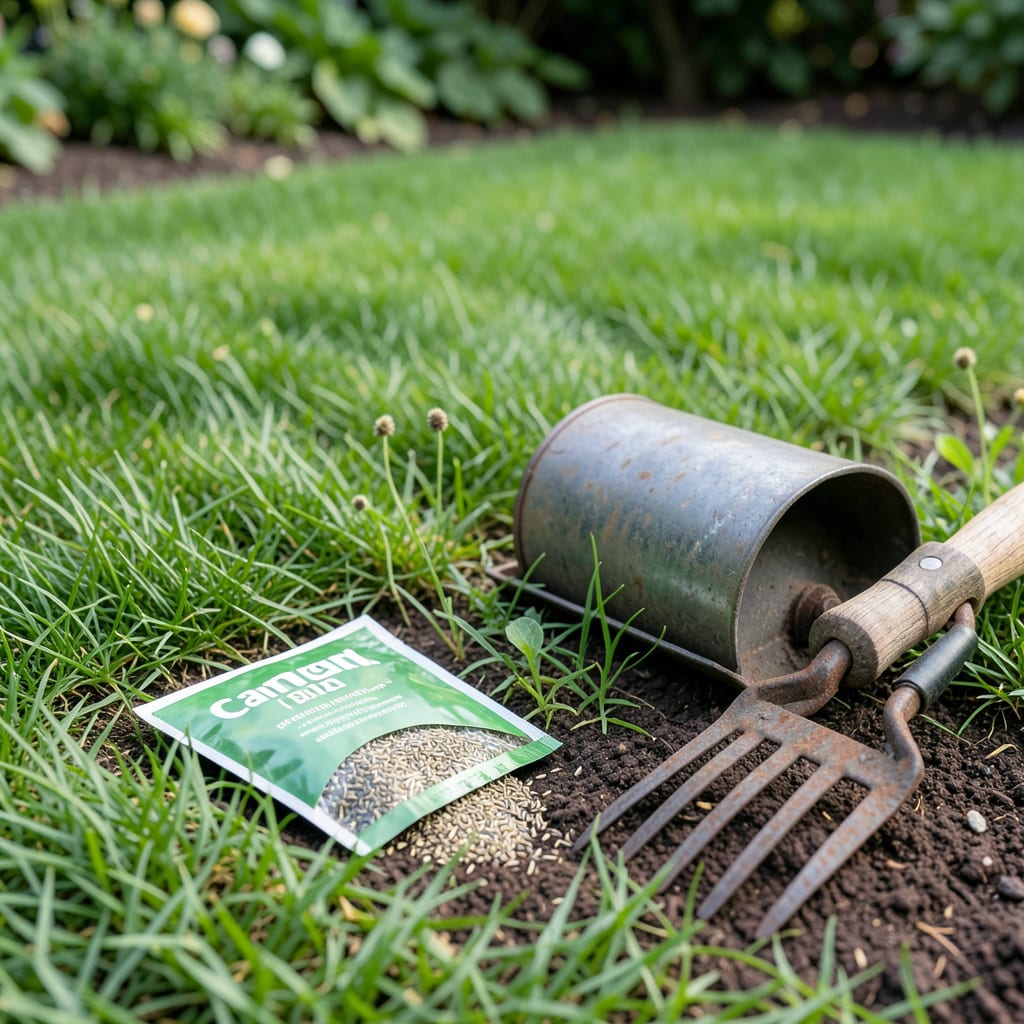
As the seasons change in Kentucky 🌱, timing becomes crucial for lawn care. Planting grass seed at the right moment can make all the difference between a lush, green lawn and a patchy one.
In Kentucky’s climate, particularly in zone 6b, the ideal time to plant grass seed is during the fall season, from Late August to Mid October. Understanding this window is key to successful grass establishment.
In Kentucky, the ideal time to plant grass seed depends on the type of grass you’re growing. For cool-season grasses, which thrive in cooler temperatures, the best time is early fall or early spring. In the fall, planting should occur about 6-8 weeks before the first frost, typically around late August to early October 🌱.
For warm-season grasses, which prefer warmer temperatures, the optimal planting time is late spring to early summer, when the soil has warmed up to at least 65°F. Understanding these windows is crucial for successful grass establishment in Kentucky’s temperate climate with hot summers and cold winters 🌻.
The soil temperature is a critical factor in determining the best planting time. For cool-season grasses, the ideal soil temperature is between 55°F and 65°F. In Kentucky, this typically occurs during the fall season, making it the preferred time for planting cool-season grasses 🌿.
Planting at the right time ensures that the grass seed has the best chance to germinate and establish itself before the onset of extreme weather conditions, such as the heat of summer or the cold of winter 🔥.
Fall planting is particularly advantageous in Kentucky because it allows the grass seed to take advantage of the cooler temperatures and increased moisture typically present during this season. This can lead to stronger root development and a healthier lawn 🌻.
In contrast, spring planting can be more challenging due to competition from weeds and the upcoming summer heat. However, with proper care and management, spring-planted grass can still thrive 🌼.
It’s essential to consider the specific climate conditions in your area of Kentucky, as well as the type of grass you’re planting, to determine the best planting time for your lawn 🌱.
By understanding the optimal planting windows and factors that affect grass seed germination and establishment, you can make informed decisions to achieve a lush, healthy lawn in Kentucky 🌿.
For more specific guidance tailored to your region within Kentucky, consider consulting with a local gardening expert or extension office for personalized advice 🌻.
Additionally, be sure to prepare your soil properly before planting, including testing pH levels and amending as necessary, to give your grass seed the best start possible 🌿.
By combining the right planting time with proper lawn care practices, you can enjoy a vibrant, thriving lawn throughout the growing season 🌼.
In Kentucky, determining when it’s too late to plant grass seed successfully depends on several critical factors. The soil temperature plays a crucial role in grass seed germination. For cool-season grasses, the ideal soil temperature is between 55°F and 65°F. As fall progresses, soil temperatures gradually decrease, making it essential to plant before they drop too low 🌿.
Air temperature is another vital factor. Cool-season grasses prefer daytime temperatures between 60°F and 75°F and nighttime temperatures above 45°F. When daytime temperatures consistently exceed 80°F or nighttime temperatures drop below 40°F, it becomes challenging for newly planted grass seed to establish 🔥.
Planting too late in the season can lead to poor germination and establishment due to unfavorable weather conditions. Be mindful of the first frost date in your area, typically around mid-October in Kentucky.
The first frost date is a significant indicator of when it’s too late to plant grass seed. In Kentucky, the first frost usually occurs around mid-October. Planting should be done at least 6-8 weeks before this date to allow the grass seed to establish before winter ❄️.
Moisture levels in the soil are also crucial for grass seed germination and establishment. Kentucky’s fall season often brings increased rainfall, which can be beneficial. However, planting too late in the season may result in inadequate moisture due to winter dryness 💧.
To determine when it’s too late to plant grass seed in your specific area of Kentucky, consider consulting local gardening experts or your county’s extension office for more precise guidance tailored to your region 🌻.
By understanding these factors and their impact on grass seed planting, you can make informed decisions to achieve a healthy, thriving lawn in Kentucky’s climate 🌱.
For areas with shorter growing seasons or specific microclimates within Kentucky, it’s essential to adjust planting times accordingly to ensure the best possible outcome for your lawn 🌼.
Combining knowledge of these critical factors with proper lawn care practices will help you achieve a lush, vibrant lawn throughout the growing season 🌿.
If you’ve missed the optimal planting window for grass seed in Kentucky, there are still alternatives to consider for late-season planting 🌱.
One option is dormant seeding, which involves planting grass seed in late fall or early winter when the soil is too cold for germination. This method allows the seed to lie dormant over winter and germinate as soon as soil temperatures rise in spring ❄️.
For successful late-season grass seed planting in Kentucky, consider dormant seeding or overseeding existing lawns, and prepare for next growing season by planning soil preparation and selecting appropriate grass varieties.
Another alternative is overseeding existing lawns in late summer or early fall. This involves spreading grass seed over the existing turf to fill in bare spots or thicken the lawn 🌿.
When planting late in the season, it’s essential to choose a grass seed variety that is well-suited to Kentucky’s climate and has a quick germination rate. This will help ensure the best possible chance of successful establishment 🔥.
Soil preparation is also critical for late-season planting. Ensure the soil is properly prepared by loosening it, adding necessary amendments, and providing adequate moisture for germination 💧.
For areas with poor soil quality, consider adding organic matter like compost to improve soil structure and fertility. This will help support healthy grass growth 🌱.
If you’re unable to plant grass seed in the current season, use the opportunity to prepare for next year’s planting by planning your lawn care strategy, selecting appropriate grass varieties, and preparing your soil accordingly 🌻.
By understanding these alternatives and considerations for late-season grass seed planting, you can make informed decisions to achieve a healthy, thriving lawn in Kentucky’s climate 🌼.
Consulting with local gardening experts or your county’s extension office can provide more specific guidance tailored to your region within Kentucky 🌻.
The latest recommended date to plant grass seed in Kentucky is typically around mid-October, about 6-8 weeks before the first frost. Planting beyond this date may result in poor germination and establishment due to unfavorable weather conditions .
Yes, you can still plant grass seed in late fall in Kentucky using the dormant seeding method. This involves planting when the soil is too cold for germination, allowing the seed to lie dormant over winter and germinate in spring .
Soil temperature plays a crucial role in grass seed germination. For cool-season grasses, the ideal soil temperature is between 55°F and 65°F. As fall progresses and soil temperatures decrease, it’s essential to plant before they drop too low .
If you miss the optimal planting window, consider overseeding existing lawns or preparing for next year’s planting by planning your lawn care strategy and selecting appropriate grass varieties .
