
Beautiful Plants For Your Interior
Beautiful Plants For Your Interior
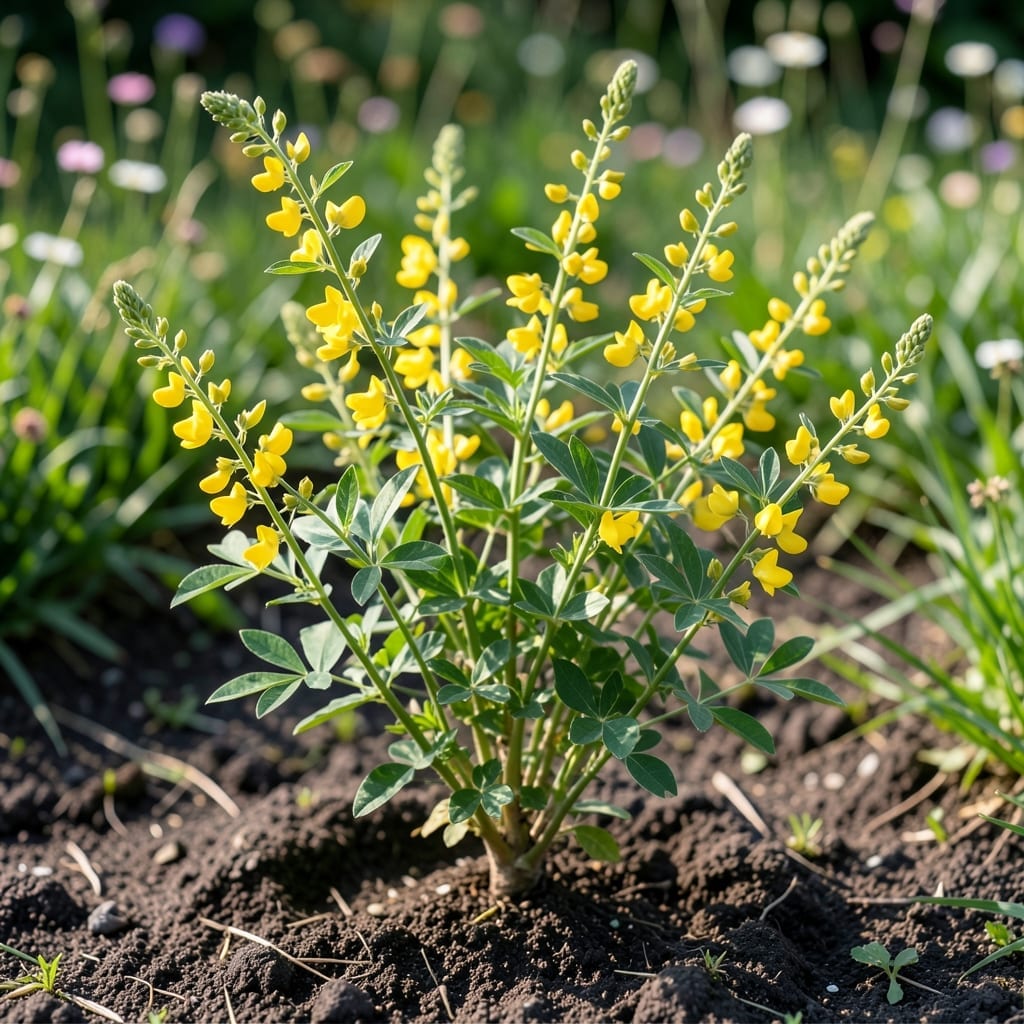
There’s nothing quite like watching Scotch Broom 🌼 light up the landscape with its golden blooms. This vibrant shrub signals the arrival of spring in the most spectacular way.
If you’ve ever wondered about the perfect time to enjoy its bright yellow flowers, you’re in the right place. The blooming period is one of nature’s most reliable shows.
From my experience, Scotch Broom follows a predictable seasonal rhythm that gardeners can count on year after year. The timing might surprise you.
Let me share what I’ve learned about when to expect this stunning display and how to make the most of it in your garden.
If you’re wondering when Scotch broom blooms, I can tell you it typically bursts into its signature golden-yellow flowers in late spring to early summer. Most gardeners see the first blossoms in April or May, depending on their location.
In warmer climates like USDA zones 8-10, you might spot blooms as early as March. Cooler regions, such as zones 5-6, often see flowers closer to June. This adaptability makes it a favorite for many gardens.
| Region | Blooming Start | Blooming End |
|---|---|---|
| Zones 8-10 | March | May |
| Zones 6-7 | April | June |
| Zones 4-5 | May | July |
The blooming period usually lasts about 4-6 weeks, with peak color appearing in mid-spring. I’ve noticed that coastal areas with mild winters tend to bloom earlier than inland regions with colder winters.
Scotch broom thrives in full sun and well-drained soil, which can influence its blooming timeline. If your plant isn’t flowering, check if it’s getting at least 6 hours of sunlight daily.
In my experience, younger plants may take a year or two to establish before producing abundant blooms. Once mature, they reward you with a spectacular display year after year. Pruning after flowering can encourage more vigorous blooms the next season.
Harsh winters might delay blooming, while mild winters can lead to earlier flowers. I’ve seen Scotch broom in Pacific Northwest gardens start blooming in late February during unseasonably warm years.
For gardeners in drought-prone areas, this shrub is quite drought-tolerant once established. However, consistent moisture during the growing season can help maximize its flower production.
If you’re planting Scotch broom for the first time, I recommend choosing a sunny spot with sandy or loamy soil. This will give your shrub the best chance to bloom on schedule and with vibrant color.
Remember, while Scotch broom is beautiful, it can become invasive in some areas. Always check local regulations before planting, and consider native alternatives if it’s restricted in your region. 🌼
If you want your Scotch broom to burst into golden-yellow blossoms sooner or last longer, I’ve got some practical tips to help you out. This shrub thrives with a little extra care.
Start by ensuring it gets full sun for at least 6 hours daily. Without enough light, the blooms can be sparse or delayed. Well-draining soil is also key to preventing root rot.
I always prune my Scotch broom right after its blooming season ends. This helps the plant focus its energy on producing more flowers next year. Use clean, sharp pruning shears for the best results.
Watering is another factor. While Scotch broom is drought-tolerant once established, giving it a deep soak weekly during dry spells can extend its blooming period. Just be sure the soil drains well.
A light application of balanced fertilizer in early spring can give your shrub the boost it needs. I recommend a 10-10-10 formula applied around the base, but don’t overdo it—too much can harm the plant.
Finally, keep an eye on pests and diseases. Healthy plants bloom better, so address any issues promptly. With these steps, you’ll enjoy a longer, more vibrant display of those stunning yellow flowers each spring. 🌼