
Beautiful Plants For Your Interior
Beautiful Plants For Your Interior
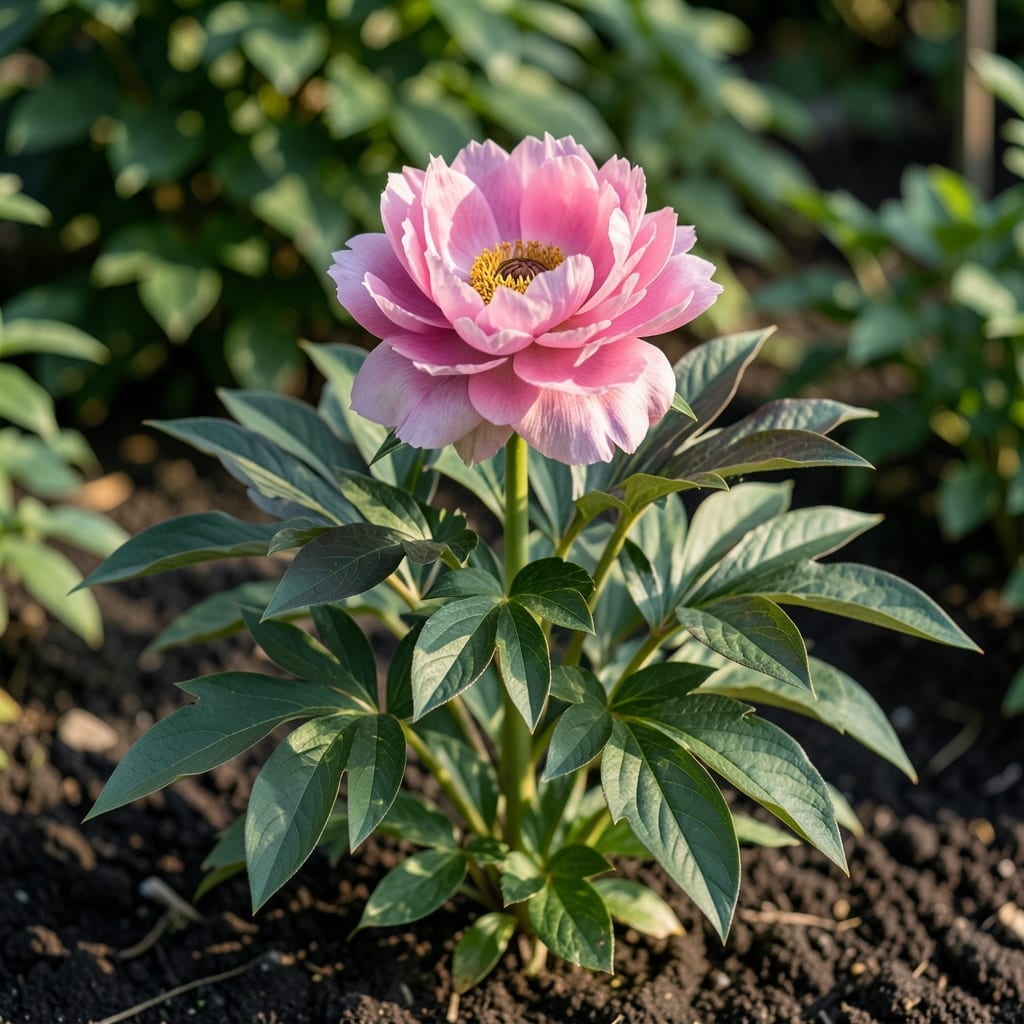
There’s nothing quite like watching your garden come alive with spectacular blooms. With peonies 🌸, timing is everything—you don’t want to miss their short but stunning flowering window.
Depending on the variety and your climate, these beauties typically burst into color between late spring and early summer. Knowing when to expect those lush blossoms helps you plan and savor every moment.
Let me walk you through the key factors that influence their blooming schedule and how to make the most of your peony season. You’ll love the results.
If you’ve ever wondered when peonies flower, the answer depends on the type. Herbaceous peonies typically bloom from late spring to early summer, usually May through June in most regions.
Tree peonies often flower earlier, starting in April or early May. Meanwhile, intersectional peonies bridge the gap, blooming mid-to-late spring and sometimes into early summer.
| Variety | Blooming Period | Duration |
|---|---|---|
| Herbaceous | Late Spring – Early Summer | 4-6 weeks |
| Tree | Early to Mid-Spring | 3-5 weeks |
| Intersectional | Mid-Spring – Early Summer | 5-7 weeks |
Within each category, there are early, mid-season, and late blooming cultivars. For example, ‘Coral Charm’ is an early herbaceous peony, while ‘Sarah Bernhardt’ blooms mid-season.
Regional climate plays a huge role. In warmer zones (7-8), peonies may bloom 2-3 weeks earlier than in cooler zones (3-4). A late frost can also delay flowering.
I’ve found that tree peonies in my Zone 5 garden often start blooming in early May, while my herbaceous varieties peak in early June. It’s a stunning progression!
For extended blooms, plant a mix of early, mid, and late varieties. This way, you can enjoy peonies for 6-8 weeks instead of just a few.
Intersectional peonies, like ‘Bartzella’, are fantastic for bridging the gap. They often bloom after tree peonies but before late herbaceous types, giving you continuous color.
If you’re in a mild climate, some peonies may even produce a second flush of blooms in late summer, though this is less common and depends on the variety.
To get the most from your peonies, track bloom times in a garden journal. Note when each variety starts and finishes flowering, so you can plan for a longer, more vibrant display next year 🌸
Several key factors determine when peonies flower in your garden. Sunlight exposure is critical—these plants thrive with 6+ hours of direct sun daily. Less light can delay blooming or reduce flower quality.
Soil temperature also plays a major role. Peonies prefer cool to moderate soil in early spring. A late frost can damage emerging buds, while early warmth may speed up flowering.
Pruning habits can make or break your blooms. I always remind gardeners to avoid cutting back peonies in fall until after the first frost. This protects the next year’s flower buds, which form in late summer.
Fertilization timing is another game-changer. Use a high-phosphorus fertilizer in early spring to promote bud formation. Over-fertilizing with nitrogen, however, can lead to lush foliage but fewer flowers.
Watering consistency is often overlooked. Peonies need moist but well-drained soil. Too much water can cause bud rot, while drought stress may lead to bud blast, where flowers fail to open.
In my experience, mulching helps maintain even soil temperature and moisture. A 2-3 inch layer of organic mulch around the base (but not touching the stems) works wonders for stable blooming conditions 🌸