
Beautiful Plants For Your Interior
Beautiful Plants For Your Interior
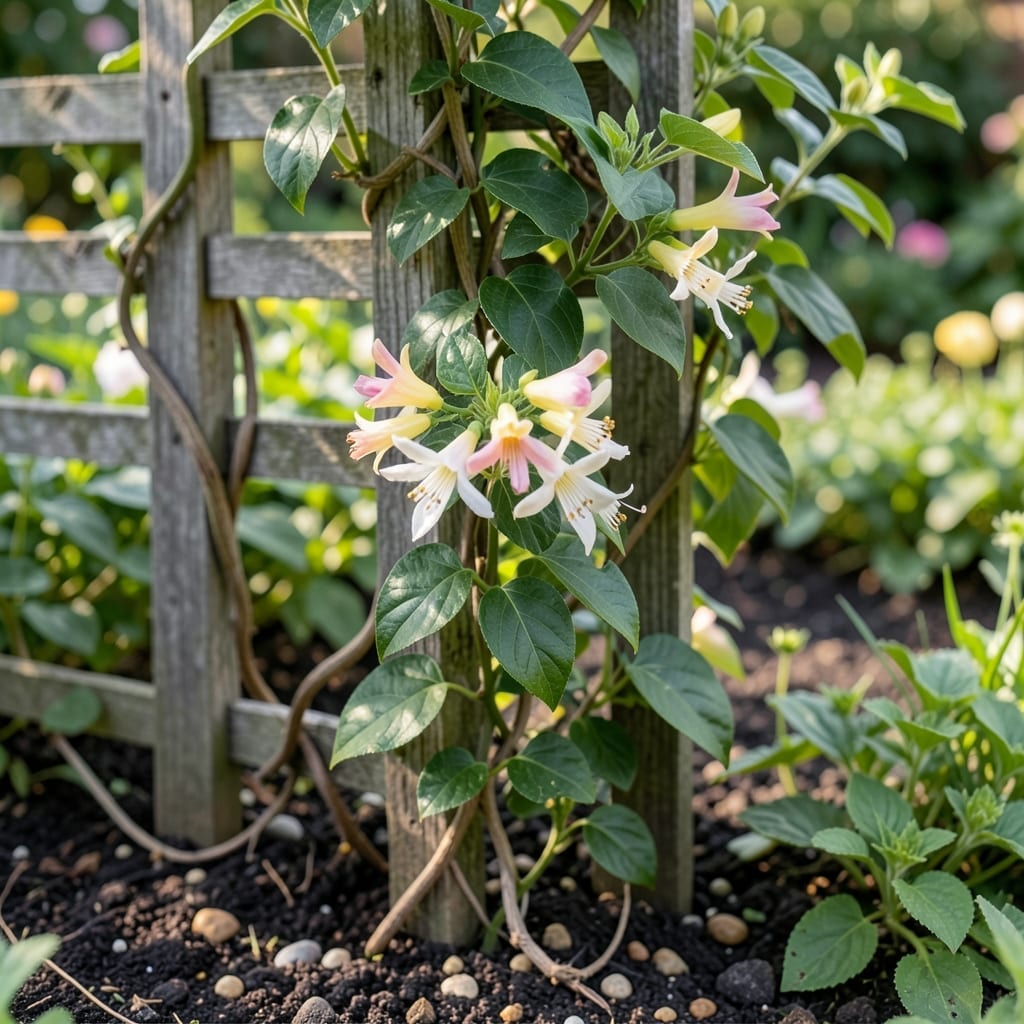
There’s nothing quite like the sweet fragrance of 🌸Honeysuckle filling your garden, but timing is everything to catch its stunning display. Different varieties bloom on their own schedule, making the experience unique.
Understanding when your Honeysuckle will flower helps you plan and prepare for its beauty. Whether you’re a seasoned gardener or just starting, knowing these timelines can make all the difference.
Discover the seasonal patterns and factors that influence blooming, so you can enjoy these vibrant flowers at their peak. Let’s explore what makes Honeysuckle so special.
If you’re wondering when honeysuckle flowers, the answer depends on the variety. Most types bloom from late spring to early summer, but some, like winter honeysuckle, surprise with late fall or winter blooms. ☀️
Climate plays a huge role, too. In warmer zones (USDA 7-10), expect flowers as early as April or May. Cooler regions (zones 4-6) often see blooms in June or July. Timing also shifts with care and environment. 🌿
| Variety | Blooming Period | Notes |
|---|---|---|
| Japanese Honeysuckle | June – September | Long bloom season, fragrant |
| Trumpet Honeysuckle | May – July | Native to US, attracts hummingbirds |
| Winter Honeysuckle | December – March | Cold-hardy, blooms in winter |
| Coral Honeysuckle | April – June | Early bloomer, red-orange flowers |
| Bush Honeysuckle | May – August | Non-vining, compact growth |
Trumpet honeysuckle is a favorite for its early summer blooms and hummingbird appeal. It thrives in full sun to partial shade and starts flowering in May or June, with a peak in early summer. ✂️
Japanese honeysuckle is a long-season performer, often blooming from June through September. Its intoxicating fragrance is strongest in the evening, making it perfect for moon gardens. 🌙
For year-round interest, winter honeysuckle is a standout. It blooms from December to March, offering scented white flowers when most plants are dormant. It’s ideal for mild winter climates in zones 7-9. 🌱
In cooler climates, Coral honeysuckle is a great choice. It starts blooming in April or May and produces vibrant red-orange flowers that attract pollinators like bees and butterflies. 🌻
Bush honeysuckle is perfect for smaller gardens. It blooms from May to August and doesn’t require a trellis. Its compact size makes it great for borders or containers. 🪴
To get the most out of your honeysuckle, plant in well-draining soil and provide support for climbing varieties. Most types prefer 6+ hours of sunlight daily for optimal blooming. ☀️
If your honeysuckle isn’t flowering, check its light exposure and pruning schedule. Prune right after blooming to avoid cutting off next year’s flower buds. This simple step can dramatically improve your plant’s performance. ✂️
Several key factors determine when honeysuckle flowers. Sunlight exposure tops the list—most varieties need 6+ hours of sun daily for robust blooming. Without enough light, expect fewer or delayed flowers. ☀️
Pruning timing also plays a critical role. Prune right after blooming to avoid removing next year’s flower buds. Late pruning can delay or reduce the next season’s display. ✂️
Soil quality can’t be overlooked. Honeysuckle thrives in well-draining, slightly acidic soil. Heavy clay or soggy conditions may stunt growth and limit flowering. 🌿
Watering habits impact blooming too. Keep soil consistently moist but not soggy. Drought stress can cause bud drop, while overwatering leads to root rot. 💧
A balanced fertilizer applied in spring and summer encourages healthy growth and abundant blooms. Use a 10-10-10 formula every 4-6 weeks for best results. Avoid high-nitrogen feeds, which promote leafy growth over flowers. 🪴
Finally, climate and location influence timing. In warmer zones, blooms may appear weeks earlier than in cooler areas. Even microclimates in your garden can create variations in flowering time.