
Beautiful Plants For Your Interior
Beautiful Plants For Your Interior
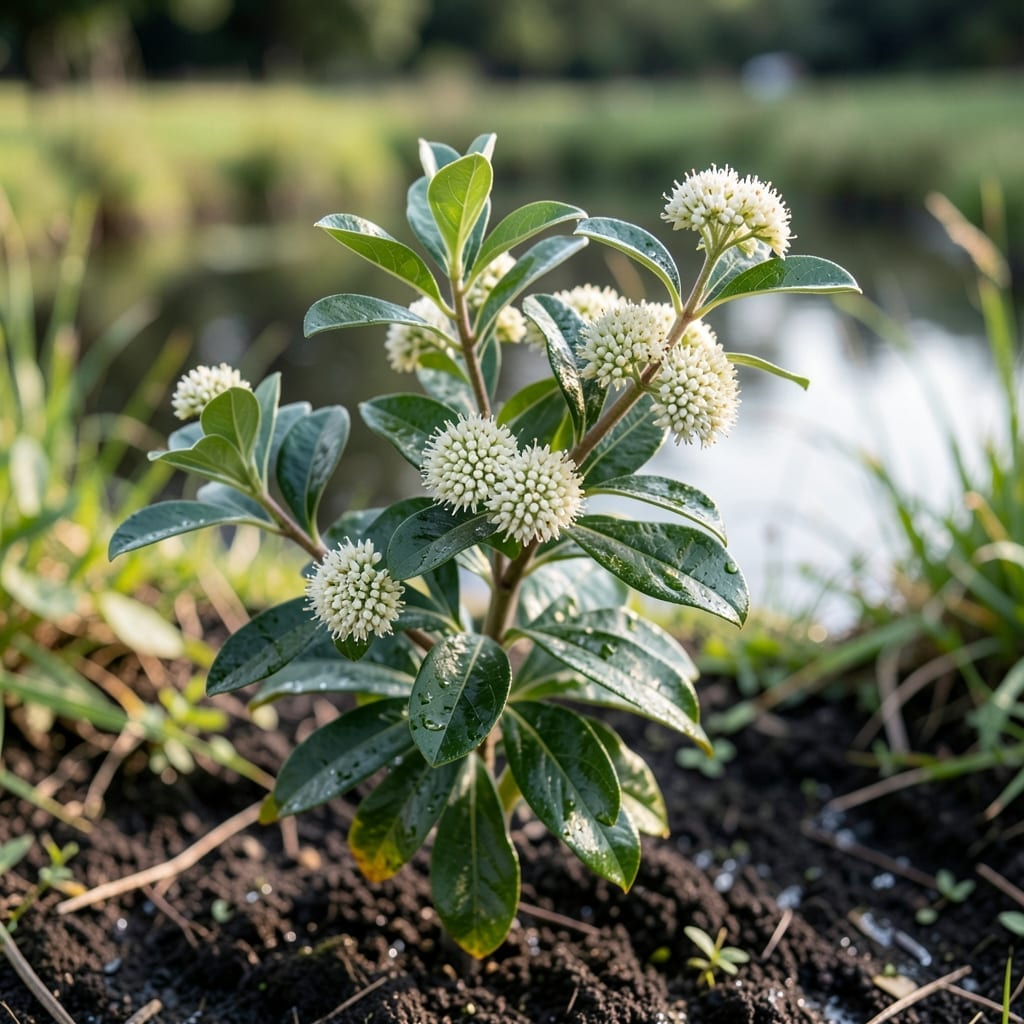
Buttonbush 🌿 is a garden favorite, and its unique spherical flowers are a sight to behold. But timing is everything when it comes to enjoying its beauty.
If you’ve ever wondered when this native shrub bursts into bloom, you’re not alone. Understanding its seasonal rhythm helps you plan and care for it better.
I’ll walk you through the typical blooming window, so you know exactly when to expect those striking white clusters. It’s easier than you might think to sync with its natural cycle.
Discover how to make the most of Buttonbush in your landscape. Let’s get started.
If you’re growing Buttonbush in your garden, you’ll want to mark your calendar for its blooming season. This native shrub typically produces its iconic spherical flowers during the warmer months. 🌿
In most regions, you can expect blooms from June through September, with the peak flowering period often occurring in July. The exact timing can vary based on your USDA zone and local climate conditions.
| Region | Bloom Start | Bloom Peak | Bloom End |
|---|---|---|---|
| Northern Zones (5-6) | Late June | July | Early September |
| Mid Zones (7-8) | Early June | Mid July | Late August |
| Southern Zones (9-11) | May | June | Late July |
In cooler northern zones, like USDA 5-6, blooming starts a bit later, often in late June. The flowers may last until early September, giving you a solid window to enjoy them.
For moderate climates in zones 7-8, Buttonbush typically begins blooming in early June, with the peak occurring in mid-summer. This region often sees the most consistent and vibrant displays.
If you’re in the warmer southern zones like 9-11, expect blooms as early as May. The season may wrap up by late July, but the earlier start makes up for the shorter duration.
Climate plays a big role in bloom timing. A mild spring can encourage earlier flower development, while a late frost might delay the process. I’ve noticed that in years with consistent rainfall, the blooms seem fuller and last longer.
Soil moisture is another key factor. Buttonbush thrives in moist to wet conditions, so if your area experiences drought, the blooming period might be shorter or less intense. 💧
The spherical flower clusters are not just beautiful—they’re magnets for pollinators. Bees and butterflies flock to them, making Buttonbush a fantastic addition to wildlife-friendly gardens.
To maximize your Buttonbush blooms, ensure it’s planted in a spot with full sun to partial shade. This shrub isn’t overly fussy, but it does best when given the right conditions to show off its flowers. ☀️
To get the most from your buttonbush blooms, timing and care are everything. This native shrub thrives with consistent moisture and the right sunlight, which directly impact its flowering.
I’ve found that proper pruning after the bloom cycle encourages stronger growth for next season. But don’t overdo it—light trimming is all it needs to stay healthy and vibrant.
Buttonbush loves wet soil conditions, so if your garden dries out quickly, consider adding organic mulch to retain moisture. This simple step can make a huge difference in bloom quality.
A balanced 10-10-10 fertilizer applied in early spring gives it the nutrients it needs. Avoid heavy feeding later in the season, as this can reduce flowering.
If your shrub isn’t blooming, check for shade issues or poor drainage. Buttonbush needs good air circulation and sunlight to produce its signature spherical flowers.
With these tips, you’ll enjoy longer-lasting blooms and a healthier, more resilient plant. It’s all about working with its natural rhythm. 🌻