
Beautiful Plants For Your Interior
Beautiful Plants For Your Interior
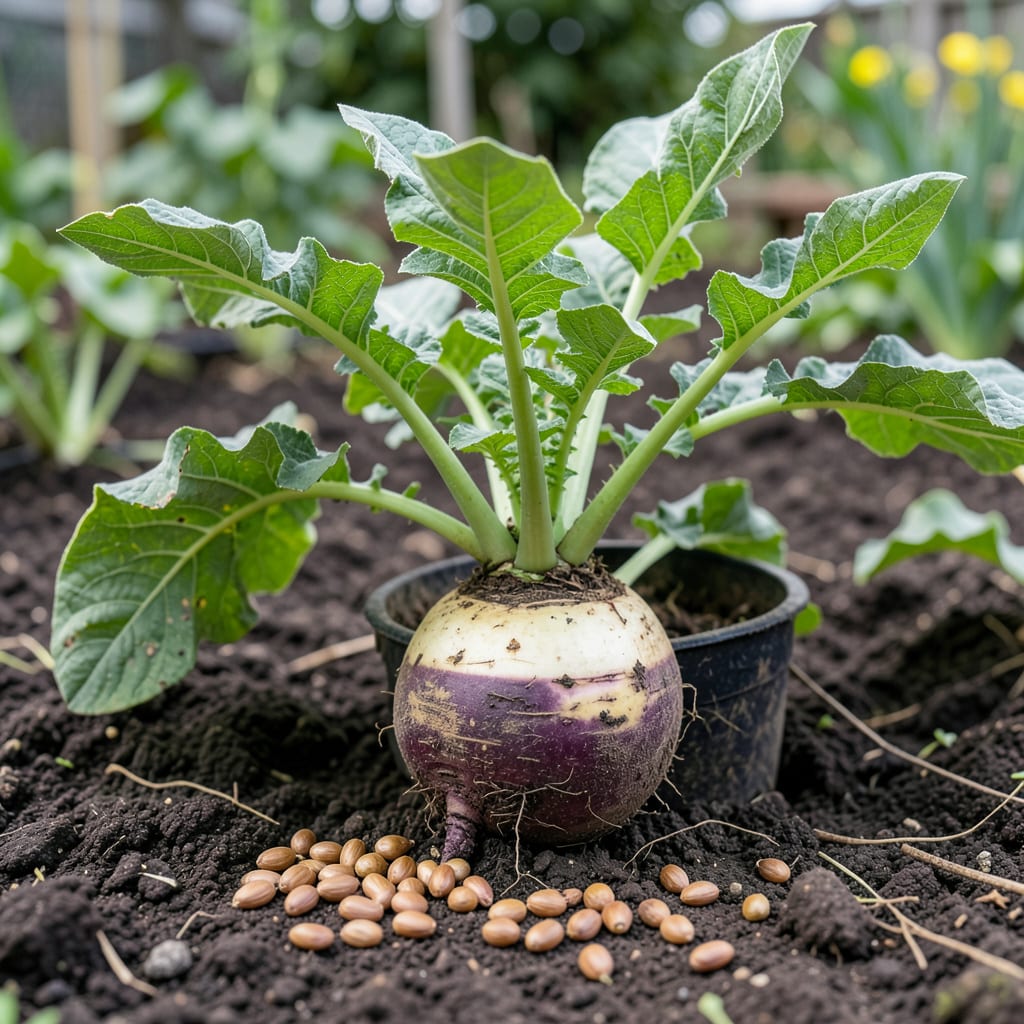
As summer fades, it’s time to think about planting turnips 🥕 for a delicious fall harvest. In USDA zone 6, the ideal time to sow turnip seeds is 6-8 weeks before the first frost, typically around late August or early September.
This timing allows the turnips to mature before winter sets in, giving you a bountiful harvest of tasty greens and roots. By understanding the optimal planting window and following a few simple tips, you can enjoy a successful turnip crop this fall.
When it comes to planting turnips in the fall, timing is everything. The ideal time to sow turnip seeds is 6-8 weeks before the first frost, allowing them to mature before winter sets in. In USDA zone 6, this typically falls in late August or early September.
Understanding the optimal planting window is crucial for a successful harvest. Turnips require 45-70 days to mature, depending on the variety. By planting at the right time, you can enjoy a bountiful harvest of delicious greens and roots.
The first frost date is a critical factor in determining when to plant turnips in the fall. This date varies by region, so it’s essential to check the specific frost date for your area. In general, turnips prefer cooler temperatures and can tolerate light frosts, making fall an ideal time for cultivation.
To ensure a successful harvest, it’s also important to consider the maturity days of the specific turnip variety you’re growing. Most turnips take between 45-70 days to mature, so count back from your first frost date accordingly.
For example, if your first frost date is October 15, you should plant turnips around August 25 to September 5. This allows the turnips to mature before the cold weather sets in.
In addition to timing, soil temperature plays a crucial role in turnip cultivation. Turnips prefer soil temperatures between 40°F and 75°F (4°C and 24°C) for optimal growth. In the fall, soil temperatures are typically within this range, making it an ideal time for planting.
When planting turnips in the fall, it’s also important to choose a variety that is resistant to bolting. Some turnip varieties are bred specifically for fall production and are more resistant to bolting, which can occur when plants are exposed to cold temperatures.
By understanding these factors and planning accordingly, you can enjoy a successful fall turnip harvest. Whether you’re growing turnips for their greens or roots, the key is to plant at the right time and provide optimal growing conditions.
For a more detailed understanding of regional considerations, we’ll explore how different geographic locations affect fall turnip planting in the next section.
Successful fall turnip cultivation requires careful planning and attention to detail. By following these guidelines and understanding the specific needs of your turnip crop, you can enjoy a bountiful harvest this fall 🌼.
When planting turnips in the fall, it’s essential to consider regional factors that can impact your harvest. Different geographic locations have unique climate conditions, soil temperatures, and weather patterns that can affect turnip growth 🌱.
By understanding these regional considerations, you can adjust your planting schedule and growing conditions to optimize your fall turnip harvest. For example, in areas with milder winters, you may be able to plant turnips later in the season, while in areas with colder winters, you may need to plant earlier.
In USDA zone 6, the ideal time to plant turnips is late August to early September. However, this can vary depending on your specific location and climate conditions. Be sure to check the average frost date for your area and plan accordingly.
When planting turnips in different regions, it’s also essential to consider the soil type and quality. Turnips prefer well-draining, loose soil with a pH between 6.0 and 7.0. Adjust your soil preparation accordingly to ensure optimal growing conditions.
By taking these regional considerations into account, you can enjoy a successful fall turnip harvest, regardless of your location 🌼.
For more specific guidance on growing turnips in your area, consult with local gardening experts or check online resources for region-specific advice.
With careful planning and attention to regional factors, you can enjoy a bountiful harvest of delicious turnips this fall 🥕.
When it comes to growing turnips in the fall, understanding the key factors that contribute to a successful harvest is crucial. While timing and regional considerations are vital, there are additional best practices to keep in mind to ensure a healthy and productive turnip crop.
One of the most important aspects of successful fall turnip cultivation is soil preparation. Turnips prefer well-draining, loose soil with a pH between 6.0 and 7.0. To achieve this, I recommend testing your soil to determine its pH level and nutrient content. Based on the results, you can amend the soil as needed to create an optimal growing environment 🌱.
For optimal turnip growth, ensure the soil is free of debris and rich in organic matter. This will help retain moisture and suppress weeds.
In addition to soil preparation, sowing depth and spacing are critical factors to consider. Sow turnip seeds ¼ inch deep and 1-2 inches apart in rows that are 12-18 inches apart. This will give the seedlings enough room to grow and develop properly.
Watering is another essential aspect of turnip cultivation. Keep the soil consistently moist during the first few weeks after sowing. As the plants grow, you can gradually reduce the frequency of watering. However, ensure the soil remains moist but not waterlogged, as this can lead to root rot and other problems.
Pest management is also crucial for a successful turnip harvest. Keep an eye out for pests like aphids, flea beetles, and root maggots, which can damage the plants. Use organic pest control methods whenever possible to minimize harm to beneficial insects and the environment.
By following these best practices and being mindful of the specific needs of your turnip crop, you can enjoy a bountiful harvest of delicious greens and roots this fall 🥕.
To further optimize your turnip cultivation, consider implementing a crop rotation plan. This will help maintain soil health and reduce the risk of pests and diseases. By rotating your crops, you can create a more balanced and sustainable gardening ecosystem.
For more specific guidance on growing turnips in your area, consult with local gardening experts or check online resources for region-specific advice. With careful planning and attention to detail, you can enjoy a successful fall turnip harvest 🌼.
Check local gardening resources, such as extension offices or online gardening communities, for specific frost date information. You can also use online frost date calculators by entering your zip code. This information helps you plan your turnip planting schedule accurately .
Yes, turnips can be grown in containers! Choose a container that’s at least 6-8 inches deep to accommodate the roots. Use a well-draining potting mix and keep the soil consistently moist. Containers can be moved to protected areas if frost is expected .
Keep the soil consistently moist during the first few weeks after sowing. As the plants grow, you can gradually reduce the frequency of watering to about 1-2 inches per week. Avoid waterlogging, which can lead to root rot .
Watch out for aphids, flea beetles, and root maggots, which can damage turnip plants. Use organic pest control methods whenever possible to minimize harm to beneficial insects. Regular monitoring helps catch infestations early .
