
Beautiful Plants For Your Interior
Beautiful Plants For Your Interior
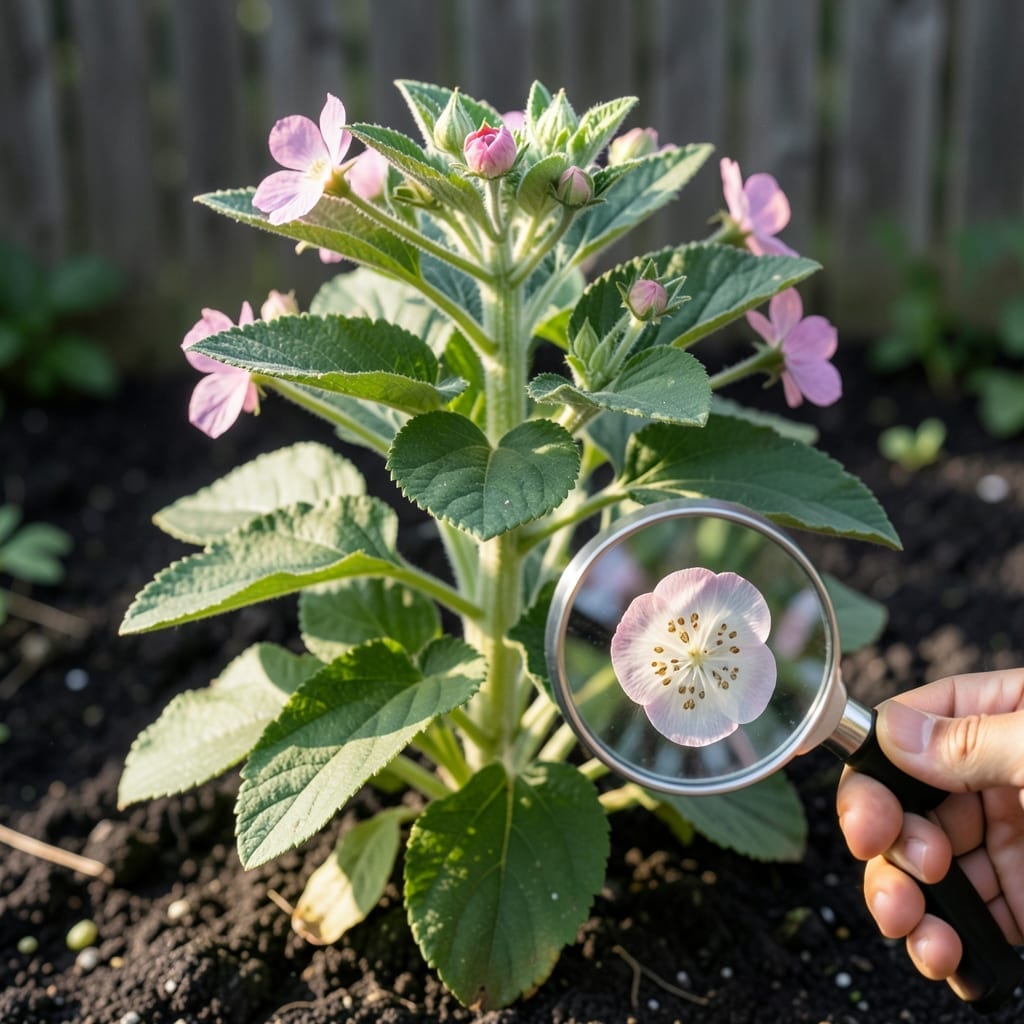
Seeds in flowering plants begin forming after successful pollination and fertilization, typically within days to weeks as the fertilized ovule develops into a seed inside the ovary.
I’ve watched this happen countless times in my garden—the magic starts when pollen meets stigma, triggering a cascade that transforms ovules into new seeds. 🌟 What’s fascinating is how environmental factors like temperature and humidity can speed up or slow down this process, sometimes by several days. Gardeners can support this by ensuring healthy plants and abundant pollinators.
💡 In This Article
Here’s what’s actually happening: Pollen lands on the stigma, then a pollen tube grows down the style to reach an ovule. This journey can take 6-48 hours depending on the plant species. Once the sperm cell fertilizes the egg cell inside the ovule, the real transformation begins. 🔥
The fertilized ovule immediately starts dividing cells, forming the embryo. Simultaneously, the surrounding ovary tissue begins developing into the fruit. In tomatoes, this entire process from pollination to visible seed formation takes about 10-14 days. The speed varies—corn seeds may show development in 24-48 hours, while apple seeds take 4-6 weeks. ✨
Temperature plays a crucial role in this timeline. Most flowering plants show optimal fertilization at 70-85°F. Cooler temperatures slow the pollen tube growth, sometimes doubling the time needed. I’ve noticed in my garden that beans planted in early spring take nearly 2 weeks longer to show seed pods than those planted in summer warmth.
What many gardeners overlook is the role of plant hormones. After fertilization, auxins and gibberellins surge through the ovary, signaling the plant to retain rather than shed the developing seeds. This hormonal shift is what makes the difference between a fertilized ovule becoming a seed versus being aborted by the plant.
Water availability also impacts the process. Drought conditions can cause 50% or more of fertilized ovules to abort in some species. The plant prioritizes its survival over seed production when stressed. This is why consistent watering during flowering is so critical for seed formation. 💫
Different flowering plants have evolved unique adaptations. Orchids may take 6-8 months from pollination to seed maturity, while poppies can complete the entire process in just 2-3 weeks. These variations reflect each species’ evolutionary strategy for reproduction success.
Seed development begins immediately after fertilization, with cell division starting within hours. Visible seed formation typically appears in 3-14 days, depending on the plant species and environmental conditions.
The fertilized ovule receives hormonal signals, primarily auxins and gibberellins, that initiate seed development. Without successful pollination and fertilization, the ovule will not transform into a seed.
No, seeds cannot form without pollination and fertilization in flowering plants. Some plants produce seedless fruit through parthenocarpy, but true seeds require fertilization of the ovule.
Common reasons include lack of pollination, temperature extremes, or drought stress. Plants may also abort developing seeds if conditions aren’t optimal for their survival.