
Beautiful Plants For Your Interior
Beautiful Plants For Your Interior
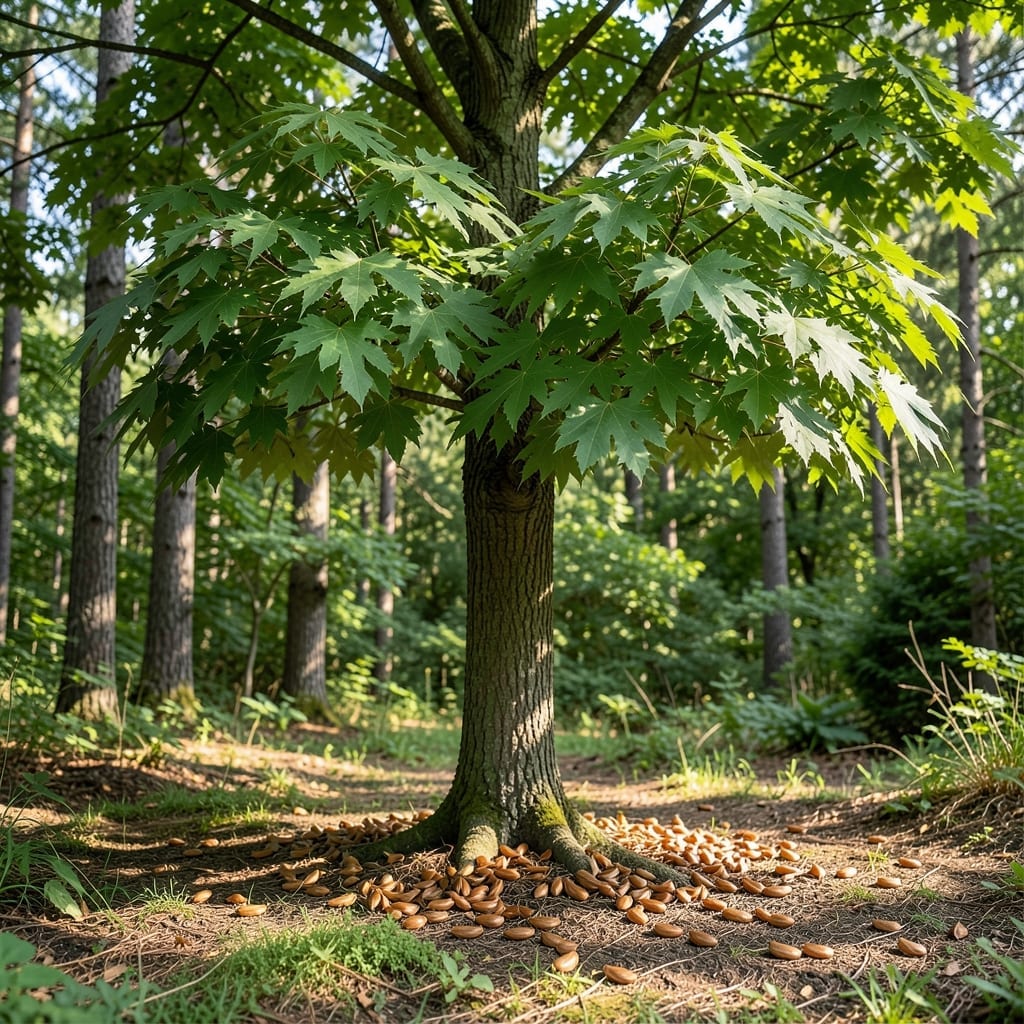
There’s something magical about watching those spinning helicopter seeds drift down from a Maple Tree 🌳 each year. But when exactly does this natural spectacle occur?
As a gardener, knowing the timing can make all the difference. It’s not just about aesthetics – it’s about catching the seeds at their peak for propagation.
I’ve learned that the drop timing varies by species and climate, with most Maple Trees releasing their seeds in late summer or early fall.
Let me walk you through the key factors that determine when those iconic samaras will start twirling to the ground.
Maple trees don’t all drop their seeds at the same time, and I’ve found that timing depends heavily on the species and your local climate. In general, most maples release their signature helicopter seeds in late summer or early fall. 🌳
The process starts with flowering in spring, followed by seed development through summer. By September or October, those iconic samaras are usually ready to twirl down. But there are exceptions, and some species like red maples may start earlier.
| Maple Species | Seed Drop Time |
|---|---|
| Sugar Maple | Late September to October |
| Red Maple | August to September |
| Silver Maple | May to June |
| Norway Maple | September to October |
In my experience, sugar maples are the most consistent, typically dropping seeds in late September through October. This aligns with their fall color change, making it easy to spot when they’re ready.
Red maples, however, often start earlier—sometimes as soon as August. I’ve noticed their seeds mature faster, especially in warmer climates where spring arrives early.
The silver maple is the outlier. It often drops seeds in late spring to early summer, usually May or June. This early timing can catch gardeners off guard if they’re not paying attention.
Norway maples tend to follow a similar schedule to sugar maples, with seeds falling in September or October. Their seeds are slightly larger, which can make them easier to collect for propagation.
Climate plays a huge role too. In cooler northern regions, seed drop may be delayed by a few weeks. Conversely, in southern areas with milder falls, seeds might start falling a bit earlier. ☀️
I always recommend checking your local maple trees in late summer for the first signs. Look for brown, dry samaras that detach easily from the tree—this is your cue that the drop is imminent.
For gardeners looking to collect seeds, timing is everything. The best window is usually just before the peak drop, when seeds are fully mature but haven’t all fallen yet. This gives you the freshest material for propagation. 🌱
While the species of maple tree is the primary factor, I’ve found that several environmental triggers can affect when those helicopter seeds begin their descent. Weather patterns play a huge role in this natural process. 🌳
Temperature fluctuations and daylight changes signal to the tree that it’s time to release its seeds. A warm spring followed by a cool summer often leads to an earlier seed drop.
The maturity of the tree also matters. I’ve noticed that younger maples (under 10 years) may not produce as many seeds or may drop them later in the season compared to mature trees.
Pollination success is another critical factor. A cold snap during flowering in early spring can reduce seed production, leading to a sparser drop later in the year.
Regional climate differences can shift the timeline significantly. In the Pacific Northwest, cool summers might delay seed drop until late October, while in the Southeast, seeds may start falling in late August. ☀️
I always watch for visual cues like brown, crispy samaras and drying seed clusters. These signs indicate the seeds are nearly ready to fall, giving me a 1-2 week window to prepare for collection.
For the best results, I recommend monitoring your local maple trees starting in mid-summer. Keep an eye on weather forecasts too – a dry spell followed by cool nights often triggers the drop. 🌱