
Beautiful Plants For Your Interior
Beautiful Plants For Your Interior
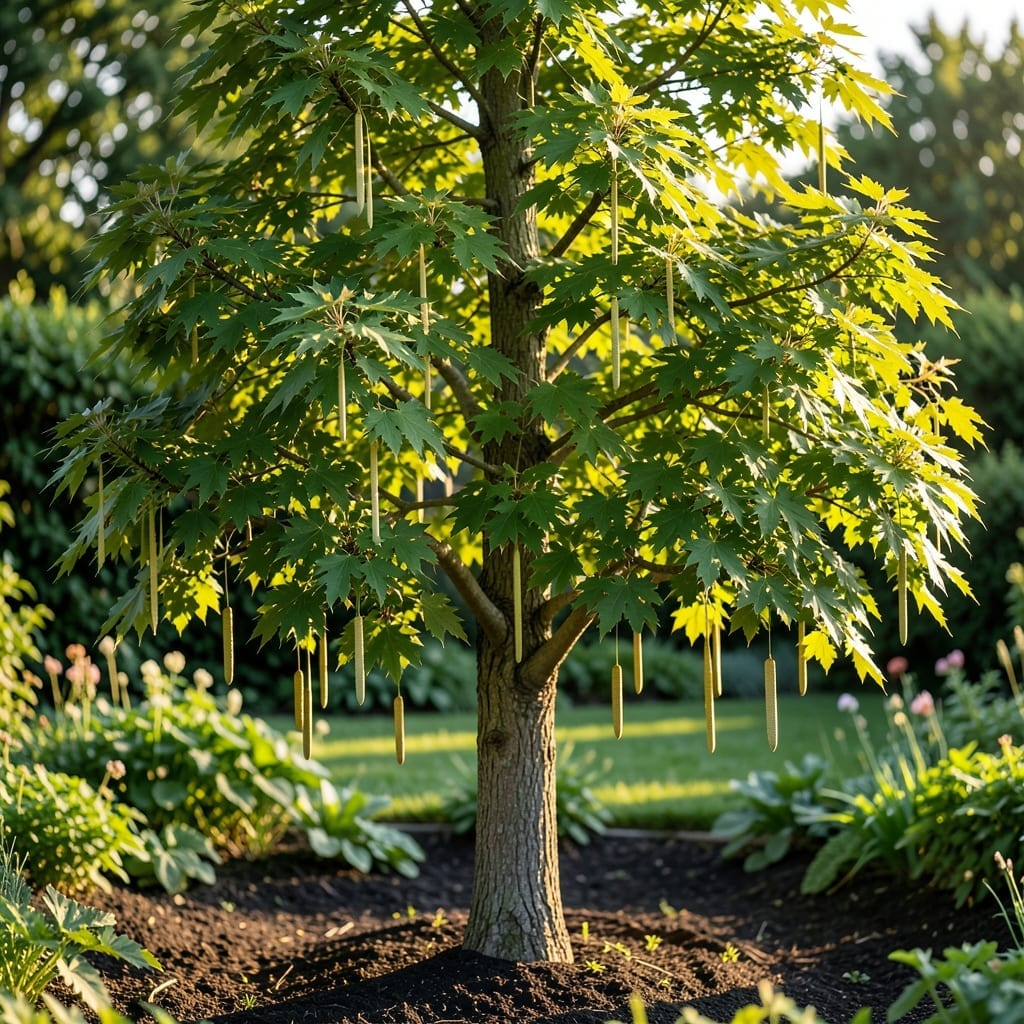
Helicopter seeds, those whirling maple samaras, captivate gardeners with their unique flight. But knowing exactly when they fall is the key for collection or propagation.
If you’ve ever watched a 🌳 Maple Tree in autumn, you’ve seen nature’s perfect timing in action. These seeds don’t drop randomly – there’s a precise seasonal rhythm at play.
I’ll show you when to expect this annual show and how to make the most of it. Whether you’re planting new trees or just admiring nature’s design, timing matters.
Discover the best moments to gather these spinning wonders and why they choose this particular time of year to take flight.
If you’ve ever watched helicopter seeds twirl to the ground, you know they’re a fascinating part of maple tree reproduction. The timing of their fall depends on several factors, including species and climate zone. Most gardeners notice them in late summer or early fall. 🌳
In cooler northern regions, like USDA Zones 3-5, sugar maples and red maples typically drop their seeds from September to October. Warmer climates, such as Zones 6-8, may see this happen a bit earlier, often starting in late August. 🌿
| Maple Species | Typical Seed Fall | USDA Zones |
| Sugar Maple | September-October | 3-8 |
| Red Maple | Late August-October | 3-9 |
| Silver Maple | August-September | 3-9 |
| Norway Maple | September-October | 3-7 |
Weather plays a huge role in seed drop timing. A dry late summer can speed up the process, while excessive rain might delay it. I’ve noticed that strong winds or early frosts often trigger a sudden release of seeds, creating that iconic helicopter effect. ✂️
For silver maples, which thrive in wetter soils, seeds often fall a bit earlier than other species. In my experience, they can start dropping as early as mid-August in some regions. This early timing gives them a head start on germination before winter sets in.
If you’re in Zone 9 or 10, you might see helicopter seeds falling as late as November. The longer growing season allows maples to hold onto their seeds a little longer. However, drought conditions can cause earlier than usual seed drop.
It’s also worth noting that younger trees may produce fewer seeds, and their drop timing can be less predictable. Mature maples, especially those over 10-15 years old, tend to have a more consistent annual seed drop pattern.
For gardeners looking to collect seeds, timing is everything. I recommend checking your local maple trees starting in late August and watching for the first signs of brown, dry samaras. That’s when they’re ready to harvest. 🌱
Finally, remember that urban environments can affect seed fall too. Heat islands in cities might cause seeds to drop earlier, while shaded areas could delay the process. Observing your specific trees year after year will give you the best sense of their unique rhythm.
Collecting helicopter seeds at the right time ensures the best germination rates for your maple trees. I always watch for dry, brown samaras that detach easily from the tree, typically in late summer to early fall.
This timing varies slightly by climate zone and maple species, but the visual cues are consistent. When the seeds spin freely in the wind, they’re ready for collection and storage.
The key to successful storage is keeping the seeds completely dry. I use paper envelopes or mesh bags to allow airflow while protecting them from pests. Avoid plastic, as it can trap humidity and cause mold.
For planting, stratify the seeds by placing them in a moist paper towel inside a sealed container in the fridge for 60-90 days. This mimics winter and boosts germination when planted in spring.
Remember, fresh seeds have the highest viability, so plant within 6 months of collection. If stored properly, they can remain viable for 1-2 years, but germination rates drop over time.
By following these steps, you’ll maximize your chances of growing healthy maple saplings from your collected helicopter seeds. 🌱