
Beautiful Plants For Your Interior
Beautiful Plants For Your Interior
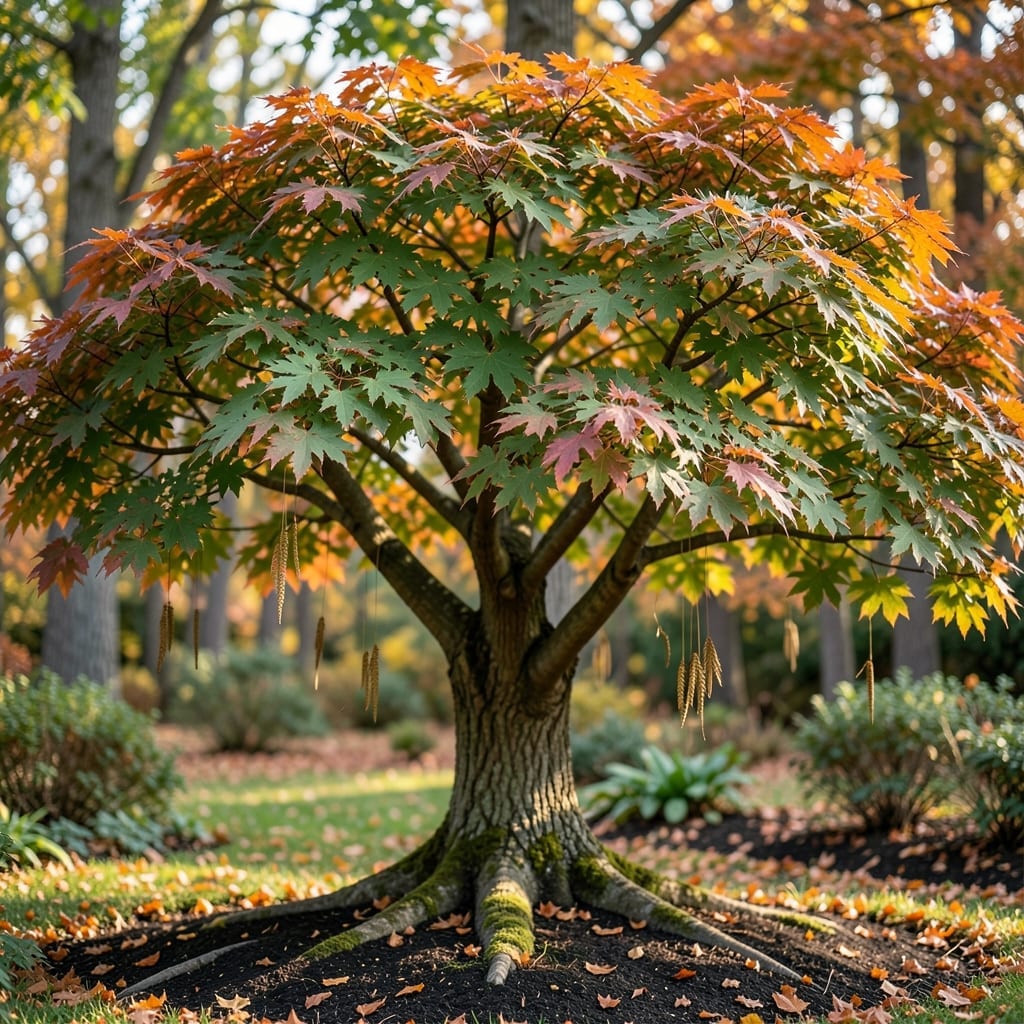
There’s something magical about watching 🌳Maple Tree seeds spiral down like nature’s tiny helicopters. But if you’ve ever wondered exactly when this happens, you’re not alone.
While timing varies by species and climate, most Maple Trees follow a predictable pattern tied to seasonal changes. Understanding this cycle can help you plan for seed collection or landscape care.
Discover what influences the timing and how you can make the most of this natural phenomenon in your own yard. Let’s explore the fascinating world of Maple Tree reproduction.
If you’ve ever wondered when maple trees drop seeds, the answer depends on the species. Each type follows its own seasonal rhythm, typically releasing its helicopter-like samaras in late spring to early fall.
I’ve noticed that sugar maples often start dropping seeds in early summer, while red maples may begin as early as late spring. The timing can shift based on climate and local conditions.
| Maple Variety | Seed Drop Timing | Notes |
|---|---|---|
| Sugar Maple | Early to mid-summer | Seeds mature June-July in most regions |
| Red Maple | Late spring to early summer | Often April-May in warmer zones |
| Silver Maple | Late spring | Early variety, drops May-June |
| Norway Maple | Early summer | Typically June-July after flowering |
Silver maples are among the earliest, often dropping seeds in late spring, while Norway maples tend to follow in early summer. These variations help gardeners anticipate when to expect the iconic whirling samaras.
In my experience, warmer climates can accelerate seed drop by 2-3 weeks compared to cooler regions. For example, a red maple in USDA Zone 7 may release seeds in April, while the same tree in Zone 4 might wait until June.
The process begins with flowering in spring, followed by seed development. Once the samaras turn brown and dry, they’re ready to detach. This usually happens 4-6 weeks after pollination, but timing varies by species.
I recommend checking your local maple trees in late May through July for the best chance of catching the seed drop. The helicopter seeds are easiest to collect when they’re fully brown and just beginning to fall.
Drought conditions can delay seed drop, while wet springs may speed it up. Observing your trees year-to-year helps you predict their patterns. I’ve found that consistent moisture leads to more reliable timing.
For gardeners hoping to propagate maples, timing is everything. Collect seeds when they’re dry and brown but before they hit the ground. This ensures the highest viability for planting or sharing with fellow tree enthusiasts.
Remember, these are general guidelines. Your local microclimate and tree health play big roles. When in doubt, keep an eye on the samara color and weather patterns for the clearest signals.
Watching the cycle unfold is one of my favorite parts of gardening with maples 🌳
While each maple species has its typical seed drop window, weather conditions and geographic location can significantly shift the timeline. I’ve seen this firsthand in my own garden.
Temperature plays a major role. A warm spring can accelerate seed development, causing red maples to drop their samaras 2-3 weeks earlier than average.
Rainfall patterns also influence timing. In my experience, a dry spring can delay seed drop as the tree conserves energy. Conversely, consistent rainfall often leads to more predictable timing.
Your USDA Hardiness Zone matters too. In Zone 7, I’ve observed sugar maples dropping seeds in early June, while in Zone 4, the same species might wait until mid-July.
Microclimates add another layer of variation. A south-facing slope or urban area with heat retention might see earlier seed drop than a shaded valley just a few miles away.
To predict your tree’s timing, observe bud break in spring. Seed drop typically occurs 6-8 weeks after the first leaves appear, though this varies by species and conditions.
Tracking these patterns year-to-year helps me anticipate the helicopter seed show in my own backyard 🌳