
Beautiful Plants For Your Interior
Beautiful Plants For Your Interior
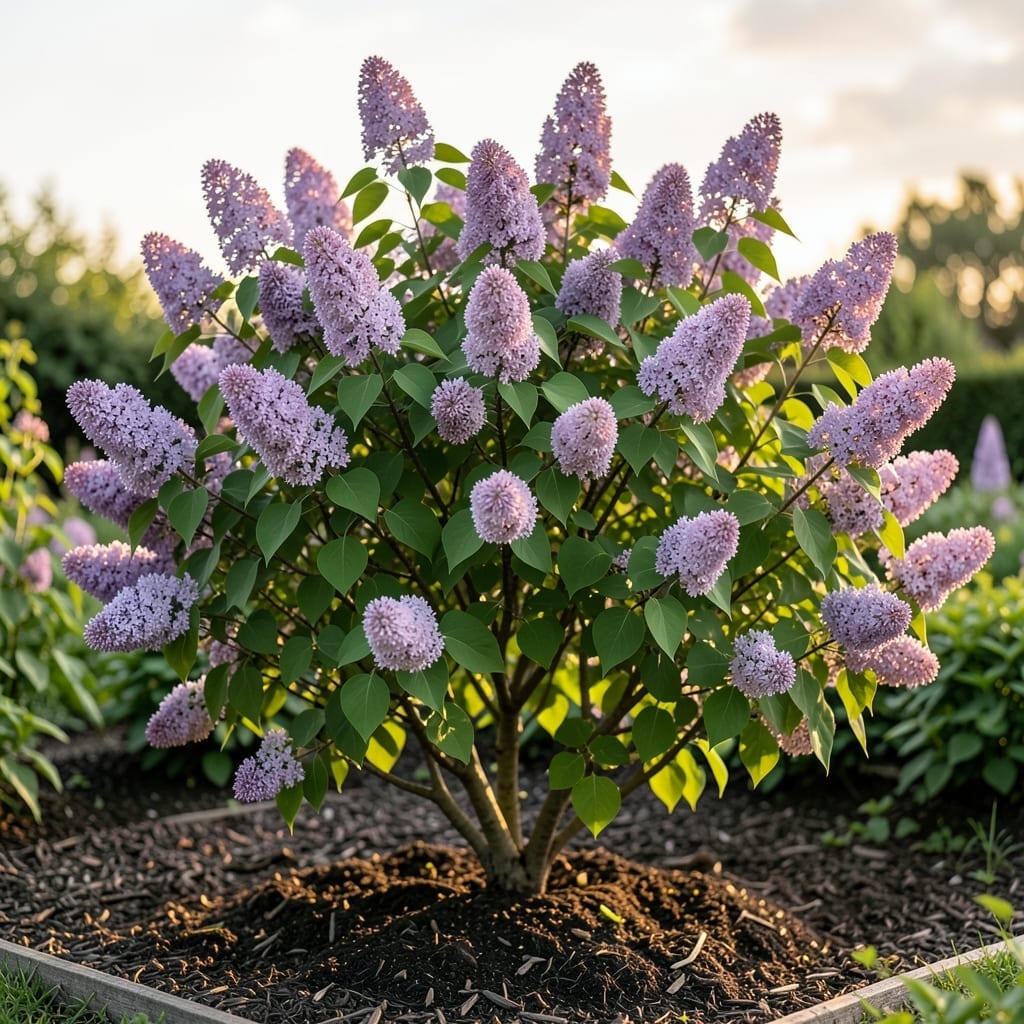
Nothing signals the arrival of spring like the fragrant blossoms of 🌸 Lilac bushes. Their blooming season varies by type and climate, making timing a bit of a mystery for some gardeners.
Understanding when your lilacs will flower helps you plan your garden’s color and scent timeline all season long. It’s not just about beauty—it’s about maximizing your outdoor space.
Discover the typical blooming windows and how to spot the first signs of those gorgeous flowers. Let me guide you through what to expect.
As a gardener, I’ve learned that lilac blooming times vary significantly by variety. The classic Syringa vulgaris, or common lilac, typically blooms in mid to late spring, usually around April or May. However, timing shifts based on your USDA zone and local climate conditions. 🌿
For earlier blooms, Syringa meyeri, or the dwarf Korean lilac, often starts flowering in early spring. Meanwhile, Syringa pubescens tends to bloom a bit later, stretching into early summer in cooler regions. Understanding these differences helps you plan a staggered blooming garden. 🌱
| Variety | Blooming Season | Key Notes |
|---|---|---|
| Syringa vulgaris | Mid to late spring | Classic fragrant blooms |
| Syringa meyeri | Early spring | Dwarf variety, compact |
| Syringa pubescens | Late spring to early summer | Tolerates cooler climates |
| Syringa reticulate | Early summer | Japanese tree lilac |
In my experience, warmer climates like USDA zones 7-9 see lilacs bloom 1-2 weeks earlier than cooler zones. Conversely, in zones 3-5, blooms may appear closer to late May or early June. This variation is why local knowledge is key. ☀️
I always recommend tracking your last frost date as a guideline. Lilacs generally bloom 2-4 weeks after the last frost, depending on the variety. For example, in zone 6, where I garden, common lilacs burst into color right around Mother’s Day. 🌷
Another factor is microclimates within your yard. A south-facing wall can create a warmer pocket, prompting earlier blooms. Meanwhile, shady spots might delay flowering. Observing these nuances helps me fine-tune my garden’s timeline.
For extended blooming, I plant a mix of early, mid, and late varieties. This way, I enjoy lilac fragrance from early April through June. It’s like having a living calendar in your landscape, marking the progression of spring. ✂️
If you’re in a milder climate, like the Pacific Northwest, some lilacs may even produce a second flush of blooms in early summer. However, this is less common and often depends on pruning practices and variety selection.
Remember, young lilac bushes may take 2-3 years to produce their first blooms. Patience is key! Once established, though, they’ll reward you with decades of springtime beauty and that unmistakable, intoxicating scent. 🌿
Finally, keep an eye on bud development in early spring. When you see purple, pink, or white color emerging in the buds, you’ll know blooms are just 1-2 weeks away. It’s one of my favorite signs that spring is truly here!
I’ve found that with the right care, you can extend your lilac blooms by 1-2 weeks or even coax a second flush in some varieties. The key is timely pruning and proper aftercare after the first bloom cycle. 🌿
First, I always deadhead spent blooms immediately after they fade. This prevents the plant from putting energy into seed production and redirects it toward new flower buds. It’s a simple step that makes a big difference. ✂️
For longer bloom periods, I recommend planting multiple varieties with staggered bloom times. Combine early bloomers like Syringa meyeri with late varieties such as Syringa reticulate for continuous color. 🌱
Another trick is proper pruning timing. Lilacs set their next year’s buds right after blooming, so I always prune immediately after flowers fade. Waiting too long means cutting off potential future blooms.
In my garden, I’ve noticed that well-drained soil and consistent watering help lilacs bloom more abundantly. Avoid overhead watering to prevent fungal issues that can stress the plant and reduce flowering. 💧
Finally, don’t overlook sunlight exposure. Lilacs need 6+ hours of sun daily for optimal blooming. If your bushes aren’t flowering well, check if they’re getting enough light or consider transplanting to a sunnier spot. ☀️