
Beautiful Plants For Your Interior
Beautiful Plants For Your Interior
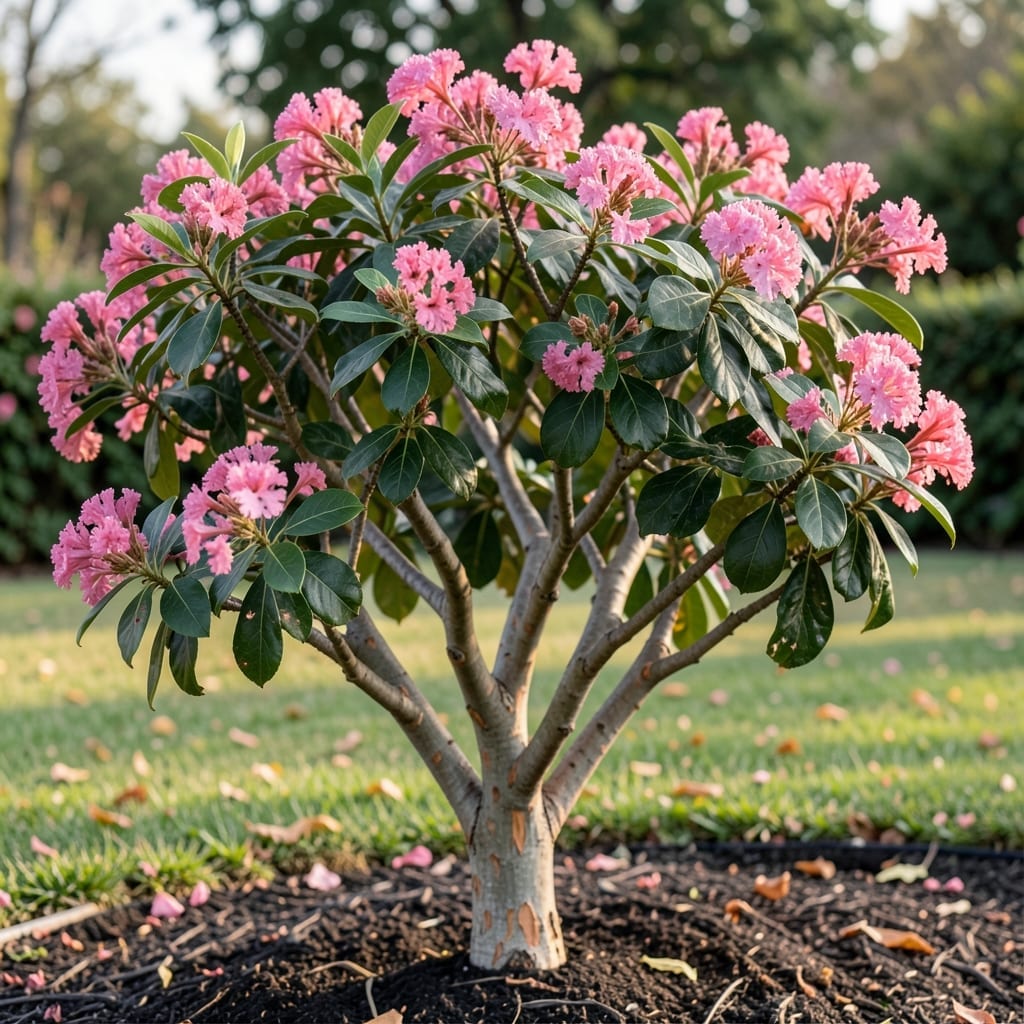
There’s nothing quite like watching your 🌳 Crape Myrtle burst into color after a long wait. These trees are famous for their vibrant summer displays, but the exact timing can surprise you.
Depending on where you live and which variety you’ve planted, you might see those first blooms anywhere from late spring to mid-summer. The differences can be dramatic.
Let me walk you through what to expect and how to make the most of your Crape Myrtle’s blooming season. You’ll be amazed at how much variety there is.
If you’ve ever admired a neighbor’s Crape Myrtle in full bloom while yours is still bare, it might just be a matter of variety and location. These trees have distinct blooming windows that shift with climate and cultivar.
In warmer USDA zones 9-10, you might see the first flowers as early as May, while cooler areas like zone 6 often wait until July for the show to begin. The differences are fascinating.
| Variety | Bloom Start | Duration | USDA Zones |
|---|---|---|---|
| Natchez | Early June | 100-120 days | 7-9 |
| Tonto | Mid-July | 80-100 days | 6-9 |
| Musketeer | Late May | 110-120 days | 7-10 |
| Dynamite | Early July | 90-110 days | 6-9 |
I’ve found that dwarf varieties like ‘Acoma’ often bloom a bit earlier than their taller cousins. Their compact size means they warm up faster in spring, triggering those first flower clusters sooner.
For gardeners in cooler climates, choosing early bloomers like ‘Hope’ or ‘Centennial Spirit’ can give you that summer color a full month sooner than other varieties. It’s all about matching the plant to your environment.
The length of bloom is just as impressive as the timing. Most Crape Myrtles will continue producing new flower panicles for 3-4 months if conditions are right. That’s months of color!
In my experience, the hottest summers produce the most spectacular displays. The trees seem to thrive on the heat, pushing out more blooms as temperatures rise. Just be sure they’re getting enough water during dry spells.
If you’re in zone 6, you might need to plant your Crape Myrtle in a sheltered location to protect it from late frosts. This can also help ensure it blooms on schedule rather than recovering from cold damage.
Remember that newly planted Crape Myrtles might take a year or two to establish their full blooming potential. Be patient – once they settle in, they’ll reward you with years of stunning color. 🌳
For the longest bloom season, I recommend planting multiple varieties with staggered bloom times. This way, you can enjoy continuous color from late spring through early fall. 🌻
While crape myrtle varieties have their typical bloom windows, several factors can shift the timeline. I’ve seen sunlight exposure make the biggest difference—trees in full sun often bloom 2-3 weeks earlier than shaded ones.
Pruning habits also play a role. Heavy pruning in late winter can delay blooms, as the plant focuses on regrowing foliage first. I always recommend light pruning to avoid this setback.
Soil conditions matter more than many realize. Crape myrtles in poorly draining soil may struggle to bloom on time. I always amend heavy clay with organic matter to improve drainage and nutrient availability.
Water stress is another common culprit. Both overwatering and underwatering can delay or reduce blooming. Aim for deep weekly watering during dry spells, tapering off as flowers appear.
I’ve noticed that younger trees (under 3 years) often bloom later than mature ones. They’re still establishing their root systems, so patience is key. Once established, they’ll bloom more reliably each year.
Finally, temperature swings can affect timing. A late spring frost might delay blooms by a few weeks, while a hot early summer can accelerate them. Keep an eye on your local weather patterns.
By controlling these factors, you can often nudge your crape myrtle to bloom earlier or more abundantly. It’s amazing how responsive these trees are to good care. 🌳