
Beautiful Plants For Your Interior
Beautiful Plants For Your Interior
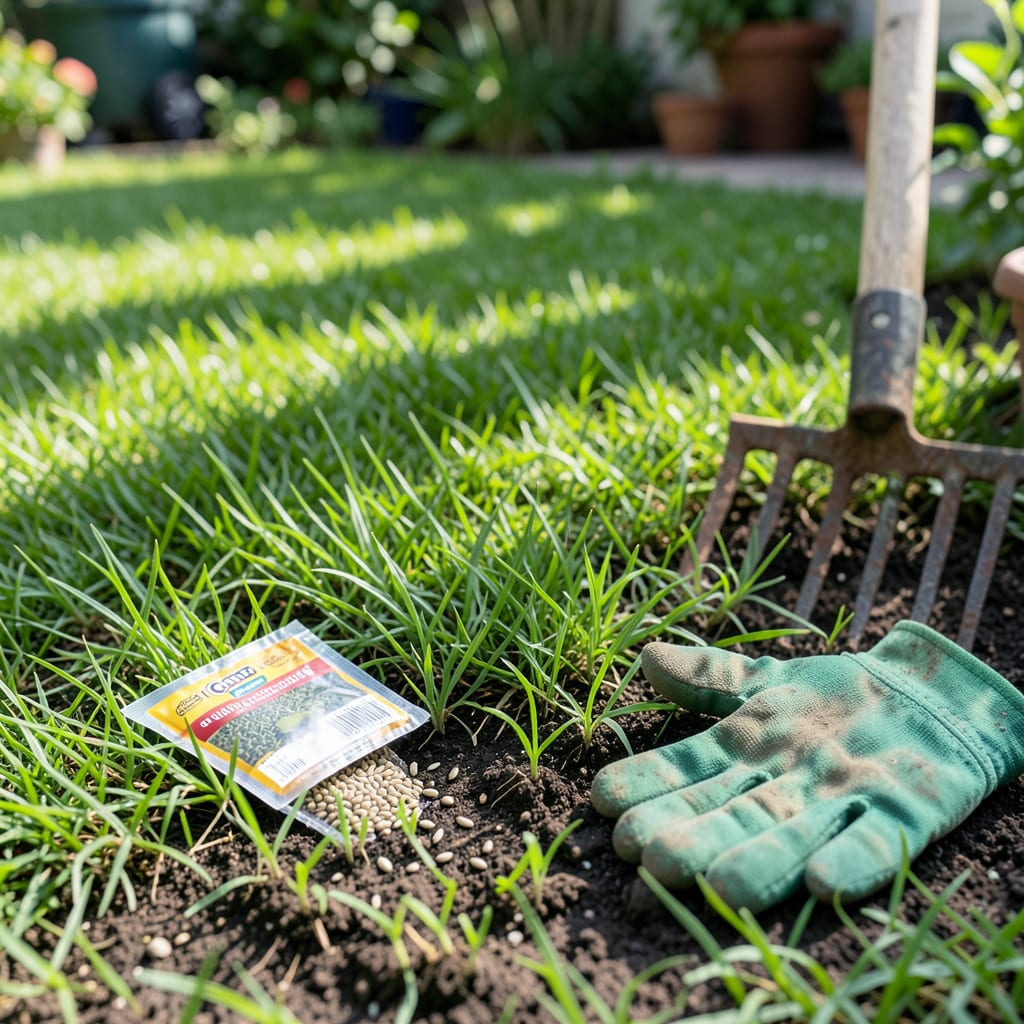
Planting grass seed 🌱 in Massachusetts requires careful timing to ensure successful germination and growth. The state’s climate varies significantly throughout the year, making it crucial to choose the right moment.
In Massachusetts, which falls within USDA Zone 6a, the ideal time to plant grass seed is during the fall season, specifically between mid-August and mid-September, when the weather conditions are most favorable.
In Massachusetts, the ideal time to plant grass seed depends on the region’s climate and weather conditions. The state’s temperate climate with cold winters and warm summers requires careful planning to ensure successful germination and growth 🌱.
The USDA Zone 6a classification means that Massachusetts experiences a moderate climate with distinct seasons. Understanding these seasonal variations is crucial for determining the best time to plant grass seed.
The fall season is considered the best time to plant grass seed in Massachusetts because it offers optimal weather conditions for germination and growth. During this period, the air temperature cools down, and moisture levels are generally more consistent, reducing the need for frequent watering 🌟.
Several factors make fall the ideal time for planting grass seed in Massachusetts:
While fall is the preferred season, spring can be an alternative time for planting grass seed in Massachusetts. However, it’s essential to be aware of the potential challenges, such as increased weed competition and variable weather conditions 🌿.
To ensure successful grass seed planting in Massachusetts, it’s crucial to consider the specific climate and weather conditions of your region. By choosing the right time and preparing your lawn accordingly, you can achieve a healthy and lush lawn 🏞️.
Understanding the local climate and seasonal variations will help you make informed decisions about when to plant grass seed. This knowledge, combined with proper lawn preparation and care, will contribute to the success of your grass seed planting efforts.
For more specific guidance tailored to your region within Massachusetts, consider consulting with local gardening experts or checking the latest weather forecasts to determine the best time for planting grass seed in your area.
By timing your grass seed planting correctly and following best practices for lawn care, you can enjoy a vibrant and thriving lawn throughout the year 🌸.
Before planting grass seed in Massachusetts, it’s essential to prepare your lawn properly to ensure successful germination and growth 🌱.
Proper lawn preparation involves several key steps that create an optimal environment for your new grass seed 🌿.
Conduct a soil test to determine your lawn’s pH level and nutrient content
Aerate your lawn to improve soil drainage and reduce soil compaction
Remove any debris and thatch to create a clean seedbed
Level the ground to create a smooth surface for even germination
By following these steps, you’ll create an ideal environment for your grass seed to germinate and grow, setting your lawn up for long-term success 🌸.
Lawn preparation is a critical step that shouldn’t be overlooked. Taking the time to properly prepare your lawn will pay off in the long run with a healthier, more resilient lawn.
After preparing your lawn, you’ll be ready to plant your grass seed at the optimal time for Massachusetts’ climate, typically in the fall or early spring 🌞.
Proper preparation also includes choosing the right type of grass seed for your specific region within Massachusetts, considering factors like sunlight, soil type, and moisture levels.
By combining proper lawn preparation with the right grass seed selection and timely planting, you’ll be well on your way to achieving a lush, vibrant lawn that enhances your outdoor space 🏞️.
After planting grass seed in Massachusetts, proper care is crucial for successful establishment and growth 🌱.
New grass seed requires consistent moisture and appropriate mowing and fertilization to thrive.
Keep the soil consistently moist during the first few weeks after planting. Water lightly but frequently to prevent washing away the seeds 🌟.
Watering is critical in the early stages. Maintain consistent moisture by watering lightly but frequently.
Mowing should be done carefully. Wait until the new grass reaches 3-4 inches in height before mowing, and never remove more than one-third of the grass blade at a time 🌿.
Fertilization is also important. Apply a starter fertilizer according to the manufacturer’s instructions to promote healthy growth.
By following these post-planting care tips, you can ensure your new grass seed has the best chance to establish a strong root system and grow into a healthy, lush lawn 🏞️.
Proper care after planting is just as important as the initial planting. Consistency in watering, mowing, and fertilizing will lead to a vibrant lawn.
For specific guidance on caring for your new grass in Massachusetts, consider consulting with local lawn care professionals who can provide tailored advice based on your region’s climate and soil conditions 🌸.
The ideal soil temperature for planting grass seed is between 50-65°F, which typically occurs in early fall or late spring in Massachusetts. This temperature range supports optimal germination and growth. Checking soil temperature is more important than calendar dates.
Yes, you can plant grass seed in Massachusetts during spring, but it’s not the ideal time due to increased weed competition and variable weather. If you choose to plant in spring, do it as early as possible, before the soil temperature rises too high.
Keep the soil consistently moist during the first few weeks after planting by watering lightly but frequently, typically 2-3 times per week. Once established, reduce watering to about 1 inch per week. Proper watering is crucial for germination and root development.
The best type of grass seed for Massachusetts depends on your specific region and lawn conditions. Cool-season grasses like perennial ryegrass, fine fescue, and Kentucky bluegrass are generally recommended. Consider factors like sunlight, soil type, and moisture levels when selecting a grass seed mix.
