
Beautiful Plants For Your Interior
Beautiful Plants For Your Interior
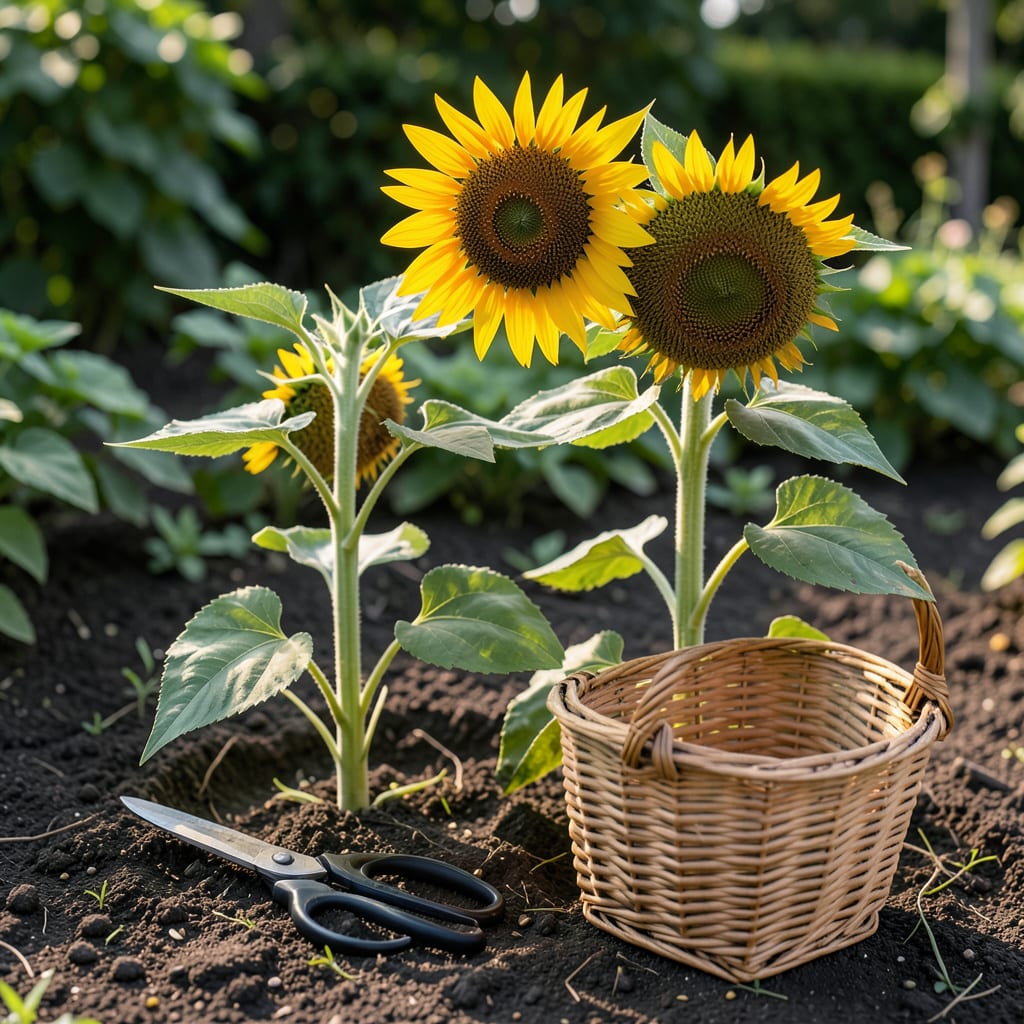
Timing your sunflower harvest perfectly can make or break your seed yield. The 🌻 back-of-head color change is your most reliable signal that seeds are at peak maturity.
I’ll show you exactly how to spot this critical transformation and other key signs that your sunflower seeds are ready to pick. Let’s get started.


The back-of-head color change is your primary indicator for sunflower seed maturity. As seeds develop, the green back of the flower head gradually transitions to yellow or brown shades. 🌻
This transformation typically begins at the edges and moves inward. I recommend checking daily once your sunflower reaches 80-100 days after planting, as this is when most varieties hit peak maturity.
| Maturity Stage | Color Change | Seed Condition |
|---|---|---|
| Early Development | Bright green back | Soft and white |
| Mid Maturity | Yellow edges | Firming up |
| Peak Readiness | Brown/yellow | Firm and striped |
For giant sunflower varieties, the color change may take longer to complete. I’ve found that dwarf varieties often mature faster, sometimes showing readiness signs as early as 60 days after planting.
The color transition isn’t always uniform. You might see patchy areas of yellow or brown first. This is normal and indicates the seeds in those areas are ripening faster than others.
Another helpful tip: the bracts (the green leaf-like structures behind the flower head) will also begin to dry and turn brown as the seeds mature. This is a secondary confirmation of the color change you’re seeing.
Remember that weather conditions can affect the timing. A hot, dry summer may speed up maturity, while cool, wet conditions could delay it by a week or two.
I always recommend checking both the color change and the seed firmness before harvesting. Gently press a few seeds – they should feel hard and not indent under slight pressure.
For the most accurate results, examine your sunflowers in the morning sunlight. The color changes are most visible in natural light, and the seeds will be at their driest point of the day.
If you’re growing multiple sunflower varieties, keep in mind that oilseed types typically mature faster than confectionery types. The back-of-head color change method works for all varieties though.
Once you spot that telltale brown or yellow back, your seeds are likely ready. But I’ll cover additional confirmation signs in the next section to be absolutely sure. ☀️
While the back-of-head color change is the most reliable indicator, there are other clear signs your sunflower seeds are ready. I always check for these additional cues to confirm maturity.
The seed head will begin to droop forward as the seeds mature and become heavier. This natural bowing is a strong signal that harvest time is near.
I often see gardeners make the mistake of harvesting too early when they see partial color changes. Remember, the entire back should be yellow or brown, not just the edges.
Another common error is ignoring the seed shell texture. Immature seeds have soft, white shells, while ready seeds have hard, striped shells that resist light pressure.
The weight of the head is a great physical test. A mature sunflower head will feel significantly heavier than an immature one, as the seeds fill out with their oil content.
If you’re growing multiple varieties, note that the bracts on some types may dry completely while others retain some green. Always combine this with the color change and seed firmness tests.
Finally, watch for bird activity around your sunflowers. When birds start showing interest, it’s often a sign your seeds are nearing readiness. 🌻
Once you’ve confirmed your sunflower seeds are ready, proper harvesting techniques ensure maximum yield and quality. I always start by checking the morning dew has dried before beginning. ☀️
The cutting method works well for most gardeners. Using sharp pruners, cut the stem about 12 inches below the head, leaving enough stem for handling.
Pro Tip: Hang heads upside down in a dry, ventilated area to complete drying. This prevents mold and ensures even air circulation around the seeds.
For in-situ drying, you can leave the heads on the stalk if dry weather is forecast. Cover them with paper bags to protect from birds while allowing airflow.
After drying, rub two heads together or use your fingers to remove the seeds. I find a fine-mesh screen helps separate seeds from chaff efficiently.
Store your seeds in airtight containers in a cool, dark place. Properly dried and stored seeds can remain viable for up to 5 years for planting. 🌻
Most varieties reach maturity in 80-100 days after planting. Dwarf types may be ready in as few as 60 days, while giant varieties can take up to 120 days.
Seeds won’t be fully developed, resulting in smaller yield and poor viability. They’ll have soft shells and won’t store well. Always wait for the back to turn yellow or brown.
Yes, but act quickly. A light frost won’t harm mature seeds, but heavy frost can damage them. Cut heads before frost hits and hang to dry indoors.
Seeds should be hard and difficult to dent with a fingernail. The shells will be fully black and white striped. Store in airtight containers once completely dry.
