
Beautiful Plants For Your Interior
Beautiful Plants For Your Interior
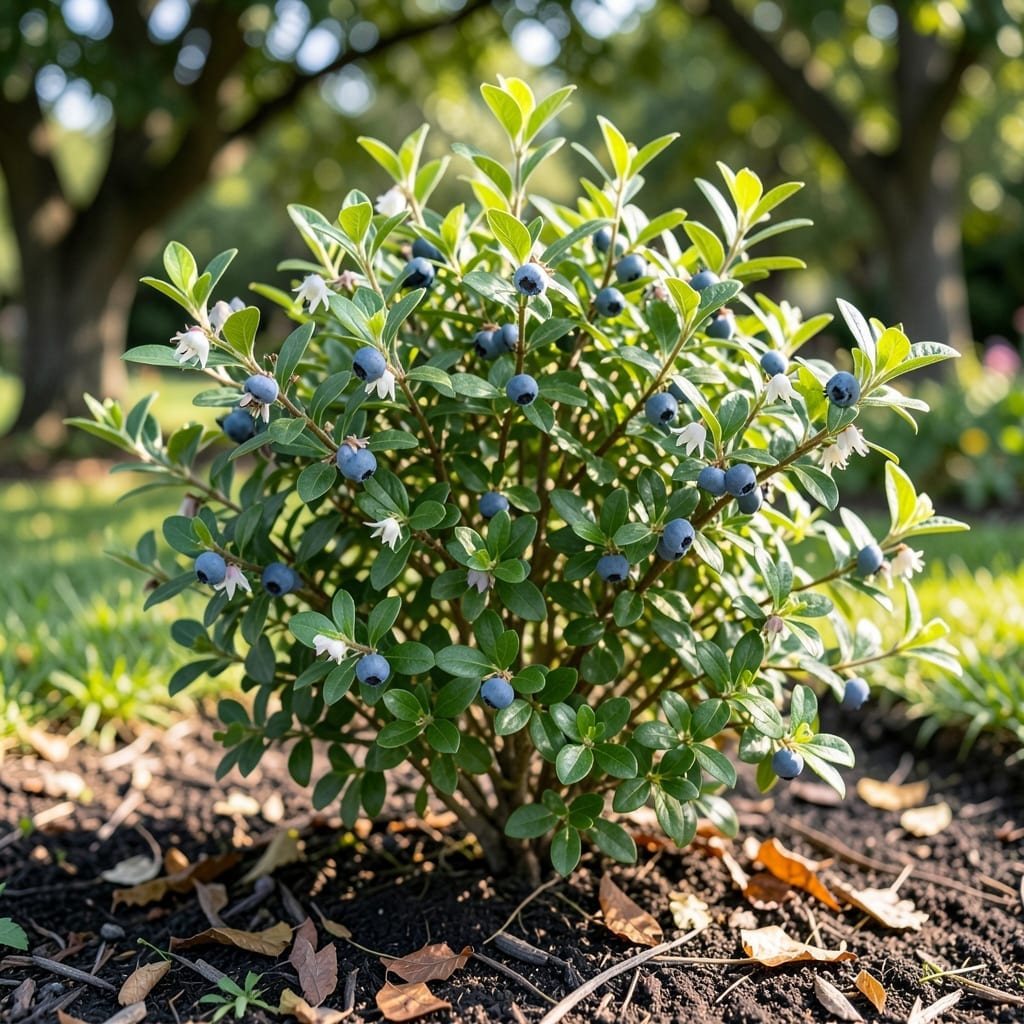
Yellow leaves and stunted growth on your blueberry bush aren’t just bad luck—they’re messages. I’ve spent years decoding these signals, and the good news is most issues have simple fixes.
Often, it’s the soil pH. Blueberries demand acidic conditions (4.5-5.5), and even slightly off levels lock out nutrients. Other common culprits: poor drainage, nutrient deficiencies, or pests hiding in plain sight.
You’ll start seeing improvement within 2-3 weeks of addressing the root cause. The key is accurate diagnosis before reaching for solutions.
Works for potted plants, backyard bushes, or established patches. Here’s how to play plant detective.
Blueberry bushes can struggle for several specific reasons, often tied to their unique growing needs. Here’s why you might be seeing issues like yellowing leaves or stunted growth:
Blueberries thrive in acidic soil (pH 4.5–5.5). If your soil pH is too high (alkaline), the plant can’t absorb essential nutrients like iron and manganese, leading to chlorosis (yellow leaves with green veins). Test your soil with a kit and amend with sulfur or peat moss to lower pH if needed.
Both overwatering and underwatering stress blueberry roots. Soggy soil suffocates roots, while drought prevents nutrient uptake. Blueberries need consistent moisture—aim for 1–2 inches of water per week, adjusting for rainfall. Mulch with pine bark to retain moisture and regulate soil temperature.
Nitrogen deficiency causes uniform yellowing of older leaves, while iron or magnesium shortages trigger interveinal chlorosis (yellowing between veins). Use a fertilizer formulated for acid-loving plants (e.g., 10-10-10 with ammonium sulfate) and avoid high-pH fertilizers like lime.
Pests like blueberry maggots or spotted wing drosophila damage fruit, while fungal diseases (e.g., Phytophthora root rot) cause wilting and dieback. Prune for airflow, remove fallen fruit, and apply organic neem oil or copper fungicides preventatively.
Blueberries need full sun (6+ hours daily) and protection from extreme heat or frost. Poor light leads to weak growth and reduced fruiting. If temperatures exceed 90°F (32°C), provide afternoon shade to prevent scorching.
Here’s how to turn things around, cause by cause.
Test soil with a kit ($10 at garden centers). If pH is above 5.5, amend with sulfur or peats moss to lower it. For iron deficiency (common in alkaline soil), apply chelated iron foliar spray weekly until leaves green up. Prevention tip 💡: Add 2–3 inches of pine bark mulch annually to maintain acidity.
Check soil 2 inches down—if bone-dry, deep-water (1–2 gallons per bush) at dawn. If soggy, improve drainage with compost or raised beds. For drought-prone areas, install a drip irrigation system on a timer. Prevention tip 🌡️: Mulch with wood chips to retain moisture and regulate temperature.
For aphids or mites, blast off with a strong water spray or apply neem oil (mix 1 tbsp per gallon). For fungal spots, remove infected leaves and spray with copper fungicide. Prevention tip ✨: Space bushes 4–6 feet apart for airflow, and prune inner branches yearly to reduce humidity.
Move potted bushes to 6+ hours of sun daily. For in-ground plants, trim nearby trees casting shade. Prune only after harvest, removing old, weak canes at the base to redirect energy. Prevention tip 🎯: Fertilize in early spring with a 10-10-10 acid-loving plant mix—avoid high-nitrogen formulas.
Use a $10 soil test kit from garden centers. Collect soil from 4-6 inches deep near the roots, mix with distilled water, and compare the color to the chart. Aim for 4.5-5.5 pH for optimal growth.
Amend with elemental sulfur (1-2 lbs per 100 sq ft) or peat moss. For quick fixes, use chelated iron foliar spray. Always retest after 2-3 weeks.
Yes! Soggy soil suffocates roots, blocking nutrient uptake. Check soil 2 inches down—if wet, hold off on watering and improve drainage with compost.
Prune immediately after harvest but never in fall. Remove old, weak canes at the base and thin inner branches for airflow. Avoid pruning during active growth.