
Beautiful Plants For Your Interior
Beautiful Plants For Your Interior
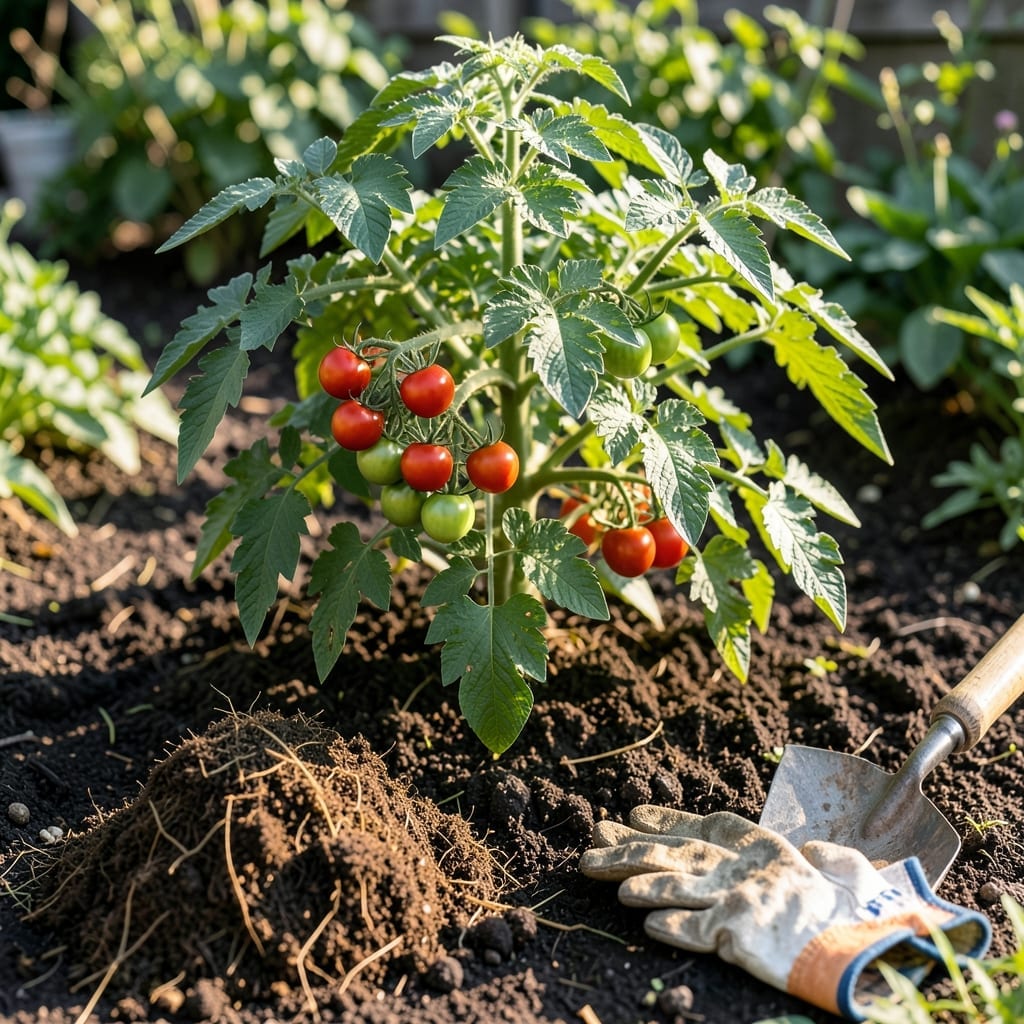
Chicken manure transformed my garden from struggling to shockingly productive. The secret is in proper handling—raw manure burns plants, but aged or composted, it becomes garden gold.
I learned the hard way that fresh manure needs 6 months of composting to become safe. The process kills weeds, balances nutrients, and prevents plant damage. Most gardeners skip this step and wonder why their tomatoes wilt.
What you get is dark, crumbly compost that boosts soil fertility better than store-bought amendments. Plants grow faster, resist disease, and produce heavier yields with that rich, earthy nutrition.
Works for vegetable beds, flower gardens, or potted plants. Here’s how to turn that poultry waste into your garden’s secret weapon.
Chicken manure accumulates due to a mix of natural biological processes and management practices. Understanding these causes helps you address the issue effectively.
Chickens have a rapid digestive system, processing feed into waste within 24-48 hours. Their high-protein diet (often 16-22% crude protein) results in nitrogen-rich manure, which piles up quickly in coops. A single chicken can produce 1 cubic foot of manure every 6 months, multiplying fast in a flock.
In confined spaces like coops, manure decomposes slowly due to poor aeration and moisture imbalance. Without oxygen (anaerobic conditions), beneficial microbes struggle, leading to odors and ammonia buildup. Piled manure also compacts, further slowing breakdown.
Rain or high humidity can saturate manure, creating a sludgy mess that’s hard to manage. In colder months, microbial activity slows, delaying decomposition. Conversely, dry climates can desiccate manure, making it dusty and prone to wind dispersion.
Many backyard farmers underestimate how often manure needs removal. Without a regular cleaning schedule (e.g., weekly or biweekly), waste accumulates, attracting pests like flies and rodents. Overcrowded coops exacerbate the problem, as more birds = more manure in less space.
Chicken manure is a powerful fertilizer, but it can come with challenges. Here’s how to tackle the most common problems and keep your composting process smooth and effective.
If your chicken manure pile is overheating, it’s likely due to too much nitrogen. Fix it by adding carbon-rich materials like straw, dry leaves, or sawdust to balance the ratio (aim for 2:1 carbon to nitrogen). Turn the pile frequently to dissipate heat and prevent combustion.
Prevention tip: 💡 Layer manure with brown materials from the start to avoid overloading with nitrogen.
A smelly pile usually means it’s too wet or lacks oxygen. Fix it by turning the compost to introduce air and adding dry materials like wood chips or shredded paper to absorb excess moisture. If the odor persists, reduce the amount of fresh manure and increase carbon sources.
Prevention tip: ✨ Keep your compost in a well-ventilated area and maintain a balanced mix of greens (manure) and browns (carbon).
Pests like flies or rodents are attracted to uncovered or improperly managed manure. Fix it by burying fresh manure under a layer of carbon-rich material or covering the pile with a tarp. Avoid adding meat, dairy, or oily foods, as these can draw pests.
Prevention tip: 🎯 Store fresh manure in a sealed container until you’re ready to compost it, and always keep your compost pile covered.
If your manure isn’t breaking down, it may lack moisture, nitrogen, or airflow. Fix it by watering the pile lightly (it should feel like a damp sponge) and adding more green materials like grass clippings. Turn the pile to aerate it and speed up decomposition.
Prevention tip: 🌡️ Monitor moisture levels regularly and maintain a good mix of greens and browns to keep the process active.
Chicken manure requires 6 months of composting to become safe for plants. This aging process reduces ammonia levels and kills harmful pathogens. Avoid using fresh manure directly on crops.
No, fresh chicken manure will burn plants due to its high nitrogen content. Always compost it first or age it for 4-6 months. Once composted, it’s excellent for vegetables.
Store fresh manure in a sealed container or covered pile to prevent pests and odors. Keep it dry and away from living areas until you’re ready to compost.
Strong odors usually mean your pile is too wet or lacks oxygen. Fix it by turning the compost and adding dry carbon materials like straw or leaves.