
Beautiful Plants For Your Interior
Beautiful Plants For Your Interior
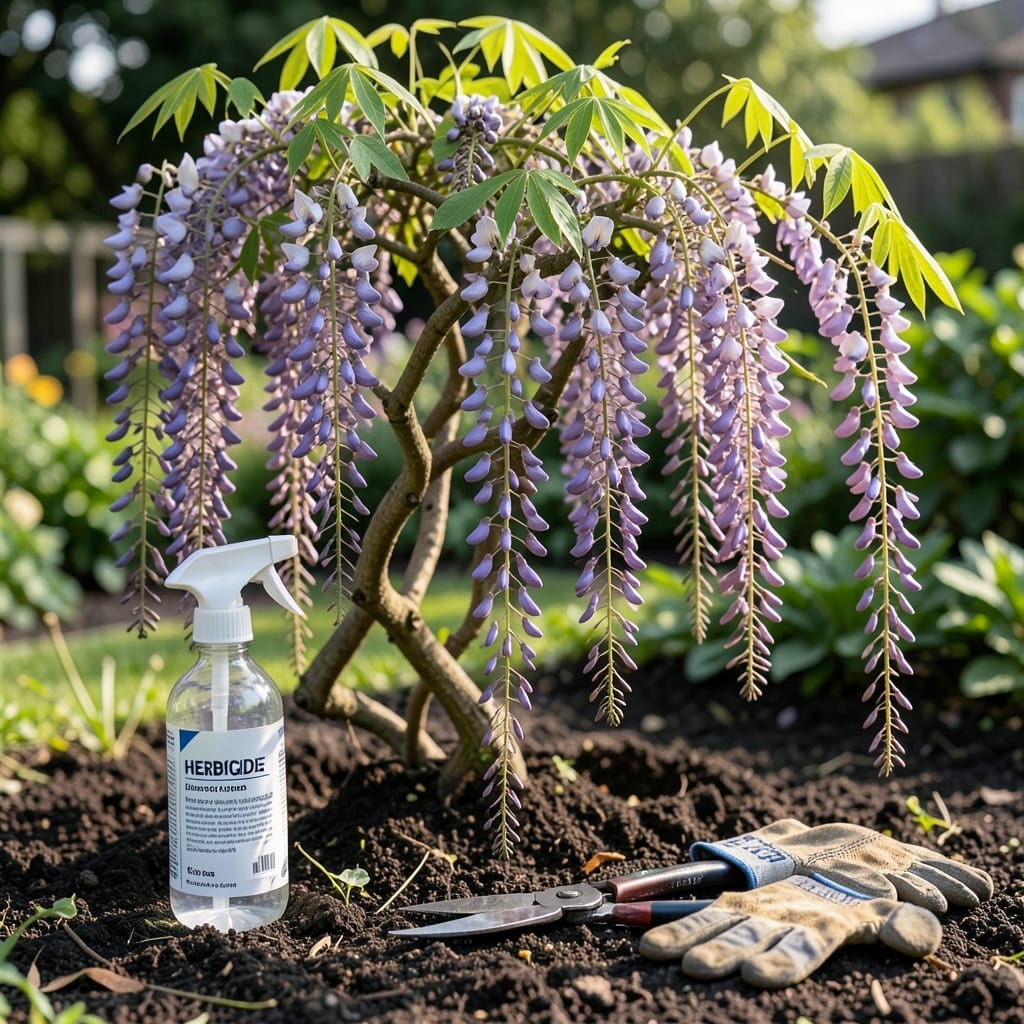
Wisteria can take over a garden faster than you’d expect. I’ve watched it strangle fences and climb trees in a single season, and getting rid of it requires persistence more than anything else.
The key is attacking it from multiple angles. Manual removal works for young vines, but older ones need more aggressive methods. Complete removal often means digging out roots that can stretch 20 feet underground.
You’ll need to monitor the area for regrowth, as even small pieces of root left behind can sprout new plants. The process isn’t quick, but it’s the only way to reclaim your space.
Prevention is simpler than removal. Regular maintenance and early action when you spot new shoots will save you months of work later.
Understanding why wisteria fails to thrive—or worse, dies—helps prevent common pitfalls. Below are the most frequent causes, explained with actionable insights.
Wisteria thrives in well-draining, slightly acidic to neutral soil (pH 6.0–7.0). Heavy clay or waterlogged soil suffocates roots, leading to rot. Conversely, sandy soil drains too quickly, starving the plant of moisture and nutrients. Test soil with a kit and amend with compost or organic matter to improve structure.
This vigorous vine demands full sun (6+ hours daily) to fuel its rapid growth and flowering. Shade from buildings or trees weakens wisteria, causing sparse foliage, no blooms, and eventual decline. Prune nearby obstructions or relocate the plant to a sunnier spot.
Wisteria is drought-tolerant once established but hates soggy roots. Overwatering promotes root rot, while prolonged drought stresses the plant, especially in its first year. Water deeply once a week during dry spells, then let the top 2 inches of soil dry out before watering again.
A lack of phosphorus (critical for blooming) or potassium (for disease resistance) can stunt growth. Yellowing leaves may signal nitrogen deficiency. Use a balanced fertilizer (10-10-10) in early spring, then switch to a low-nitrogen, high-phosphorus blend (e.g., 5-10-10) to encourage flowers.
While wisteria is relatively hardy, aphids, scale insects, and leaf miners can weaken it over time. Fungal issues like powdery mildew or root rot (from Phytophthora) also take a toll. Treat pests with neem oil and improve airflow to deter fungi. Remove and destroy infected plant parts immediately.
Wisteria can be stubborn, but with the right approach, you can reclaim your garden. Below are targeted solutions for common wisteria-killing methods, along with prevention tips to keep it from returning.
For a fast and effective solution, use a glyphosate-based herbicide (e.g., Roundup). Apply it directly to the leaves or cut stumps during the growing season for best results. Prevention tip: Reapply as needed until the plant is fully dead, and monitor the area for regrowth.
Dig out the entire root system, including all runners, to prevent regrowth. Use a shovel or mattock to expose and remove deep roots. Prevention tip: Check the area regularly for new shoots and pull them immediately.
Cover the wisteria with thick layers of cardboard or black plastic to block sunlight. This method takes time but is chemical-free. Prevention tip: Leave the cover in place for at least a year to ensure the plant dies completely.
Consistently cut back new growth to weaken the plant over time. This works best for smaller infestations. Prevention tip: Stay vigilant—wisteria is persistent, and missing even a few shoots can lead to regrowth.
Pro tip 💡: Combine methods (e.g., herbicide + smothering) for faster, more reliable results. Always wear gloves and protective clothing when handling wisteria or herbicides.
Glyphosate-based products typically show results in 1-2 weeks, with full die-off in 4-6 weeks. Reapplication may be needed for stubborn roots.
For mature wisteria, manual removal is difficult due to deep roots. Digging out the entire system can prevent regrowth, but expect to spend several hours on the task.
Household vinegar lacks the strength to kill mature wisteria. Horticultural vinegar (20% acetic acid) may work on young shoots, but repeated applications are required.
Smothering with cardboard or black plastic is the safest chemical-free option. Avoid herbicides if pets frequent the area, as some products can be toxic.