
Beautiful Plants For Your Interior
Beautiful Plants For Your Interior
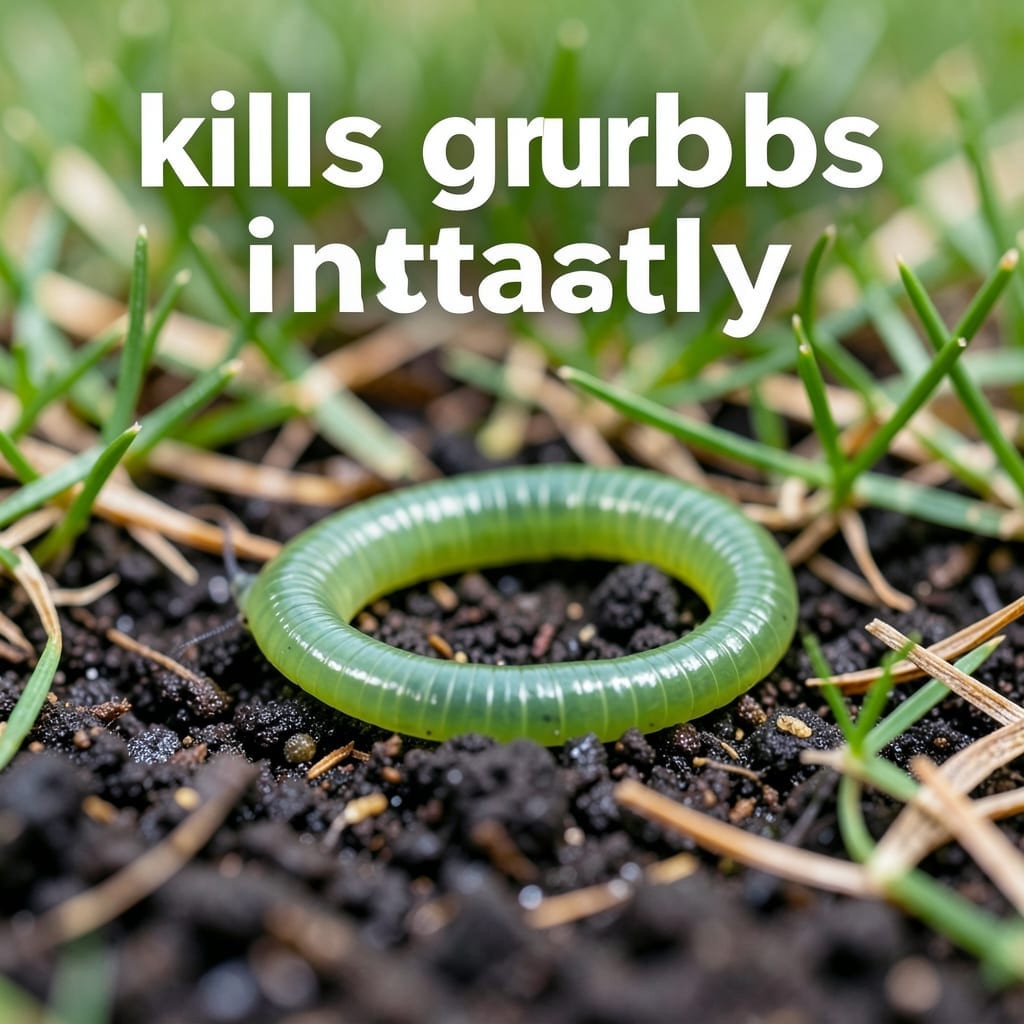
White grubs chewing through your lawn roots overnight feel personal. I found my first patch of dead grass last spring and traced it to these C-shaped larvae hiding just beneath the surface.
They turn healthy turf into spongy, brown patches in days. The damage spreads fast because grubs feed continuously until they pupate into beetles that start the cycle again.
Here’s the thing—you can stop them without chemicals. Natural solutions work in 24 hours when applied correctly, and they won’t harm beneficial insects or your soil.
We’ll cover what actually kills them on contact and how to prevent next year’s invasion before it starts. Your lawn can recover faster than you think.
Grubs, the larval stage of beetles like Japanese beetles or June bugs, thrive in lawns due to specific environmental and biological conditions. Understanding these causes helps in targeting the root of the problem effectively.
Grubs prefer moist, well-aerated soil rich in organic matter. Overwatered lawns or areas with poor drainage create the perfect breeding ground. The eggs laid by adult beetles hatch in warm, damp soil, allowing the larvae to feed on grass roots undisturbed.
Thick, healthy lawns provide ample food for grubs. They feed on the roots of grass, and an untouched, dense turf offers a buffet of nutrients. Lawns with minimal foot traffic or disturbance are especially vulnerable, as grubs face fewer disruptions to their feeding cycle.
Grub infestations peak in late summer to early fall, when adult beetles lay eggs. The warm soil temperatures (around 70–80°F) accelerate egg hatching, and the newly emerged grubs immediately begin feeding. This timing aligns with the grass’s active growth phase, making it easier for grubs to establish themselves.
In ecosystems with fewer natural predators—such as birds, nematodes, or beneficial insects—grub populations can explode. Overuse of broad-spectrum pesticides often kills these predators, leaving grubs unchecked. Encouraging biodiversity in your lawn can help keep grub numbers in balance naturally.
Grubs wreaking havoc on your lawn? Act quickly with these targeted solutions to eliminate them fast and prevent future infestations.
For immediate results, apply a grub-specific insecticide like trichlorfon or carbaryl. These work within 24 hours to kill grubs on contact. Follow label instructions carefully—water the lawn first to bring grubs near the surface, then apply the treatment. Reapply as directed for stubborn cases.
Prefer eco-friendly options? Beneficial nematodes (like Heterorhabditis bacteriophora) are microscopic worms that infect and kill grubs within 48 hours. Apply them to moist soil in the evening for best results. Neem oil and milky spore powder also disrupt grub life cycles—use these for long-term control.
For small infestations, handpick grubs from the soil early in the morning when they’re near the surface. Drop them in soapy water to kill them instantly. This is labor-intensive but effective for localized areas.
Combine these methods for the best defense. A little vigilance goes a long way in keeping your yard grub-free! ✨
Beneficial nematodes start killing grubs within 48 hours of application. For fastest results, apply them to moist soil in the evening when grubs are near the surface.
Most grub-specific insecticides become safe once watered in and dried. Keep pets off the lawn for 24-48 hours after application. Always check the product label for specific precautions.
Manual removal is effective only for small areas. For widespread problems, combine it with other methods like nematodes or targeted insecticides for complete control.
Yes! Maintain a healthy lawn, encourage natural predators, and apply milky spore powder in early summer. These steps create an unfavorable environment for grubs to thrive.