
Beautiful Plants For Your Interior
Beautiful Plants For Your Interior
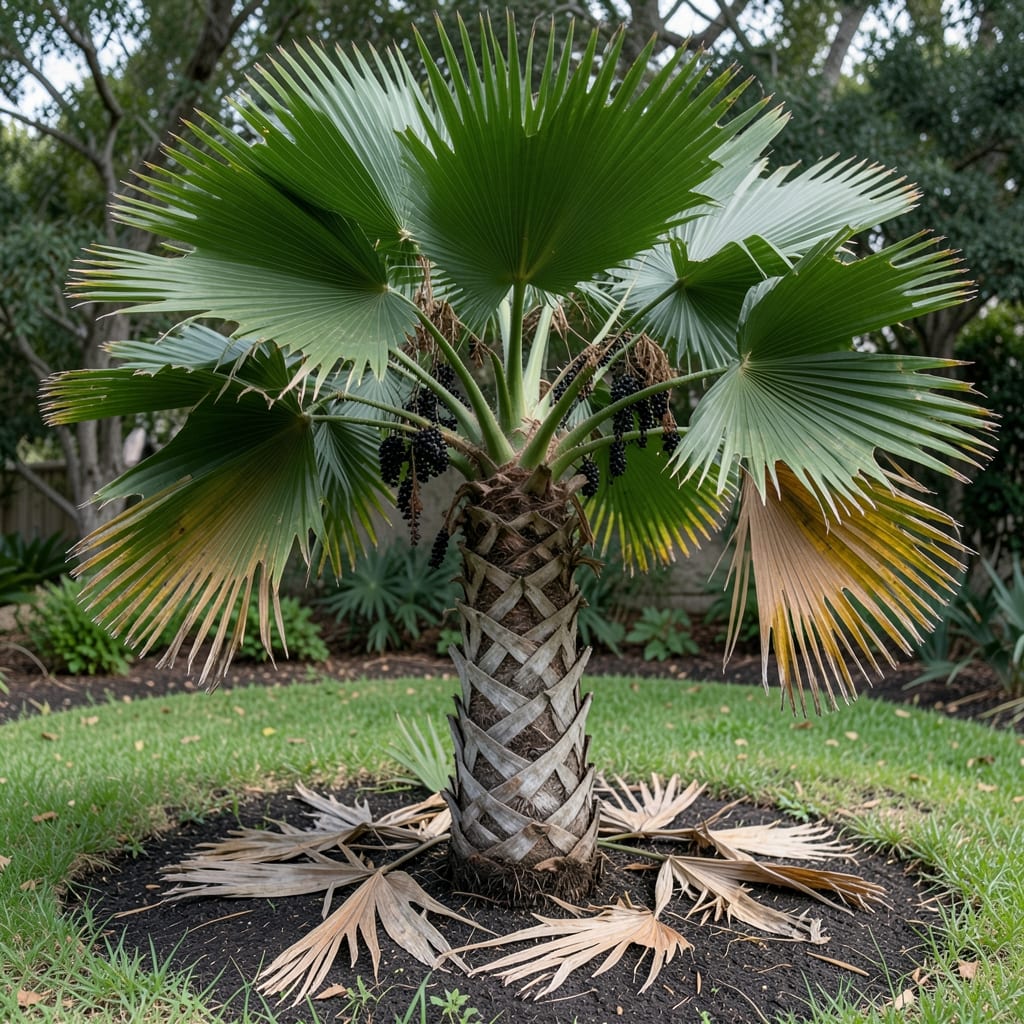
Palmetto fruit is the small, dark berry produced by palm trees in the Serenoa genus, particularly the saw palmetto. It’s rich in fatty acids and historically used for medicinal and ecological purposes.
In my experience working with native plants, these berries thrive in sandy soils and support local ecosystems by providing food for wildlife. 🔥 They contain beneficial compounds like phytosterols, which is why they’ve been a staple in traditional herbal remedies for generations. What’s fascinating is how their small size packs such powerful nutritional and ecological value.
💡 In This Article
Saw palmetto berries are oval, typically measuring 0.5-1 inch in diameter, with a deep purple-black hue when ripe. Their outer skin is smooth but tough, protecting a single seed surrounded by fibrous, edible pulp that’s rich in oils.
This pulp contains 85-90% fatty acids, including lauric, palmitic, and oleic acids, which contribute to its nutritional density. 🔥
The fruit matures slowly over 6-8 months, ripening from green to black between August and October in its native southeastern US habitat. Each palm produces hundreds of berries annually, with a single clump yielding up to 700-1000 pounds of fruit in ideal conditions.
The berries grow in dense clusters directly from the plant’s base, close to the ground for easy wildlife access.
In the reproductive cycle, these berries serve as the palm’s primary seed dispersal mechanism. Animals like raccoons, bears, and birds consume the fruit, digest the pulp, and excrete the seeds elsewhere—often with natural fertilizer. This process explains why saw palmetto thickets spread so effectively in sandy, well-drained soils typical of Florida and Georgia ecosystems. ✨
The pulp’s fatty acid profile makes it particularly valuable. Studies show it contains 0.2-0.5% phytosterols like beta-sitosterol, compounds that have been studied for their potential to support prostate health. The berries also contain flavonoids and polysaccharides, which contribute to their historical use in herbal medicine by Indigenous peoples and early settlers.
What’s remarkable is how the plant invests so much energy into these berries. The saw palmetto diverts significant resources to fruit production, with each berry containing enough nutrients to sustain a new plant if conditions are right. This evolutionary strategy ensures the species’ survival in challenging, nutrient-poor environments. 💫
They thrive in the southeastern US, particularly Florida and Georgia. The sandy, well-drained soils of these coastal regions provide the perfect environment for saw palmetto to flourish.
The pulp contains 85-90% fatty acids, including lauric and oleic acids, plus 0.2-0.5% phytosterols. These compounds contribute to its use in herbal medicine for generations.
The berries mature slowly over 6-8 months, ripening from green to deep purple-black between August and October. Each palm produces hundreds annually.
Plant saw palmetto near garden edges. The berries attract songbirds, raccoons, and deer, providing critical sustenance during migration seasons.