
Beautiful Plants For Your Interior
Beautiful Plants For Your Interior
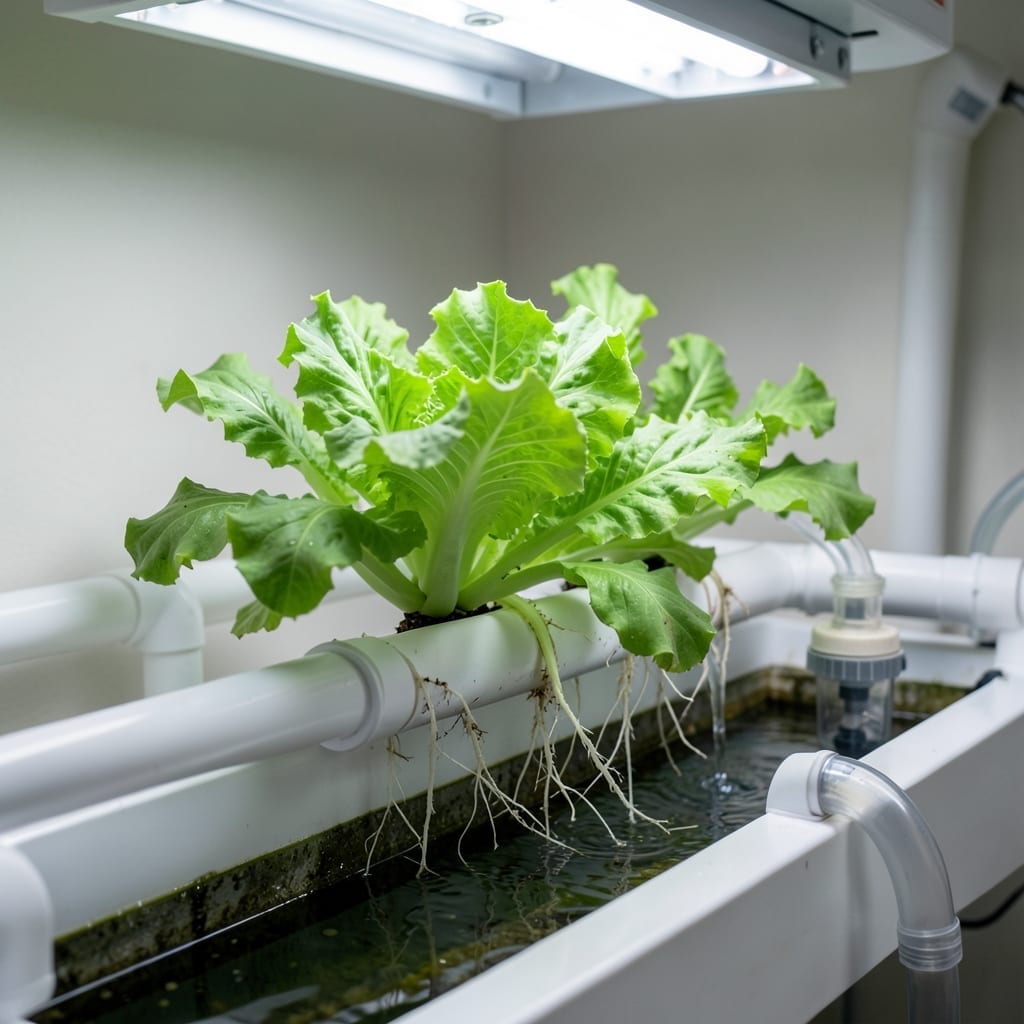
Nutrient film technique is a hydroponic method where a thin film of nutrient-rich water flows over bare plant roots in a slightly angled channel, providing continuous oxygen and nutrients.
I’ve seen this system excel with fast-growing crops like lettuce and herbs because it maximizes oxygen exposure while delivering nutrients directly to the roots. No growing medium is needed, which cuts down on costs and mess. What makes it stand out is the recirculating design, where a pump keeps water moving in a loop, ensuring roots get both hydration and airflow. 🔥
💡 In This Article
The magic happens in the channel’s design—a slightly sloped tube where roots sit in a 1/4 to 1/2 inch layer of flowing water. This shallow stream exposes the upper root mass to air, creating a perfect balance of hydration and oxygenation that accelerates growth.
The slope, usually 1-2% grade, ensures water moves by gravity without pooling. 🌟
A submersible pump in the reservoir pushes nutrient solution to the high end of the channel. As it cascades down, it picks up oxygen from the air before returning to the reservoir. This cycle repeats every 5-15 minutes, depending on plant needs.
The constant movement prevents stagnation while exposing roots to 20-30% more oxygen than in soil. ⚡
What most don’t realize is the root mat that forms in mature systems. These dense, white roots create a natural filter that helps maintain water cleanliness between reservoir changes. The exposed upper roots develop tiny hairs that maximize oxygen absorption, similar to how a sponge works. 💫
Temperature control is crucial—ideal nutrient solution sits between 65-72°F. Above 75°F risks root rot, while below 60°F slows nutrient uptake. Many growers add chillers to their reservoirs in warmer climates to maintain this sweet spot. This precision allows NFT to outperform soil by 2-3x in growth speed for suitable plants. ✨
The channel material matters too. Food-grade PVC or plastic gutters work best, with 4-6 inch widths for most leafy greens. Wider channels accommodate larger plants like strawberries, but require stronger pumps to maintain proper flow rates of 1-2 liters per minute per channel. 🔥
Replace the entire solution every 7-10 days for optimal growth. Top off with fresh water between changes as the level drops. This prevents nutrient imbalances and algae growth.
Wilting often means roots aren’t getting enough oxygen. Check your pump is running continuously and the water flow isn’t too deep. A 1/4 inch film is ideal for most plants.
Small berries like strawberries work, but avoid heavy fruiting plants. Their weight and deep roots need more support than standard channels provide. Larger plants may require custom setups.
A 1-2% grade works perfectly. This gentle slope allows water to flow by gravity while ensuring even coverage without pooling at the ends.