
Beautiful Plants For Your Interior
Beautiful Plants For Your Interior
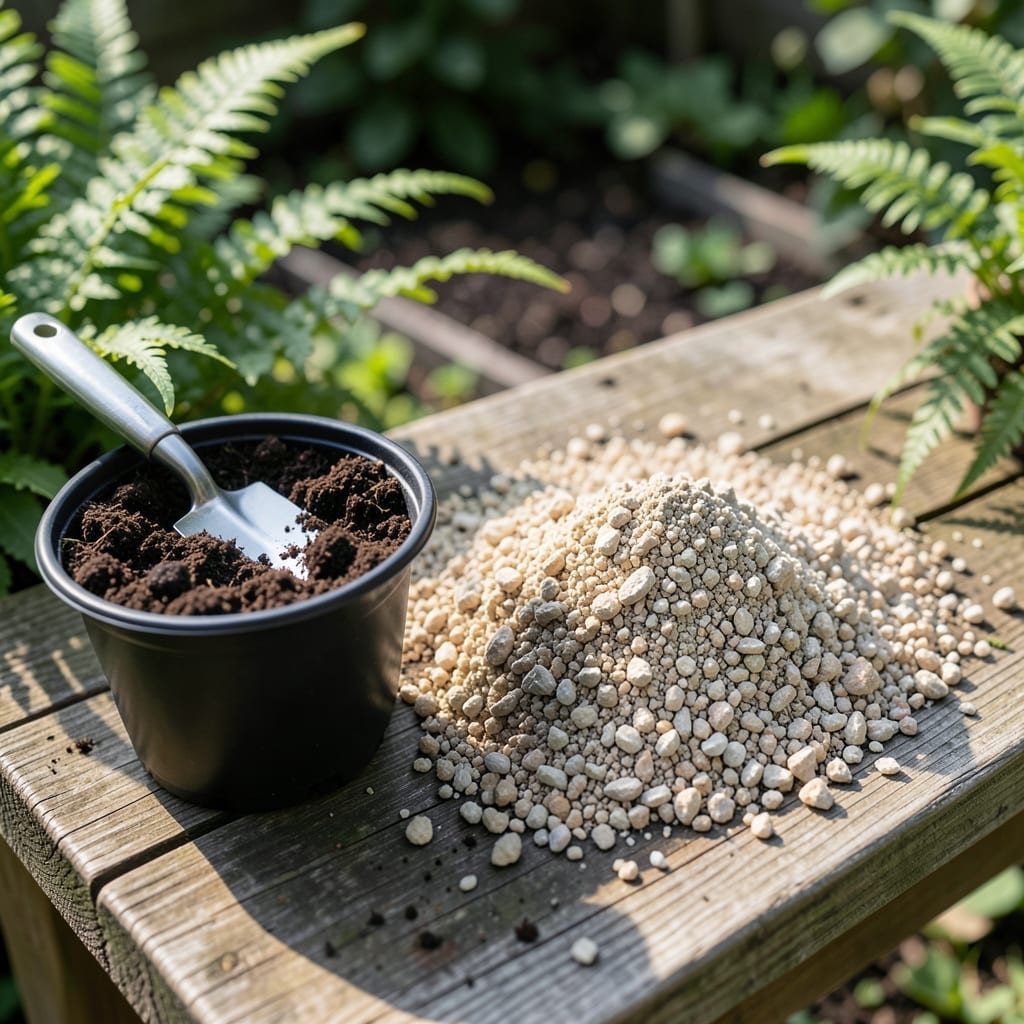
Horticultural grit is a coarse, granular material like crushed stone or sand used to improve drainage and aeration in potting mixes, especially for cacti, succulents, and alpine plants.
I’ve found it’s the secret to preventing root rot in moisture-sensitive plants. This material works by creating air pockets in dense soil, allowing water to flow through instead of pooling. 🌟 What’s interesting is that different grit sizes serve distinct purposes—fine grit for seed starting, coarse grit for established plants needing maximum drainage.
💡 In This Article
The magic happens at the particle level. Horticultural grit creates macro-pores between soil particles, which prevents compaction and allows roots to breathe. In dense soils, water fills all air spaces, suffocating roots. Grit particles, typically 2-6mm in size, break this cycle by maintaining open channels for oxygen and water movement. 🔥
Root oxygenation is non-negotiable for desert natives. Cacti and succulents evolved in fast-draining environments where roots access air within minutes of rain. Standard potting soil holds moisture for days, creating anaerobic conditions. Adding 30-50% grit by volume replicates their natural habitat, preventing the dreaded black stem rot we’ve all mourned.
What most gardeners overlook is capillary action. Fine soil particles wick water upward through cohesion, keeping the surface damp long after watering. Coarse grit interrupts this process, forcing water to drain downward by gravity. This means the top 1-2 inches of soil dry faster, discouraging fungus gnats that thrive in moist conditions. ✨
Alpine plants demonstrate this principle perfectly. Species like saxifrages and sempervivums rot in winter-wet soils. Their natural mountain homes have sandy, gritty substrates that freeze and thaw rapidly. In containers, a 50:50 grit-to-soil mix prevents waterlogging during cold months when evaporation slows. The grit also adds weight, stabilizing top-heavy plants in windy conditions.
Here’s what’s fascinating: grit doesn’t just improve drainage—it also buffers temperature swings. The air pockets act as insulation, protecting roots from both heat spikes in summer and cold snaps in shoulder seasons. This thermal stability is why professional growers use grit-heavy mixes for rare specimens. 💫
Unlike fine sand, horticultural grit has larger, irregular particles that create permanent air pockets in soil. Regular sand can compact over time, while grit maintains its structure for better drainage.
For most succulents and cacti, use a 30-50% grit ratio with soil. Alpine plants thrive with a 50:50 mix, while tropical plants need just 10-20% for slight aeration.
Aquarium gravel is often too smooth and may not create enough air pockets. It also might contain chemicals harmful to plants. Stick with horticultural-grade grit for best results.
Some types like limestone grit can gradually raise pH, which benefits calcium-loving plants. Neutral options like granite or pumice won’t alter pH. Always test your soil if you’re growing acid-loving species.