
Beautiful Plants For Your Interior
Beautiful Plants For Your Interior
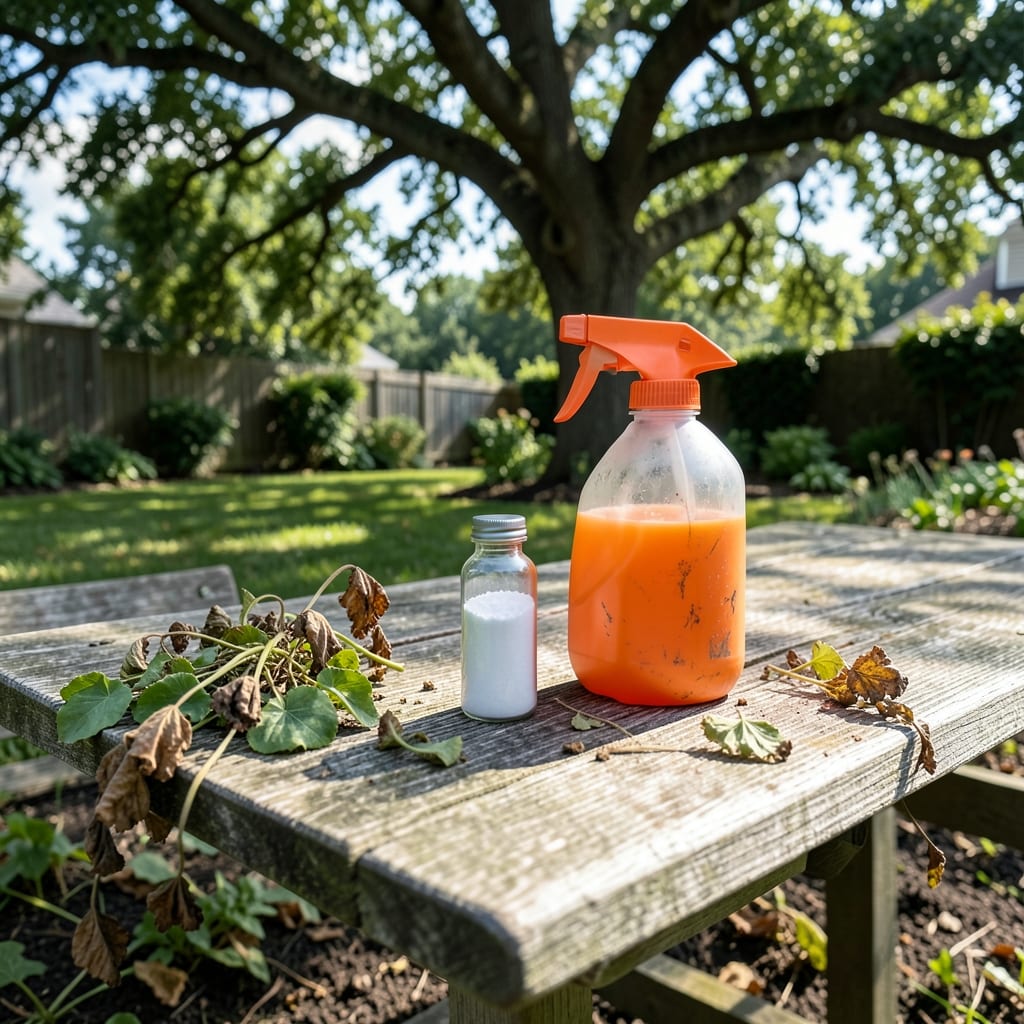
Glyphosate is a broad-spectrum systemic herbicide used to kill weeds and grasses by inhibiting a specific enzyme pathway essential for plant growth.
I’ve used this compound extensively in my gardening, and what stands out is its ability to travel through a plant’s system after being absorbed by the leaves. This means it can tackle deep-rooted weeds that other treatments might miss. 🔥 It’s particularly effective on stubborn plants like dandelions or crabgrass that tend to regrow from fragments left in the soil.
💡 In This Article
Glyphosate disrupts plant growth by targeting EPSPS, an enzyme critical for synthesizing aromatic amino acids. Without these building blocks, plants can’t produce proteins essential for survival. This inhibition happens within 24-48 hours of application, but visible wilting may take 1-2 weeks as the plant slowly starves. 🔥
What makes glyphosate unique is its systemic nature. When sprayed on leaves, it travels through the phloem to the roots, killing the entire plant—including underground structures. This is why it’s so effective against perennial weeds with deep root systems that would otherwise regrow from fragments. ✨
The chemical works by mimicking glycine, a natural amino acid. Plants absorb it thinking it’s a nutrient, but instead it blocks the shikimic acid pathway. This pathway doesn’t exist in animals, which is why glyphosate has low toxicity to humans and pets. However, some bacteria in soil and our guts do use this pathway. 💫
Genetically modified crops like Roundup Ready soybeans contain a bacterial version of EPSPS that glyphosate can’t inhibit. This allows farmers to spray entire fields, killing weeds while sparing their crops. The modification involves inserting a gene from Agrobacterium tumefaciens, a common soil bacterium. ⚡
Environmental factors affect glyphosate’s efficacy. Rain within 6 hours of application can wash it away before absorption. Similarly, drought-stressed plants absorb less herbicide. For best results, apply on actively growing weeds with 4-6 hours of dry weather forecasted. 🌟
Visible effects typically appear within 7-14 days. Wilting starts as the plant stops growing, with complete die-off usually occurring in 2-4 weeks for most weeds.
Keep them away until the spray dries completely, usually 2-4 hours. While low toxicity, direct contact with wet spray can cause skin irritation. Always store containers securely.
Yes, it’s non-selective and will damage any plant it contacts. Use a shield when spraying near desirable plants, and apply only to target weeds on calm days.
Not recommended. While it breaks down in soil, residues may affect sensitive crops. If necessary, spot-treat weeds carefully and wait 3-5 days before harvesting.
Never pour down drains. Use all mixed solution or apply to labeled weeds. For disposal, follow local hazardous waste guidelines for herbicides.