
Beautiful Plants For Your Interior
Beautiful Plants For Your Interior
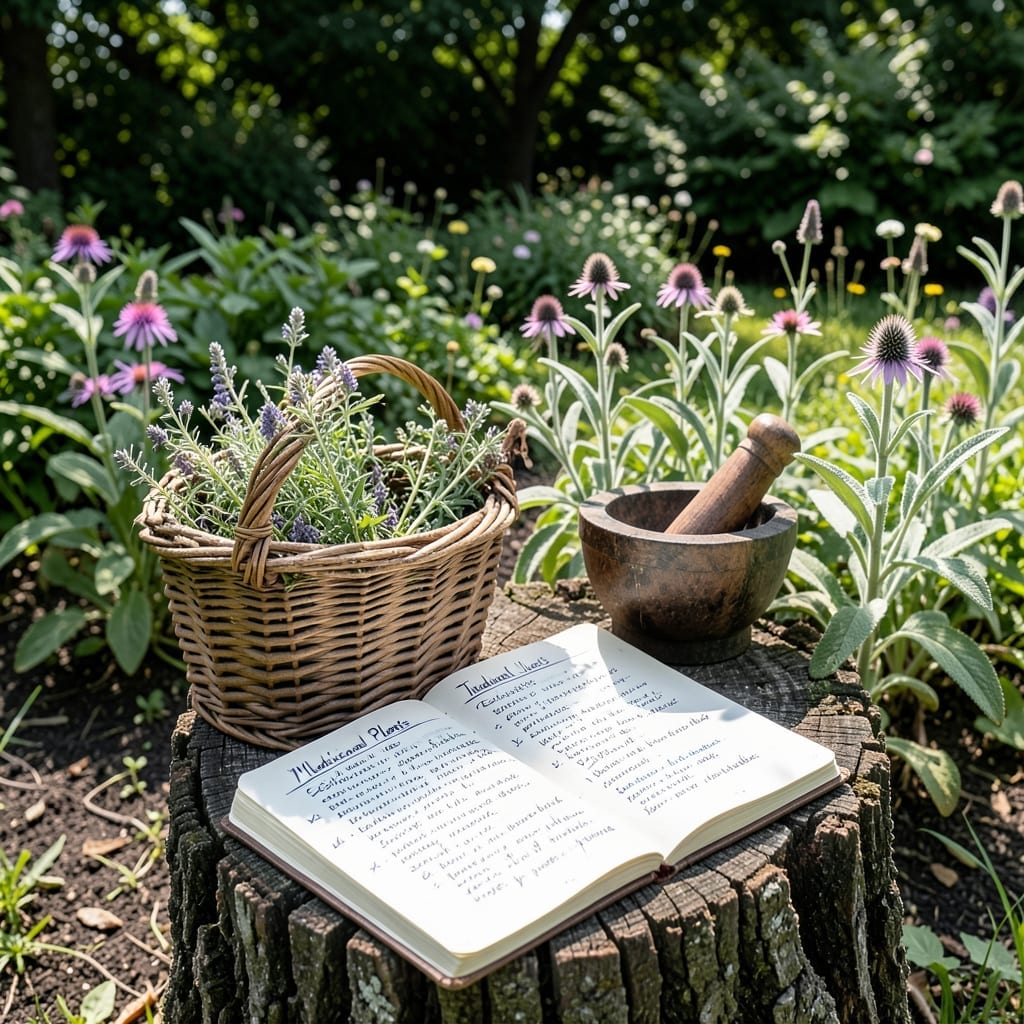
Ethnobotany is the scientific study of how different cultures use and interact with plants for food, medicine, rituals, and daily life across history and regions.
I find this field fascinating because it bridges anthropology and botany, revealing how indigenous communities and ancient civilizations developed unique plant-based solutions long before modern science. From Amazonian healing practices to traditional Asian agriculture, these insights still influence how we grow and use plants today. ✨
What excites me most is seeing how traditional knowledge can inform sustainable gardening techniques we use in our own backyards. 💫
💡 In This Article
Plants weave through human history like threads in a tapestry, with each culture developing unique relationships with its local flora. The Amazonian tribes use ayahuasca in spiritual ceremonies, while Native Americans utilize sage for cleansing rituals. These practices aren’t just traditions—they represent millennia of observation and experimentation that shaped entire societies. 🌟
Traditional knowledge often reveals sophisticated understanding of plant properties long before modern science caught up. Indigenous Australians knew kangaroo apple leaves could treat inflammation, while African healers used rooibos for allergies. This wisdom was passed orally through generations, with each culture developing its own classification systems for thousands of plant species.
What makes these practices culturally significant is how they reflect a community’s values and worldview. In Hinduism, the tulsi plant is sacred and grown in household courtyards, while in Mexico, corn isn’t just food—it’s central to creation myths. These plants become symbols that carry spiritual, social, and economic importance far beyond their practical uses. ⚡
The historical evolution shows fascinating adaptation patterns. When cultures migrated, they brought seeds and knowledge with them, creating new plant-human relationships. The spread of chili peppers from the Americas to Asia transformed entire cuisines, while the introduction of coffee to Europe in the 17th century reshaped social gatherings and economies.
This cultural significance extends to language itself. Many indigenous languages contain incredibly specific plant vocabularies. The Hanunó’o people of the Philippines, for example, have distinct names for over 1,600 plant species in their forest environment, reflecting a depth of knowledge that puts modern botanical taxonomy to shame. ✨
Cultures worldwide use plants for food, medicine, and rituals. Indigenous Australians use kangaroo apple for inflammation, while Amazonian tribes use ayahuasca in spiritual ceremonies. These practices reflect deep cultural knowledge.
Yes! Techniques like Native American Three Sisters planting or German hügelkultur can boost yields and sustainability. They often require fewer synthetic inputs and promote biodiversity.
Heirloom plants maintain genetic diversity and cultural heritage. Many are adapted to local conditions, needing less water or fertilizer. They also offer unique flavors and resistances lost in modern hybrids.
Researchers work with local communities to record oral histories, plant uses, and cultivation methods. This often involves learning indigenous languages and classification systems.