
Beautiful Plants For Your Interior
Beautiful Plants For Your Interior
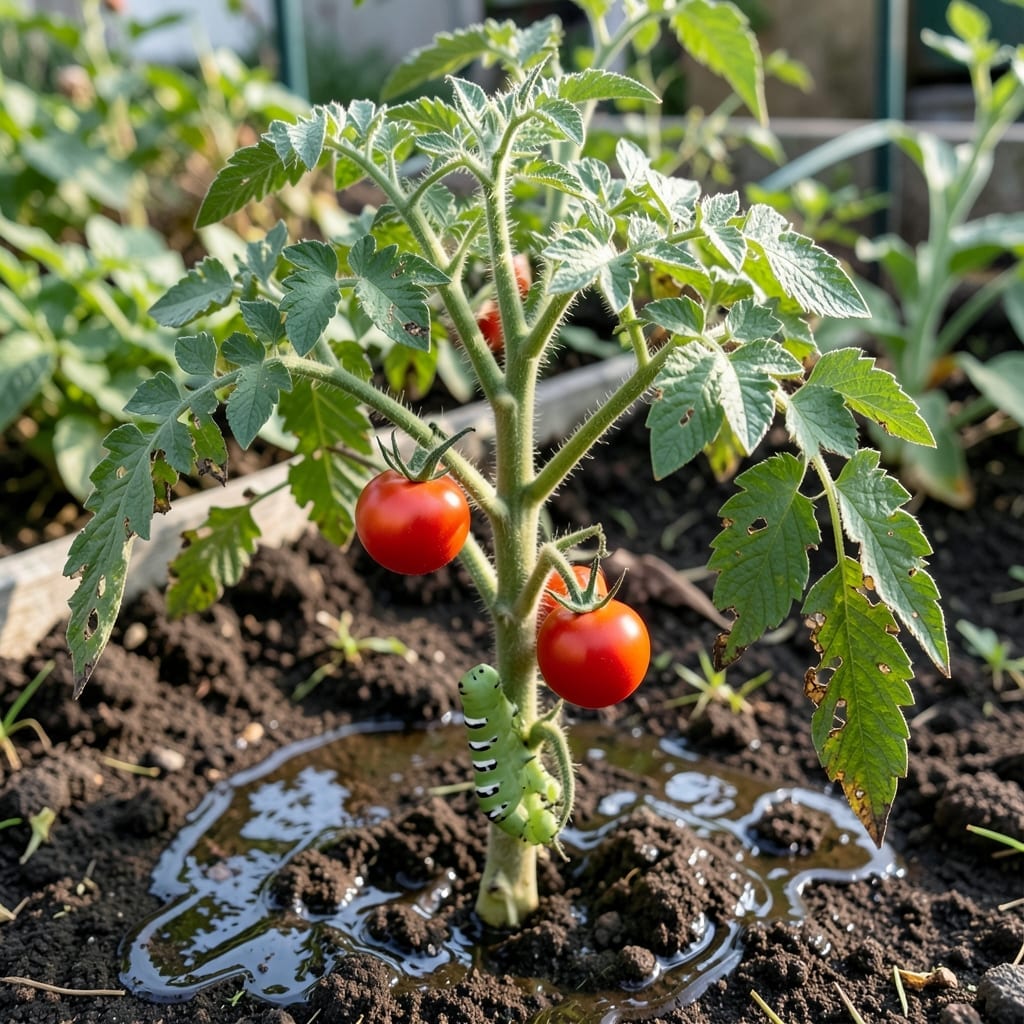
Waking up to chewed tomato leaves is the worst. I’ve lost entire plants overnight to unseen pests, and I’m sharing how to catch the culprits red-handed.
Slugs, hornworms, and earwigs are the usual suspects, each leaving distinct damage patterns. A flashlight and a late-night inspection will reveal who’s feasting on your garden.
Once identified, you can set up organic traps, apply natural deterrents, or use targeted treatments to stop the damage fast. No more mystery munching.
Prevention is simpler than you think—clean garden beds, proper mulching, and companion planting keep them from coming back.
Nighttime damage to your tomato plants is often the work of pests that thrive under cover of darkness. Here’s why they target your garden and how they operate:
Many pests, like slugs, snails, and earwigs, are naturally active at night to avoid daytime predators and heat. Slugs and snails rasp through leaves with their file-like radula, leaving irregular holes and slime trails. Earwigs chew jagged edges on leaves and flowers, often hiding in soil or mulch by day.
Overwatered soil or dense mulch creates a haven for moisture-loving pests. Cutworms (caterpillars of moths) sever young stems at ground level, while hornworms—though less common at night—can strip foliage if undetected. Decaying plant matter also lures pill bugs, which feed on soft, rotting leaves.
At night, beneficial predators like birds or ladybugs are inactive, giving pests free rein. Without intervention, populations of beetles (e.g., Colorado potato beetles) or loopers (inchworms) can explode, defoliating plants overnight. Even small mammals like rabbits or deer may raid gardens under darkness if other food is scarce.
Pro tip: Check for silvery slime (slugs), black frass (beetle droppings), or chewed stems to pinpoint the culprit.
Once you’ve identified the nighttime culprits munching on your tomato plants, it’s time to take action. Below are targeted solutions for the most common pests, along with prevention tips to keep them from returning.
Create a physical barrier around your plants using copper tape or crushed eggshells—these pests dislike crawling over sharp or metallic surfaces. For an immediate fix, set up beer traps (bury a shallow dish filled with beer at soil level; they’ll drown in it). Prevention tip: Water plants in the morning so the soil dries by night, making it less inviting for slugs.
Install hardware cloth or chicken wire around your garden bed, burying it at least 6 inches deep to block burrowing. For a quick deterrent, sprinkle peppermint oil or cayenne pepper around the plants. Prevention tip: Keep the garden free of debris and fallen fruit, which attract rodents.
Inspect plants daily at dawn or dusk and pluck off hornworms by hand (drop them in soapy water). Encourage beneficial insects like parasitic wasps by planting companion flowers like marigolds. Prevention tip: Rotate crops yearly to disrupt pest life cycles.
Spray plants with a mix of neem oil and water (follow label instructions) to smother mites. A strong blast of water can also dislodge them. Prevention tip: Avoid over-fertilizing with nitrogen, which attracts mites.
💡 Pro tip: Use yellow sticky traps near plants to monitor and catch flying pests like whiteflies or aphids before they multiply!
Look for slime trails (slugs), jagged leaf edges (earwigs), or severed stems (cutworms). A flashlight at night often reveals the culprits in action.
Beer traps are highly effective for slugs and snails but won’t deter insects or mammals. Use them alongside other methods for best results.
Handpick visible pests at dusk and create barriers like copper tape or hardware cloth. Remove debris to eliminate hiding spots immediately.
Yes! Planting marigolds, basil, or borage near tomatoes deters many pests naturally. This also attracts beneficial insects that prey on garden invaders.