
Beautiful Plants For Your Interior
Beautiful Plants For Your Interior
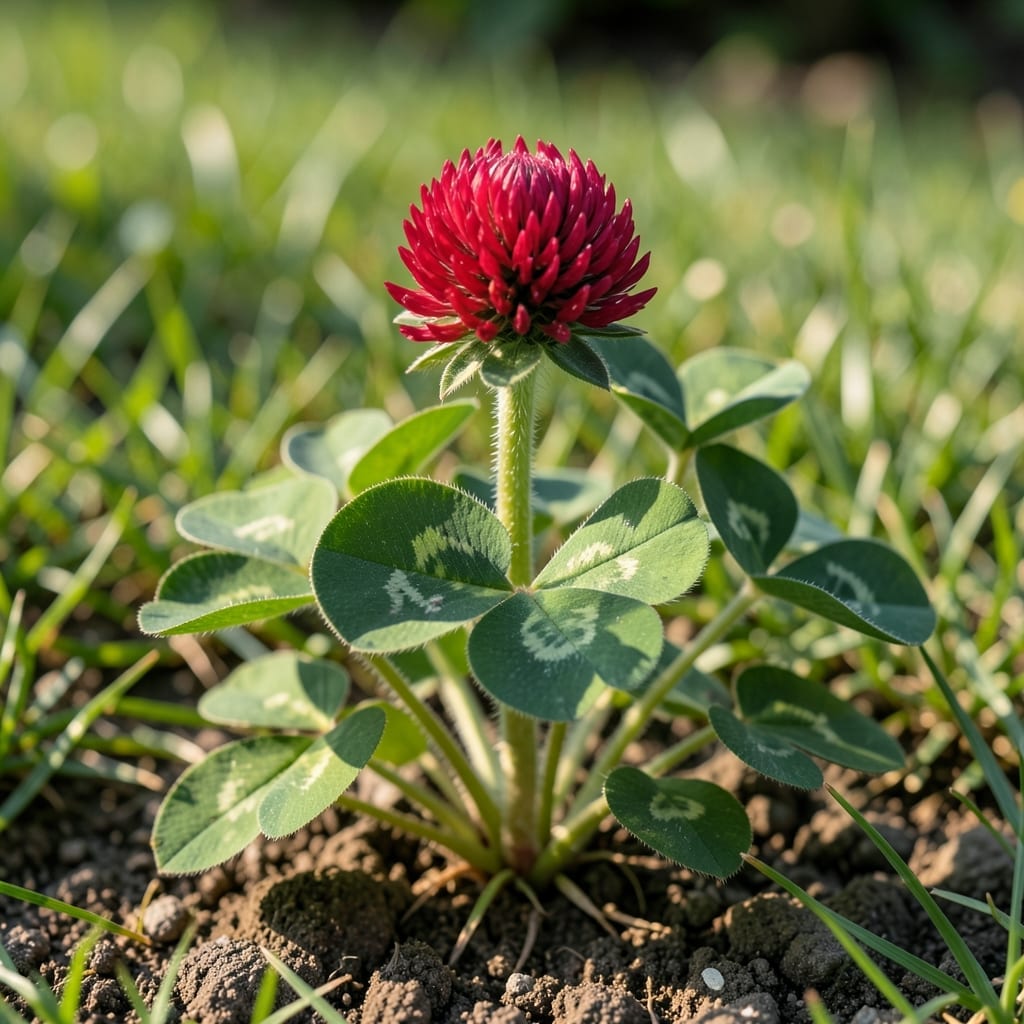
Crimson clover is primarily used as a cover crop to improve soil health, fix nitrogen, prevent erosion, and attract pollinators. It also serves as livestock forage and a green manure.
I’ve seen firsthand how this vibrant plant transforms gardens by naturally enriching the earth between growing seasons. 🔥 It thrives in cooler months, making it ideal for winter cover, and its deep roots break up compacted soil while pulling up valuable nutrients. Farmers also appreciate its ability to suppress weeds, reducing the need for chemical interventions.
💡 In This Article
This plant forms a symbiotic relationship with Rhizobium bacteria in its root nodules, enabling it to convert atmospheric nitrogen into a plant-usable form. Each acre can fix 100-150 pounds of nitrogen annually, reducing the need for synthetic fertilizers.
The process happens naturally as the bacteria colonize the roots, creating tiny nitrogen factories that enrich the soil as the plant grows. 🌟
Its extensive root system reaches depths of 6-12 inches, breaking up compacted soil and improving water infiltration. These roots also prevent erosion by holding soil particles together, especially effective on slopes. When the plant decomposes, its organic matter increases soil porosity by 20-30%, creating channels for air and water to penetrate more easily. ✨
Above ground, its bright red flowers provide nectar for bees and other pollinators from early spring through May-June. Studies show it can support 50+ beneficial insect species, including native bees and parasitic wasps that control garden pests. The dense foliage also creates a microhabitat for ground-dwelling beneficial insects like ladybugs and lacewings. 🔥
As a living mulch, it shades the soil surface, reducing evaporation by up to 40% and keeping soil temperatures 10-15°F cooler in summer. This moisture retention is particularly valuable during drought periods, while the shade suppresses weed germination by blocking light to 70-80% of potential weeds. ⚡
When used as green manure, its carbon-to-nitrogen ratio of 12:1 makes it ideal for quick decomposition. Tilling it into the soil at peak bloom (before seed set) releases nutrients within 2-3 weeks, providing immediate fertility for subsequent crops. The decomposition process also stimulates microbial activity, creating a more biologically active soil environment. 💫
You’ll see measurable nitrogen benefits within 4-6 weeks of growth. When tilled under at peak bloom, it releases nutrients in just 2-3 weeks of decomposition.
Yes, it pairs well with annual ryegrass or vetch for extended coverage. Avoid mixing with other legumes to prevent nitrogen competition.
Mow when it reaches 12-18 inches tall or just before flowering to maximize benefits. This timing prevents seeding while capturing peak nitrogen.
It primarily attracts pollinators and pest predators. Proper management (like timely mowing) minimizes any potential pest issues.