
Beautiful Plants For Your Interior
Beautiful Plants For Your Interior
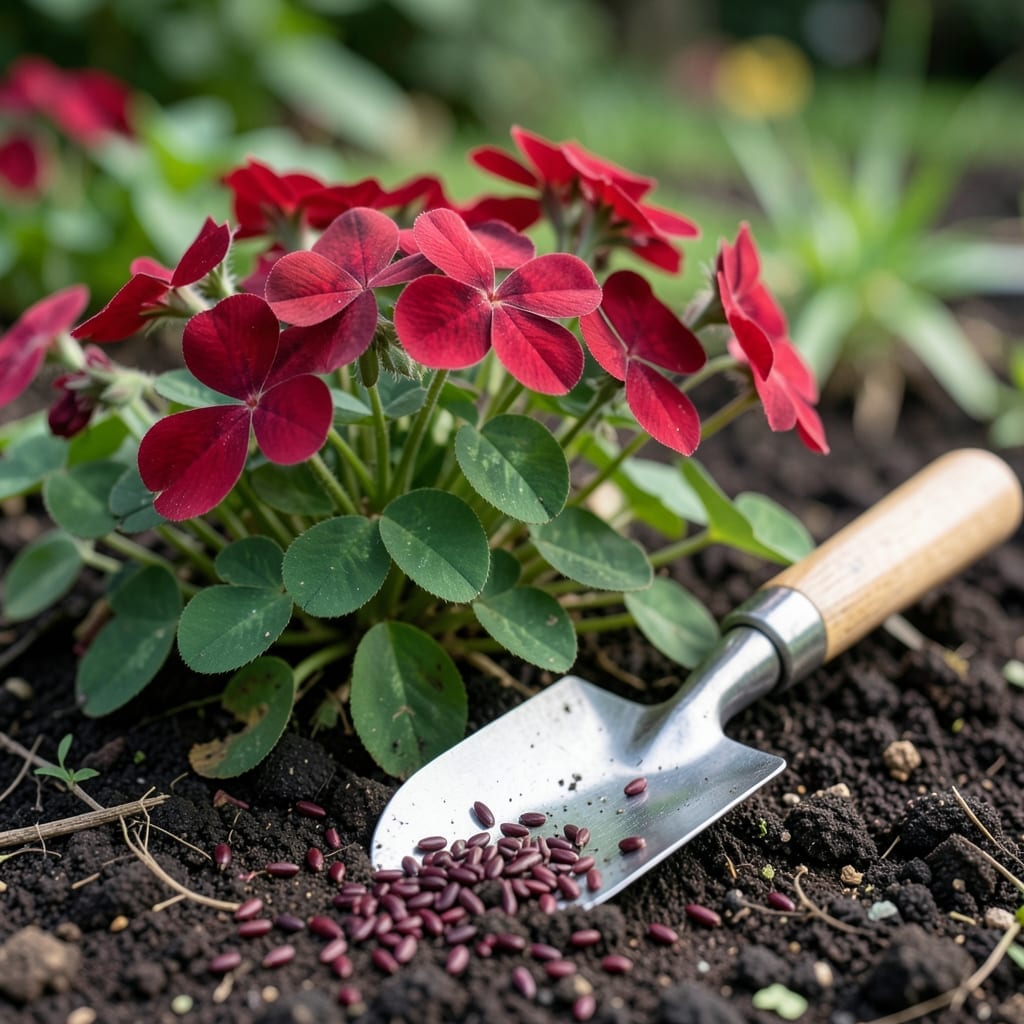
Timing is everything when planting Crimson Clover 🌿 in Tennessee. Plant too early or too late, and you risk poor germination or wasted seed.
Get the season right, and you’ll harvest a lush, nitrogen-rich green manure crop that boosts your soil for years. This isn’t just about picking dates—it’s about working with Tennessee’s climate.
I’ve tested the limits of planting windows in Zone 7a, and the difference between success and struggle often comes down to a few weeks. Whether you’re planting in spring or fall, timing is your most powerful tool.
Let me walk you through the ideal months and what to watch for to ensure your Crimson Clover thrives from the start.
Tennessee’s diverse climate means planting windows for crimson clover vary by region. In East Tennessee, with its cooler mountains, I aim for late August to early September for fall planting.
For Middle Tennessee, the sweet spot is mid-September to early October. In West Tennessee, with its warmer climate, I plant early to mid-October for best results.
| Region | Fall Planting Window | Spring Planting Window | Soil Temp |
|---|---|---|---|
| East TN | Late Aug – Early Sep | Mid Mar – Early Apr | 60-70°F |
| Middle TN | Mid Sep – Early Oct | Late Mar – Early Apr | 60-70°F |
| West TN | Early – Mid Oct | Early – Mid Apr | 65-75°F |
I always check soil temperature before planting. Crimson clover needs 60-70°F for germination, which aligns with these regional windows.
For spring planting, I adjust based on last frost dates. In East Tennessee, mid-March to early April works perfectly before the April 15 last frost.
Middle Tennessee gardeners should plant late March to early April. West Tennessee can push to early to mid-April thanks to its milder springs.
The fall window is my top recommendation. Planting 6-8 weeks before first frost gives clover time to establish before winter, creating a lush green manure crop by spring.
I’ve found August 15 to October 15 covers most of Tennessee. This timing ensures strong root development before cold weather hits, which is crucial for nitrogen fixation.
Remember, soil moisture is key during germination. I water lightly but consistently until plants are 2-3 inches tall, then scale back.
For spring planting, I start as soon as soil temps hit 60°F. This usually means March in East TN and April in West TN, with Middle TN falling in between.
No matter the season, I always inoculate seeds with the proper rhizobia bacteria. This boosts nitrogen fixation by up to 50%, making your clover even more beneficial for soil health.
I’ve found that fall planting gives crimson clover a head start in Tennessee’s mild winters. The seeds germinate in cool soil, establish roots, and overwinter as hardy plants ready to explode with growth in early spring.
This timing also means earlier blooming and better weed suppression compared to spring planting. The clover establishes a dense mat that chokes out weeds before they can take hold in your garden beds.
In my experience, fall-planted clover produces 30-50% more biomass than spring plantings. This translates to more nitrogen fixation—up to 120 lbs per acre—which is a game-changer for organic gardeners.
The ideal window is 6-8 weeks before the first frost, typically mid-August to early September in most of Tennessee. This gives plants enough time to establish before winter dormancy.
I always recommend inoculating seeds with rhizobia bacteria to boost nitrogen fixation. It’s a simple step that significantly improves the clover’s ability to enrich your soil.
For best results, plant when soil temperatures are between 60-70°F. This range ensures optimal germination and root development before winter sets in.
Fall planting also means less irrigation since cooler temperatures and seasonal rains do most of the work for you.