
Beautiful Plants For Your Interior
Beautiful Plants For Your Interior
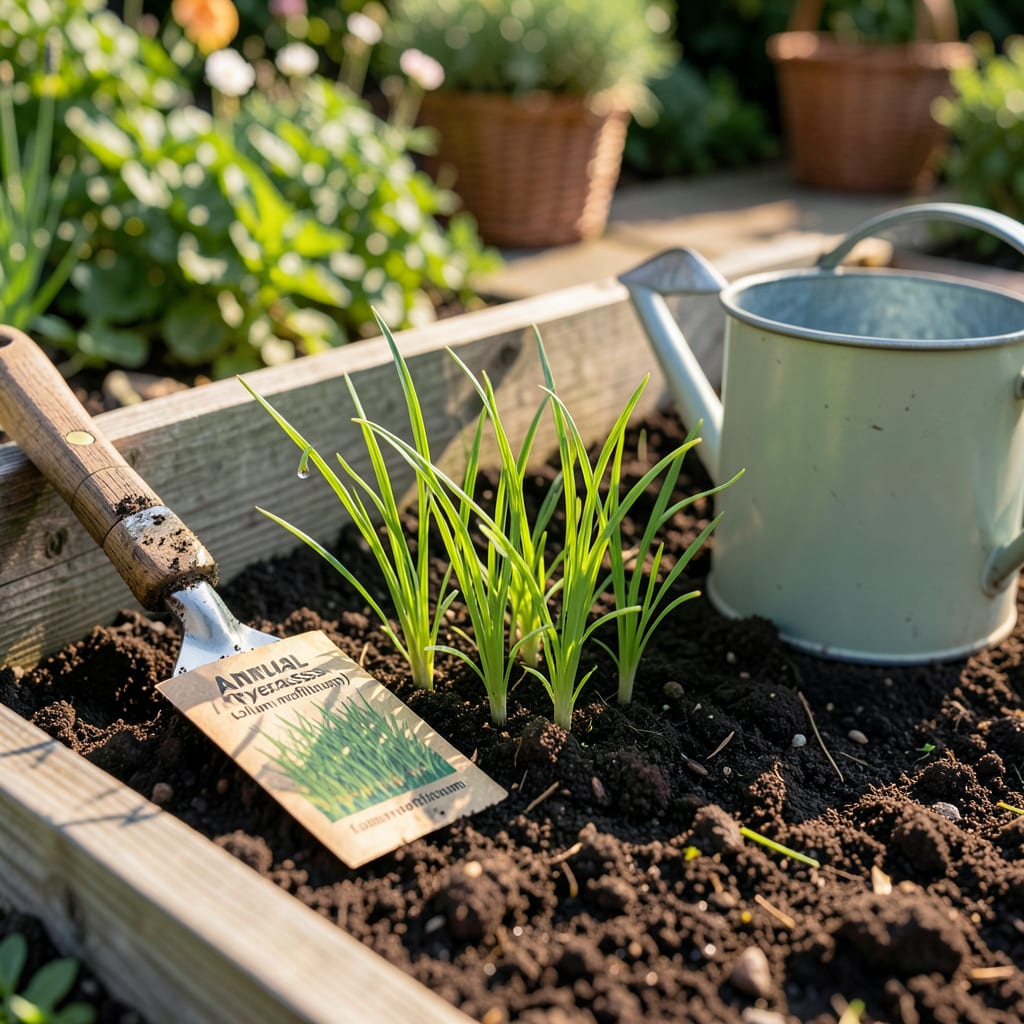
That patchy brown lawn staring back at you every winter doesn’t have to be your reality. In North Carolina, the secret to maintaining year-round green comes down to one critical timing decision with annual ryegrass—plant too early, and summer heat will wipe it out; plant too late, and frost will steal your chance.
After helping dozens of NC homeowners transform their winter lawns, I’ve pinpointed the exact fall window that works for our state’s diverse climates. Whether you’re in the mountains or along the coast, I’ll show you how to nail the timing for a lawn that stays vibrant when others turn brown.
Timing is everything when planting annual ryegrass in North Carolina. This cool-season grass thrives when sown in fall, but the exact window varies dramatically across our state’s three distinct regions. I’ve seen too many lawns struggle because gardeners planted too early or too late for their local climate.
The secret lies in soil temperature – you want it between 60-75°F at planting time. This ensures quick germination before winter sets in. North Carolina’s diverse geography means what works in Asheville won’t necessarily work in Wilmington. Let’s break down the perfect timing for your specific area.
| Region | Ideal Planting Window | Key Cities | Soil Temp Target |
|---|---|---|---|
| Mountains | Aug 15 – Sep 15 | Asheville, Boone | 60-65°F |
| Piedmont | Sep 1 – Oct 1 | Raleigh, Charlotte | 65-70°F |
| Coastal Plain | Sep 15 – Oct 15 | Wilmington, New Bern | 70-75°F |
💡 Pro Tip: Use a soil thermometer for accuracy – don’t guess!
In the Mountain region, our cooler temperatures mean you’ll want to plant earlier. I recommend aiming for late August in higher elevations like Boone, where frost can arrive as early as mid-October. The grass needs 4-6 weeks of growth before the first hard freeze.
The Piedmont region has more flexibility, but don’t push it past early October. Raleigh gardeners should watch the forecast – if we’re having an unusually warm fall, you might extend to mid-October. Remember, ryegrass germinates best when nighttime temps stay above 50°F.
Coastal areas enjoy the longest window, but don’t get complacent. Wilmington’s mild climate allows planting through mid-October, but you still need those seeds in the ground before soil temps drop below 60°F. The coastal humidity helps germination, but salt spray can be an issue near the beach.
For all regions, I recommend checking your local frost dates through the NC State Climate Office. A good rule of thumb is to plant 6-8 weeks before your average first frost. This gives the grass enough time to establish roots before winter dormancy.
Soil preparation matters just as much as timing. Test your soil pH – annual ryegrass prefers 6.0-7.0. In our acidic NC soils, you might need to add lime. I always recommend a light fertilizer application (10-10-10) at planting to give seeds a boost.
Watering is critical in those first two weeks. Keep the soil consistently moist but not soggy. I use a light straw mulch to retain moisture and protect seeds from birds. Once established, ryegrass needs about 1 inch of water per week through the winter.
Remember, annual ryegrass is temporary – it’ll die out when summer heat returns. That’s why timing your fall planting is so crucial. Get it right, and you’ll enjoy a lush green lawn while your neighbors’ bermuda turns brown!
For the most accurate local advice, contact your county Cooperative Extension office. They have soil testing services and region-specific recommendations that can make all the difference in your ryegrass success.
Even with perfect timing, your annual ryegrass can fail if you make these common mistakes. I’ve seen North Carolina lawns struggle year after year because of simple oversights that are easy to fix. Let’s dive into the five biggest pitfalls and how to avoid them.
First up is planting too early when summer heat still lingers. Ryegrass seeds won’t germinate well in soil warmer than 75°F. In Raleigh, I’ve watched early September plantings get fried by late summer heat waves. Wait until nighttime temps consistently drop below 65°F.
💡 Quick Fix: Use a seed starter fertilizer to boost early growth!
Improper seedbed preparation is another lawn killer. I can’t stress enough how important it is to loosen the top 2-3 inches of soil. In our clay-heavy Piedmont soils, compacted ground prevents roots from establishing. Use a core aerator if your lawn is particularly hard.
Getting the seeding rate wrong causes problems on both ends. Too little seed means patchy coverage and weed invasion. Too much creates competition, leading to weak plants prone to disease. For North Carolina lawns, I recommend 5-7 pounds per 1,000 square feet for overseeding existing turf.
Watering inconsistently during germination is where most NC gardeners fail. Those first 10-14 days are critical – the seedbed must stay moist. In our unpredictable fall weather, that might mean watering twice daily if we get unexpected dry spells. A light straw mulch helps retain moisture.
Finally, ignoring soil pH will sabotage your efforts. Our North Carolina soils tend to be acidic, but ryegrass prefers 6.0-7.0 pH. I always recommend testing your soil before planting. If needed, apply pelletized lime 2-3 weeks before seeding to give it time to work.
Remember, annual ryegrass is a temporary solution, but these mistakes make it disappear even faster. Take the time to do it right, and you’ll enjoy that green winter lawn while your neighbors wonder what they did wrong. When in doubt, your local NC Cooperative Extension office can provide soil testing and region-specific advice! 🌱
Choosing between annual ryegrass and perennial ryegrass can make or break your winter lawn in North Carolina. While both provide that coveted green carpet during colder months, their lifespans, maintenance needs, and costs differ dramatically. I’ve helped homeowners across our state pick the right variety for their specific goals.
The key difference lies in their lifespan – annual ryegrass dies with summer heat, while perennial ryegrass can survive multiple years in cooler NC regions. But there’s more to consider than just longevity. Let’s compare these two popular options to help you decide which fits your lawn best.
| Feature | Annual Ryegrass | Perennial Ryegrass |
|---|---|---|
| Lifespan | 1 season | 2-5 years (in cooler NC zones) |
| Cost | $0.50-$1.00/lb | $1.50-$3.00/lb |
| Cold Tolerance | Good (to 15°F) | Excellent (to 5°F) |
| Heat Tolerance | Poor (dies by summer) | Moderate (struggles in NC summers) |
| Best For | Temporary winter color | Permanent cool-season lawns |
💡 NC Tip: Perennial ryegrass struggles in our hot Piedmont summers!
Annual ryegrass shines as a temporary winter solution for North Carolina lawns. It germinates quickly (5-7 days) and establishes fast, making it perfect for overseeding warm-season grasses like bermuda. In our climate, it typically dies out by late May when temperatures consistently exceed 85°F.
Perennial ryegrass offers longer-term benefits but comes with challenges in our state. It handles NC winters beautifully but often struggles in summer, especially in the Piedmont and Coastal Plain. I’ve seen it thrive in the Mountains where summers are cooler, but it usually requires overseeding in lower elevations to maintain year-round coverage.
For most North Carolina homeowners, I recommend annual ryegrass for winter color. It’s more cost-effective and better suited to our climate’s extremes. However, if you’re in the Mountains or willing to overseed annually, perennial ryegrass can provide a more permanent solution with its finer texture and darker green color.
Remember that both types need similar planting conditions – well-prepared soil, adequate moisture, and proper timing. The choice ultimately depends on your lawn goals and maintenance commitment. When in doubt, start with annual ryegrass to test how it performs in your specific microclimate before investing in perennial varieties. 🌿
Early morning is ideal for planting in North Carolina. This gives seeds maximum daytime warmth to begin germination while avoiding midday heat stress. Evening planting works too, but morning allows seeds to absorb dew moisture overnight.
Under ideal conditions (60-75°F soil), annual ryegrass typically germinates in 5-7 days. In cooler mountain areas, it may take up to 10 days. Consistent moisture is key during this period.
Yes! Many NC homeowners mix annual ryegrass with perennial ryegrass or tall fescue for extended winter coverage. Use a 70/30 ratio (ryegrass to other) for best results. This combination provides quick green-up plus longer-term benefits.
If you plant 1-2 weeks late, increase seeding rate by 25% and water more frequently. Beyond that, consider sodding for instant results. Late plantings may not establish fully before winter dormancy.
Test soil temperature with a thermometer—it should read 60-75°F at 2-inch depth. Also check moisture: soil should crumble when squeezed, not form a muddy ball. NC’s clay soils often need amendment before planting.
