
Beautiful Plants For Your Interior
Beautiful Plants For Your Interior
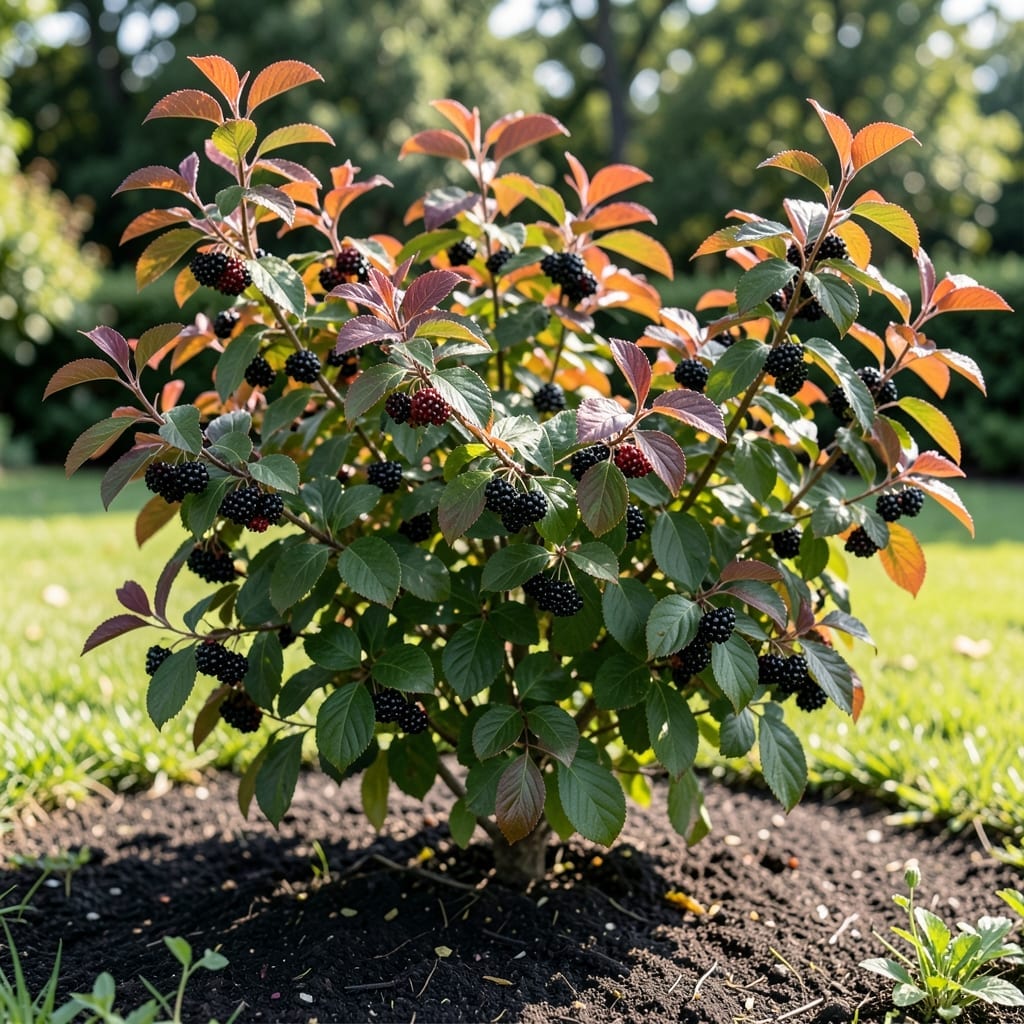
Chokeberry is a deciduous shrub producing small, tart berries packed with antioxidants, commonly used in jams, juices, and supplements for immune and heart health benefits.
I’ve found these berries particularly interesting because their deep purple hue comes from anthocyanins, powerful compounds that give them their reputation as a superfood. They thrive in cool climates and are often foraged in the wild, though many gardeners now cultivate them for their ornamental value too. What stands out most is their versatility in both culinary and medicinal applications. ✨
💡 In This Article
The deep purple-black color of chokeberries signals their dense concentration of anthocyanins—up to 1,480 mg per 100g of fresh fruit. These antioxidants work by neutralizing free radicals, which reduces oxidative stress linked to chronic diseases. The berries also pack 26 mg of vitamin C per 100g, outpacing oranges in immune support.
Research shows chokeberry extract can improve blood lipid profiles by lowering LDL cholesterol by 12-15% in 8-12 weeks. The anti-inflammatory effects stem from polyphenols that inhibit pro-inflammatory enzymes like COX-2. This makes them particularly valuable for cardiovascular health, as studies link regular consumption to improved endothelial function.
What sets chokeberry apart is its ORAC value of 16,062 per 100g, one of the highest among common fruits. This oxygen radical absorbance capacity measures how effectively the antioxidants can neutralize free radicals. The synergy between anthocyanins, proanthocyanidins, and quercetin creates a multi-layered defense against cellular damage. ✨
Practical applications go beyond supplements. The astringent taste softens when cooked, making chokeberries ideal for syrups that retain 80-90% of their antioxidants. Clinical trials suggest 250-500 mg of chokeberry extract daily may reduce blood pressure in hypertensive individuals by 5-7 mmHg over 6-8 weeks.
For gardeners, this translates to growing a living pharmacy. A single mature shrub yields 10-15 lbs of berries annually, providing enough for fresh consumption and preservation. The berries’ tartness comes from their 1.2-1.5% titratable acidity, balanced by 10-12% natural sugars when fully ripe. 🔥
Chokeberries have a very tart, astringent flavor, much sharper than blueberries or raspberries. Their taste is often compared to cranberries but more intense. When cooked with sugar, they develop a rich, complex flavor perfect for jams and syrups.
While not toxic, fresh chokeberries are extremely astringent and bitter due to their high tannin content. Most people find them inedible raw. They’re best enjoyed cooked or processed into juices, jams, or teas where their flavor can be balanced.
Chokeberry shrubs typically begin producing berries in their 3rd year after planting. Full production is reached by year 5-6, with a mature shrub yielding 10-15 lbs annually. Regular pruning helps maintain consistent fruiting.
Yes, there are three main types: black chokeberry, red chokeberry, and purple chokeberry. Black chokeberry (Aronia melanocarpa) is most common for culinary use. Red chokeberry produces bright red berries but has similar health benefits.