
Beautiful Plants For Your Interior
Beautiful Plants For Your Interior
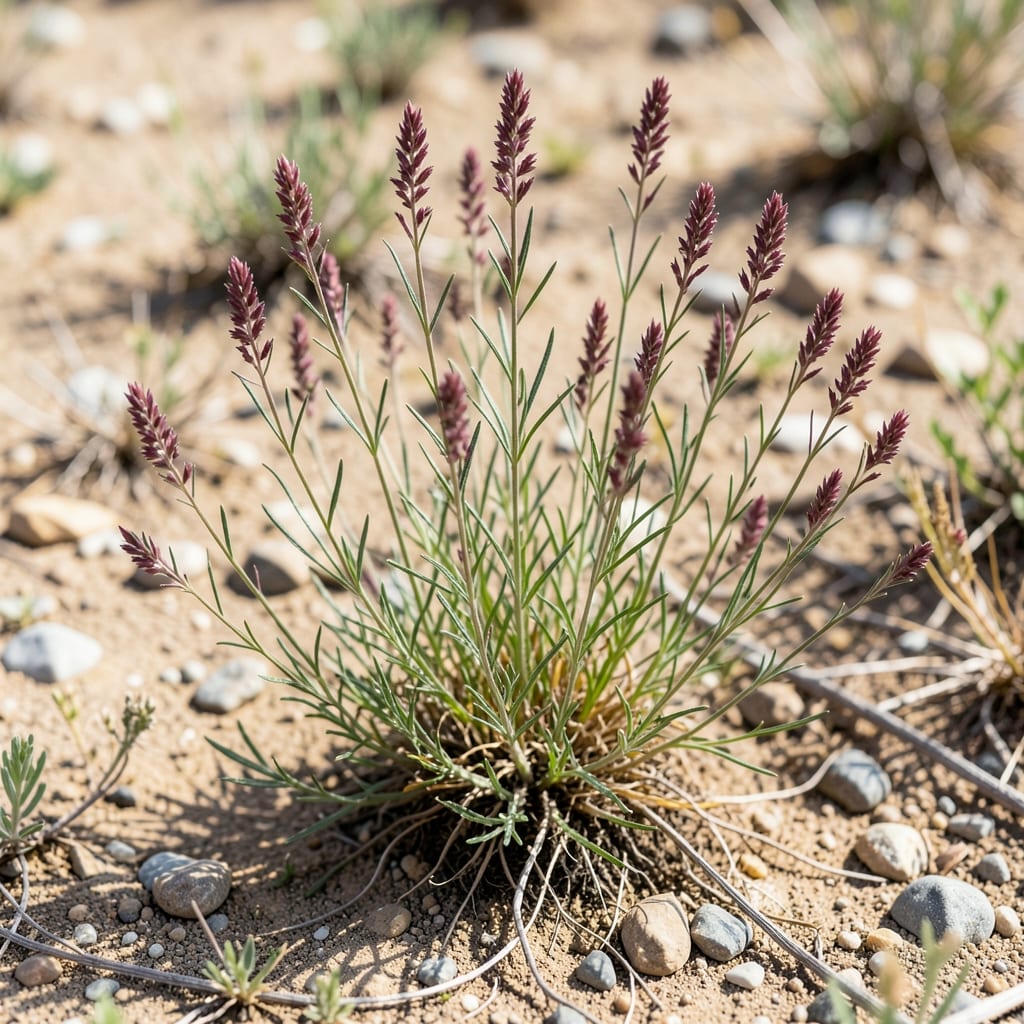
Cheatgrass is an invasive annual grass with fine, bristly seed heads that spreads rapidly, outcompeting native plants and increasing wildfire risks in arid ecosystems.
I’ve seen firsthand how this aggressive plant can transform a landscape in just one season. Its ability to germinate early and mature quickly gives it a major advantage over slower-growing native species. 🔥 What’s more concerning is its role in fueling more frequent and intense wildfires, which then create perfect conditions for even more cheatgrass to take over.
💡 In This Article
Cheatgrass thrives due to its remarkably short life cycle, completing its growth from seed to seed in just 6-8 weeks. This rapid development allows it to germinate in fall or early spring, outpacing slower-growing native plants.
Its seeds can lie dormant for 5-7 years in the soil, waiting for moisture and temperature cues to trigger growth. 🌱
The plant spreads primarily through wind dispersal, with each mature stalk producing up to 5,000 seeds that can travel 100 feet or more. These seeds have sharp awns that help them cling to animal fur and human clothing, expanding their reach.
The grass also benefits from disturbed soils, making it a common invader along roadsides and overgrazed pastures.
Cheatgrass gains a competitive edge through allelopathy, releasing chemicals that inhibit the growth of neighboring plants. This chemical warfare, combined with its early germination, allows it to monopolize water and nutrients before native species can establish. The result is a dense monoculture that shades out and starves other vegetation.
Its fine fuels create a continuous bed of dry material that ignites easily. This increases wildfire frequency in ecosystems that historically experienced fires only every 60-110 years. After a fire, cheatgrass often returns first, creating a feedback loop that makes future fires more likely and intense. ⚡
In the Great Basin region, cheatgrass has expanded from covering 1% of the area in 1900 to over 20% today. This dramatic shift has transformed sagebrush steppe into annual grassland, reducing biodiversity and altering wildlife habitats. The plant’s shallow roots also make it poor at preventing soil erosion.
Look for fine, bristly seed heads forming by late spring, with small green patches appearing earlier than native plants. Its reddish-brown color in late summer is another telltale sign.
It outcompetes native plants by monopolizing water and nutrients, and increases wildfire frequency. Its shallow roots also fail to prevent soil erosion effectively.
No, never compost cheatgrass. Its seeds can survive composting and spread when you use the compost. Always bag and dispose of it with household trash.
Cheatgrass seeds can lie dormant and remain viable for 5-7 years in the soil. This makes complete eradication challenging without persistent effort.