
Beautiful Plants For Your Interior
Beautiful Plants For Your Interior
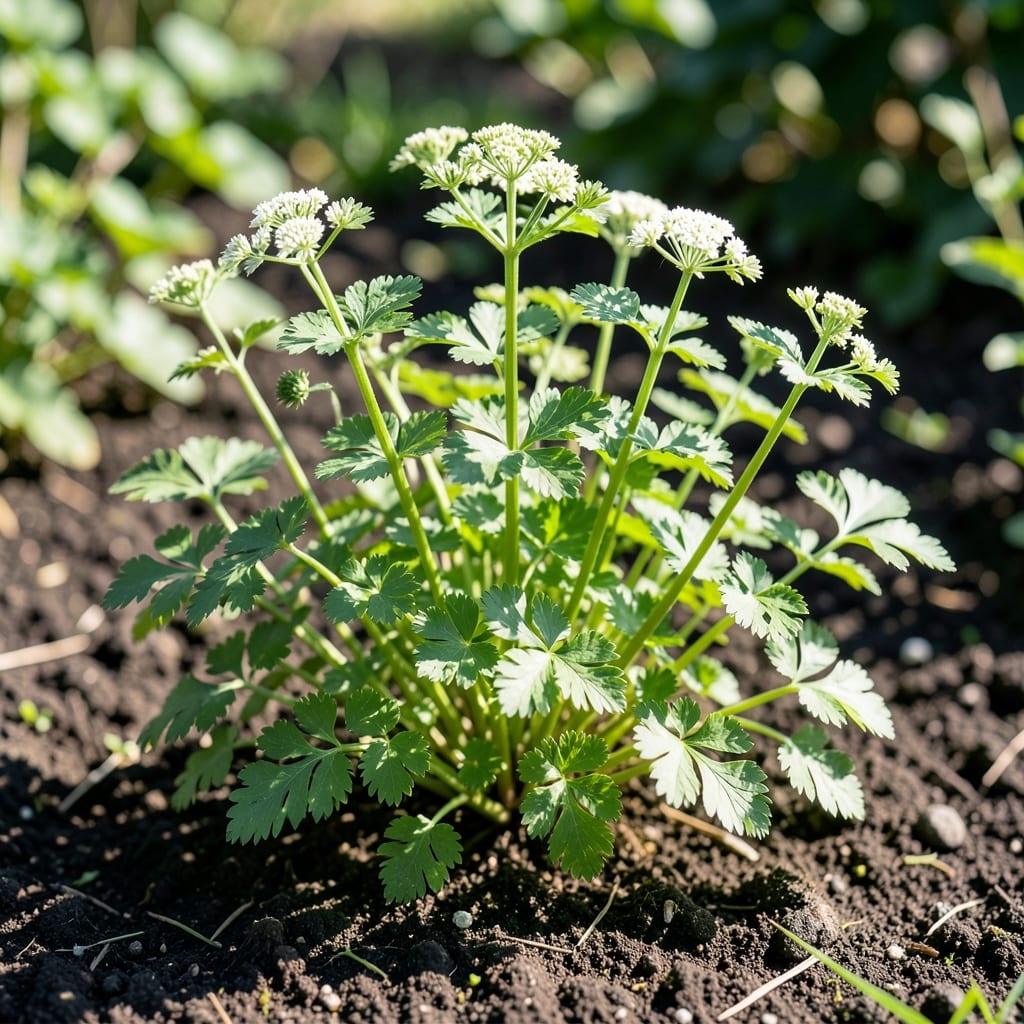
Cilantro is a leafy annual herb from the parsley family, known for its bright, citrusy flavor used in Mexican, Asian, and Middle Eastern cuisines. Its seeds are called coriander.
I’ve grown this herb in my own garden and can tell you it thrives in cooler weather, bolting quickly in hot conditions. What fascinates me most is how the same plant produces two distinct culinary ingredients—cilantro leaves and coriander seeds—each with unique flavor profiles. 💫
💡 In This Article
Cilantro belongs to the Apiaceae family, sharing ancestry with parsley, carrots, and dill. The plant grows 12-24 inches tall with delicate, fern-like leaves that emerge in clusters. Unlike flat-leaf parsley, cilantro’s leaves are more finely divided, creating a lacy appearance that’s instantly recognizable in herb gardens. 🌟
Its lifecycle is notably fast—maturing from seed to harvest in just 50-60 days. The plant produces small white or pink flowers that eventually form the round, ridged seeds we call coriander. This dual-purpose nature makes it unique among culinary herbs, offering both leafy greens and spice from a single planting.
The stems are slender and slightly hairy, with a distinctive smell when crushed. What many don’t realize is that cilantro contains aldehydes—organic compounds that give it that bright, citrusy aroma. These same compounds are why some people perceive a soapy taste, due to a genetic variation in olfactory receptors. ⚡
Compared to parsley, cilantro has a more pungent aroma and thinner stems. The leaves appear similar at first glance, but cilantro’s are more deeply lobed. The plant also bolts (goes to seed) much faster than parsley, especially in warm weather, which is why gardeners often succession plant it every 3-4 weeks. ✨
In ideal conditions, cilantro develops a deep taproot system that helps it withstand brief dry periods. The upper leaves are typically 2-3 inches long, while lower leaves can reach 4-6 inches. This growth pattern creates that classic bushy appearance that makes it a favorite in both culinary and ornamental gardens.
About 4-12% of people have a genetic variation that makes them perceive its aldehydes as soapy. This is completely normal and not dangerous.
Yes! Place pots in a sunny windowsill getting at least 4-6 hours of light daily. Use well-draining soil and rotate pots weekly for even growth.
Trim stems and place in a jar with 1 inch of water. Cover loosely with a plastic bag and refrigerate for up to 1 week. Change water every 2 days.
Toast whole coriander seeds in a dry pan for 1-2 minutes to enhance flavor before grinding. Use in curries, marinades, or pickling spice blends.