
Beautiful Plants For Your Interior
Beautiful Plants For Your Interior
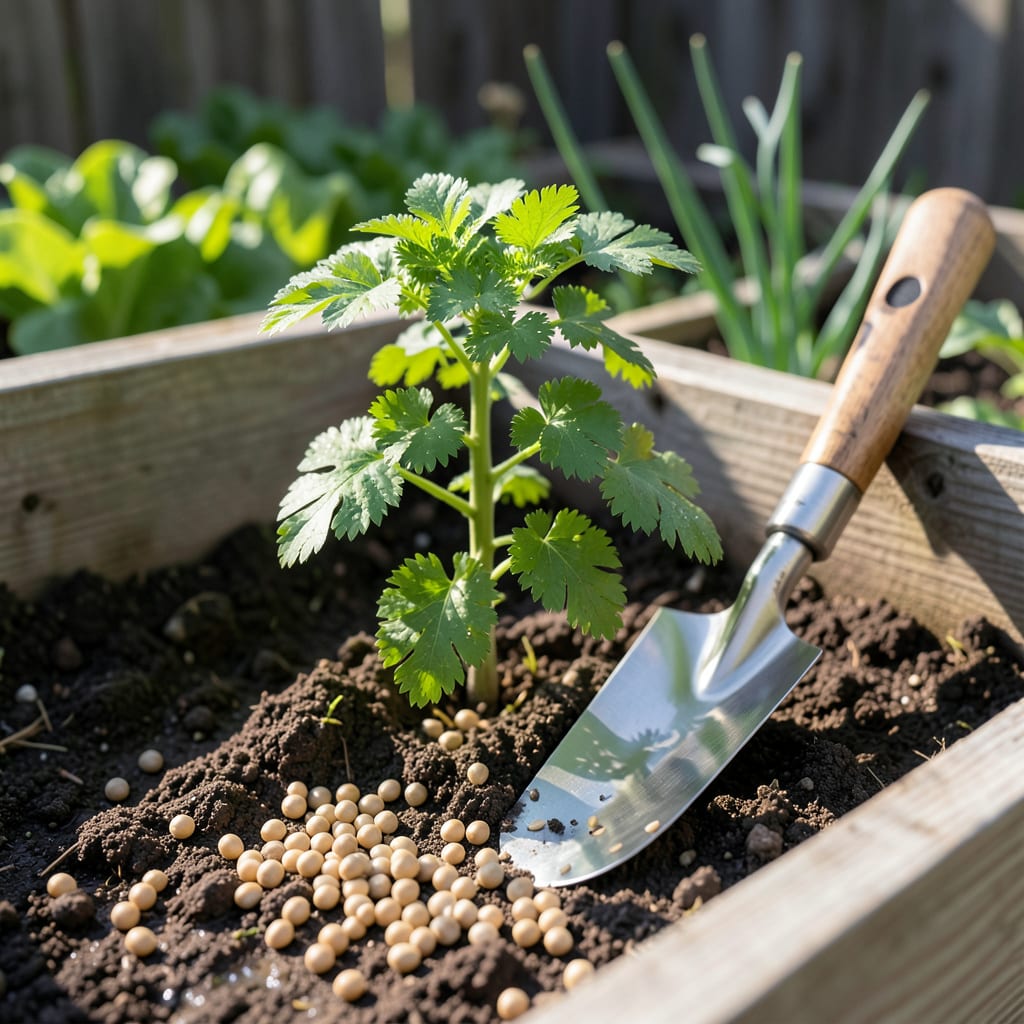
Ever had your 🌿 cilantro bolt before you could even harvest it? Florida’s heat turns this cool-weather herb into a race against time—but what if I told you there’s a way to grow it almost year-round?
The trick isn’t luck; it’s timing. By working with Florida’s unique zones (not against them), you can plant cilantro when it thrives, not struggles. I’ll show you exactly when to start—and how to keep those fresh leaves coming, even as temperatures climb.
If you’ve ever tried growing cilantro in Florida, you know the struggle—this cool-weather herb bolts faster than a tourist fleeing July humidity. But here’s the good news: Florida’s three distinct climate zones mean you can grow cilantro almost year-round if you time it right. The key? Planting windows that dodge the worst heat spikes.
Up north near Tallahassee, you’ll follow a schedule closer to Georgia’s, while Miami gardeners can plant nearly all winter. Central Florida? You’re the Goldilocks zone—not too hot, not too cold, but timing still matters. Let’s break it down by region so you can harvest fresh cilantro without watching it flower overnight.
| Region | Ideal Planting Months | Last Planting Date | Harvest Window | Notes | |
|---|---|---|---|---|---|
| North Florida (Zones 8a-9a) |
Oct–Feb | Early March | Nov–April | Avoid late March plantings—heat arrives fast! Use row covers for frost protection in Jan–Feb. | |
| Central Florida (Zones 9b-10a) |
Sept–Jan | Mid-Feb | Oct–May | Succession plant every 3 weeks for continuous harvest. Shade cloth helps extend spring growth. | |
| South Florida (Zones 10b-11a) |
Oct–March | Late March | Year-round | With partial shade and consistent moisture. Avoid summer plantings—bolting is inevitable! |
Pro Tip: In South Florida, try ‘Calypso’ or ‘Santo’ varieties—they’re slightly more bolt-resistant in warmth.
Notice how South Florida gets a year-round asterisk? That’s because our mild winters and lack of frost let cilantro thrive—if you’re strategic. The trick is partial shade (think morning sun + afternoon dappled light) and even moisture. Let the soil dry out, and cilantro will bolt faster than you can say “salsa.”
In North Florida, your biggest enemy isn’t just heat—it’s unpredictable frost. A light freeze (30–32°F) won’t kill cilantro, but it’ll stunt growth. I recommend planting in October for a Thanksgiving harvest, then again in late February for a spring flush before the April heatwave hits.
Central Florida is where things get interesting. You’ve got more flexibility than the north but more heat pressure than the south. My go-to strategy? Staggered plantings every 3–4 weeks from September to January. This ensures you’re always harvesting while dodging the bolt bullet. And yes, shade cloth is your best friend here—30% shade extends harvests by weeks.
No matter where you are, soil temperature is your secret weapon. Cilantro seeds germinate best when soil is 55–70°F. In Florida, that often means waiting until October even if you’re itching to plant in September. Use a soil thermometer (or stick your finger in the dirt—if it feels cool to the touch, you’re good).
One last Florida-specific tip: our sandy soil drains fast, which is great for avoiding root rot but terrible for moisture-loving cilantro. Mix in compost or coconut coir to retain water without waterlogging. And if you’re in a coastal area, watch for salt spray—cilantro hates salty soil, so rinse leaves after storms.
Still worried about bolting? Try container gardening. Moving pots to shadier spots as temperatures climb buys you extra weeks. Just ensure pots have drainage holes—soggy roots are a one-way ticket to fungal disasters in our humid climate.
Remember, cilantro is a short-lived herb (even in perfect conditions). Plan for 3–4 harvests per plant, then replant. In Florida, that means keeping seeds on hand year-round. I stash mine in the fridge to boost germination rates—our humidity can make seeds go dormant if stored in a shed.
Florida’s scorching summers turn cilantro into a flower factory overnight—but don’t rip out your plants just yet. With a few heat-beating strategies, you can stretch your harvest by weeks (or even months). The secret? Mimicking cooler conditions in a state where “cool” is relative.
First, let’s talk shade—your cilantro’s sunscreen. In South Florida, morning sun plus afternoon shade is non-negotiable. I use 30% shade cloth or plant under taller veggies like tomatoes. Even a beach umbrella (yes, really) can buy you extra time if you’re container gardening.
Plant new seeds every 3 weeks from October to January. This ensures you’re always harvesting young leaves while older plants bolt. In Central Florida, I aim for 5 plantings per season.
Swap generic mulch for palm fronds or pine straw. They retain moisture while letting air circulate—critical in our humid climate. Aim for 2–3 inches around plants (keep it 1 inch away from stems).
Deep watering (1 inch/week) before 9 AM prevents evaporation. Use drip irrigation to avoid wetting leaves—fungal diseases love our humidity. In sandy soil, water every 2–3 days; clay? Stretch to 4–5 days.
Ditch generic seeds! ‘Calypso’ and ‘Santo’ are slow-bolting varieties bred for warmth. In South Florida, they last 2–3 weeks longer than standard cilantro. Pro tip: Soak seeds overnight to speed germination in heat.
Grow in 5-gallon pots with drainage holes. Move them to shadier spots as temps climb. I use rolling plant caddies to chase the shade. Bonus: Containers deter snails, a Florida cilantro killer.
Here’s a Florida hack most gardeners miss: harvest aggressively. Snip outer leaves when they hit 4–6 inches, leaving the center to grow. This delays bolting by reducing stress. And if flowers appear? Pinch them off—it’s not too late to salvage leaves for a final harvest.
Ever tried interplanting cilantro with taller crops? I tuck it under pepper plants or trellised cucumbers. The shade from their leaves creates a microclimate that’s 5–10°F cooler. Just watch for competition—cilantro hates crowded roots.
Don’t overlook soil temps. Cilantro seeds won’t germinate above 85°F. In summer, pre-chill seeds in the fridge for 48 hours before planting, or sow them 1/2 inch deeper to access cooler soil. I’ve had luck with September plantings in Central Florida using this trick.
Finally, embrace the bolt—but on your terms. Let one plant flower to attract beneficial insects (like parasitic wasps that control pests), then collect seeds for next season. Cilantro seeds = coriander, so you get two spices for one! Just don’t let all your plants bolt at once.
Remember, even with these tricks, Florida cilantro is a short-term relationship. Plan for 3–4 harvests per plant, then replant. Keep seeds in the fridge to boost viability—our humidity can kill their germinating power in months.
🌿Let’s face it—Florida’s heat turns cilantro into a ticking time bomb. No matter how perfectly you time your plantings, bolting is inevitable once temperatures climb. But what if I told you there are heat-loving alternatives that taste similar and thrive where cilantro struggles?
From Vietnamese coriander to dill, these substitutes offer longer harvests, less fuss, and even unique flavors to mix up your garden. Below, I’ve compared the top cilantro stand-ins for Florida gardeners—ranked by ease of growth, heat tolerance, and flavor similarity.
| Plant | Heat Tolerance | Flavor Profile | Ease of Growth | Best For |
|---|---|---|---|---|
| Vietnamese Coriander 🌿 | 9/10 | Lemon-cilantro (brighter, citrusy) | Easy | Thrives in humidity; perennial in Florida. Loves partial shade. |
| Papalo 🌱 | 10/10 | Skunky cilantro (polarizing but authentic) | Very Easy | Drought-tolerant; no bolting. Popular in Mexican cuisine. |
| Dill 🌿 | 8/10 | Grassy, slightly sweet | Moderate | Grows well in cool Florida winters. Attracts beneficial insects. |
| Parsley (Flat-Leaf) 🌱 | 7/10 | Mild, fresh | Easy | Biennial; lasts 2 seasons. Less heat-sensitive than cilantro. |
| Culantro 🌿 | 9/10 | Intense cilantro (stronger, soapier) | Moderate | Loves shade and moisture. Popular in Caribbean dishes. |
Pro Tip: Papalo and Vietnamese coriander are your best bets for year-round growth in Florida. Both laugh at heat and humidity!
If you’re married to cilantro’s flavor, I get it—nothing quite replaces it. But Vietnamese coriander (also called rau răm) comes shockingly close with a citrusy kick. It’s a perennial in Florida, meaning one planting can last years if protected from frost. Plus, it loves wet feet—perfect for our rainy summers.
Papalo is the unsung hero of Florida herbs. This Mexican staple never bolts, thrives in full sun, and tastes like cilantro on steroids (some say it’s an acquired taste). It’s drought-tolerant once established, making it ideal for sandy soil. Just snip leaves as needed—the more you harvest, the bushier it grows.
For a milder substitute, flat-leaf parsley is your best friend. It won’t fool anyone into thinking it’s cilantro, but it’s heat-tolerant, slow to bolt, and pairs well with Florida-friendly dishes like chimichurri or tabbouleh. Bonus: It’s a biennial, so you’ll get two years of harvests from one plant.
Want to experiment? Try culantro (not to be confused with cilantro). Its long, serrated leaves pack a punchy cilantro flavor that’s beloved in Caribbean cooking. It adores shade and moisture, making it perfect for South Florida’s rainy season. Just be warned—its flavor is much stronger than cilantro, so use sparingly!
🌿It’s extremely difficult due to the heat. Cilantro bolts quickly when temperatures exceed 85°F. Instead, try planting in fall through early spring or opt for heat-resistant alternatives like Vietnamese coriander.
Water every 3-5 days, providing about 1 inch per week (including rainfall). In sandy soil, increase frequency to every 2-3 days. Always water in the morning to prevent fungal diseases.
This is called bolting, triggered by heat stress. In Florida, it happens fast when temperatures rise. To delay it, plant in partial shade, use shade cloth, and harvest leaves regularly to reduce stress.
‘Calypso’ and ‘Santo’ are your best bets. These slow-bolting varieties handle warmth better than standard types. For even more heat tolerance, try Vietnamese coriander or papalo as alternatives.
Yes! Place pots near an east-facing window for morning sun and afternoon shade. Use well-draining soil and keep temperatures below 80°F. Indoor cilantro still bolts eventually but lasts longer than outdoor summer plantings.
