
Beautiful Plants For Your Interior
Beautiful Plants For Your Interior
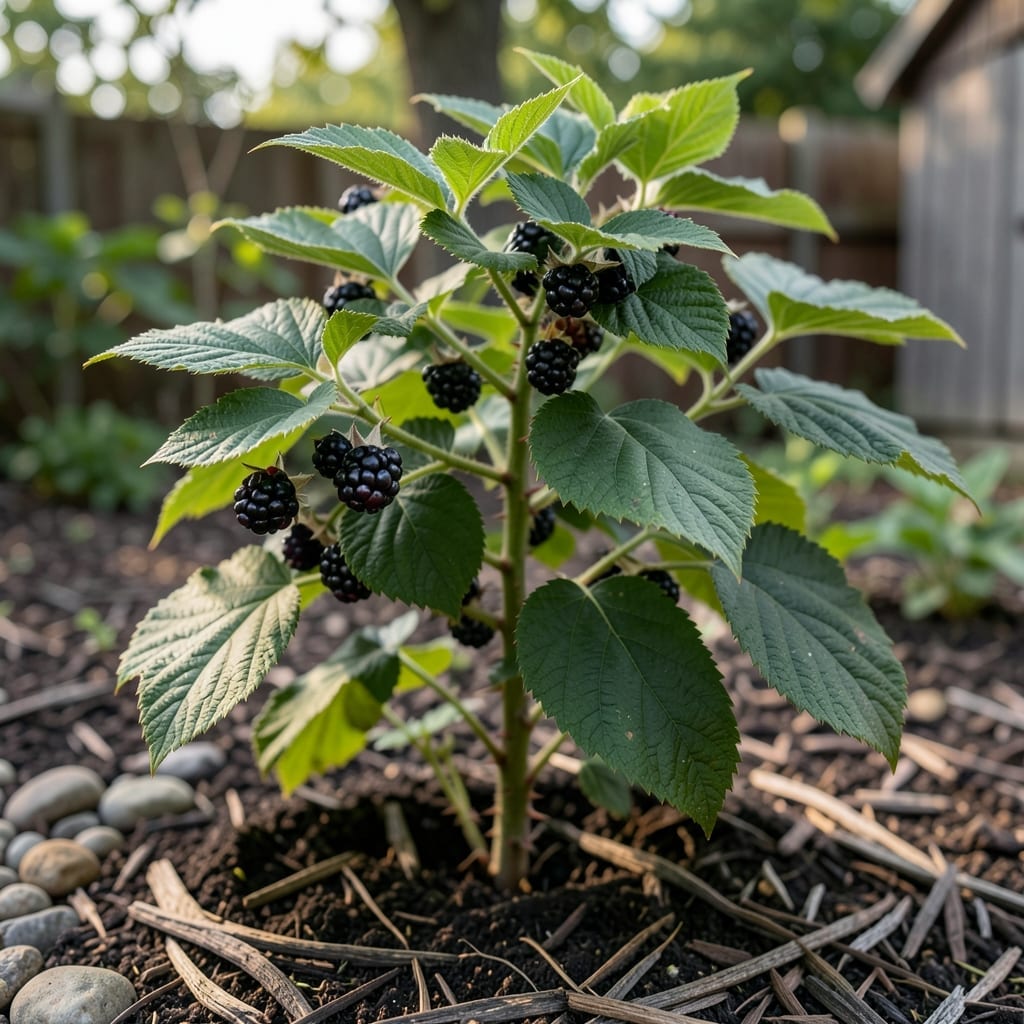
Boysenberry is a large, juicy hybrid berry combining raspberry, blackberry, and loganberry traits, known for its deep purple color and tart-sweet flavor.
I love how this berry brings together the best of its parent fruits, creating a unique taste that’s both bold and refreshing. 🔥 Its plump, glossy appearance makes it a standout in any garden or market, and the flavor balance is perfect for jams, pies, or fresh eating. What really sets it apart is the complexity—hints of raspberry brightness with blackberry depth.
💡 In This Article
The boysenberry’s creation traces back to the late 1800s in California, where horticulturist Rudolph Boysen experimented with crossing raspberries, blackberries, and loganberries. His work built on earlier European hybrid attempts, but his specific combination produced a larger, more flavorful berry.
The plant nearly disappeared until Walter Knott revived and commercialized it in 1932, turning it into a household name. 🔥
What makes this hybrid unique is its genetic makeup: 25% raspberry, 25% loganberry, and 50% blackberry. This precise ratio creates its signature deep purple hue and complex flavor profile. The berries grow on thorny canes that can reach 6-8 feet tall, producing fruit in clusters similar to blackberries but with a smoother texture.
Unlike its parent berries, boysenberries have a longer harvesting window. They typically ripen over 4-6 weeks in early summer, with peak flavor developing when the berries turn fully purple-black. The plants thrive in USDA zones 5-9, preferring the mild climates where they were first cultivated.
This adaptability helped them spread from California to home gardens nationwide. ✨
Botanically classified as Rubus ursinus × idaeus, the boysenberry inherits the best traits from each parent. From raspberries, it gets its bright acidity; from blackberries, its juicy plumpness; and from loganberries, its extended growing season. This genetic cocktail creates a berry that’s 30-50% larger than standard blackberries, with a more intense flavor concentration. 💫
The plant’s vigorous growth habit means it can produce 10-20 pounds of fruit per mature cane annually. This productivity, combined with its disease resistance, made it a favorite among commercial growers. Today, most boysenberries are still grown in California’s Central Valley, where the original hybrids were first perfected. 🌟
It’s larger, darker, and has a more complex tart-sweet flavor. While blackberries are solid when picked, these come off the vine as a hollow cluster.
Yes! It thrives in USDA zones 5-9 with 6-8 hours of sun. Plant canes 3-4 feet apart in well-draining soil with a pH of 5.5-6.5.
Pick when fully purple-black and they pull easily from the plant. This usually happens in early summer over a 4-6 week window.
It’s famous for pies and jams, but also shines in syrups, smoothies, or fresh eating. Its bold flavor holds up well in baked goods.